
Last updated October 30, 2026
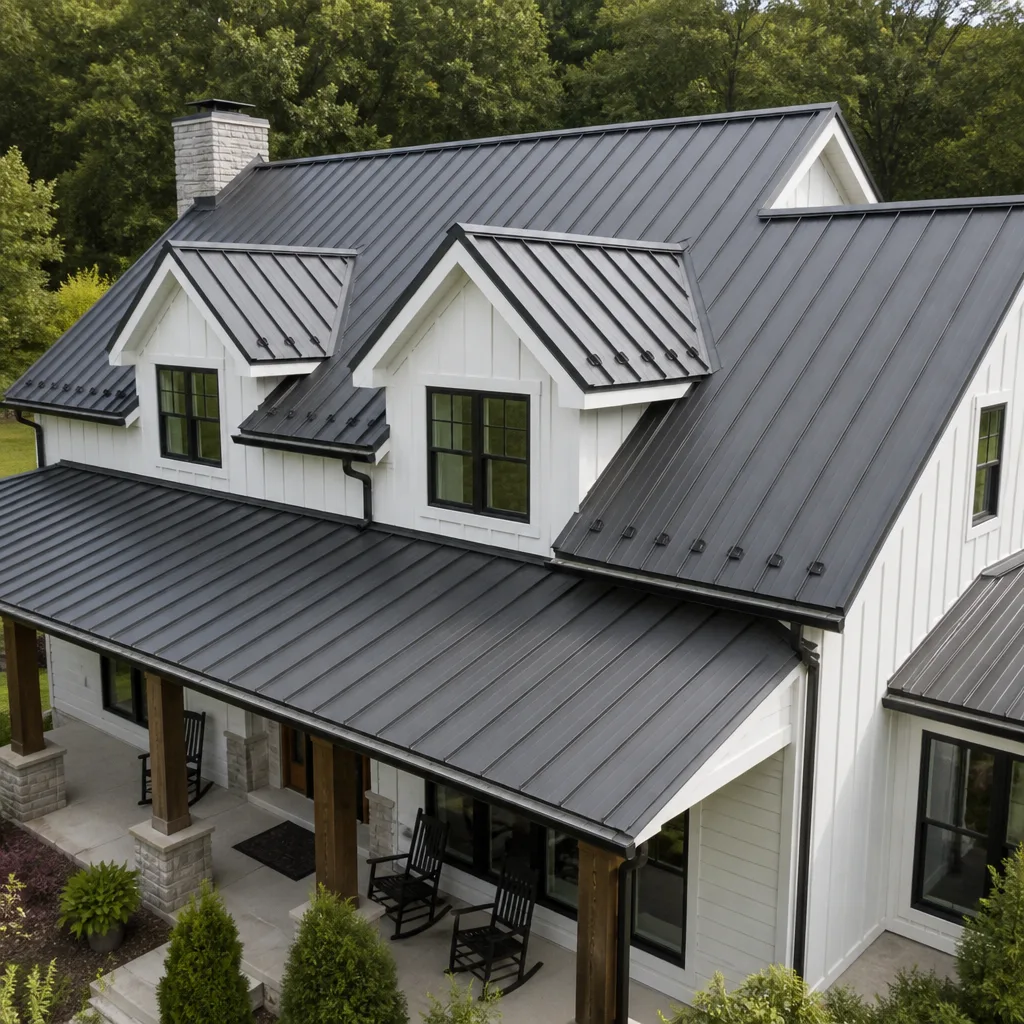 Metal roofing
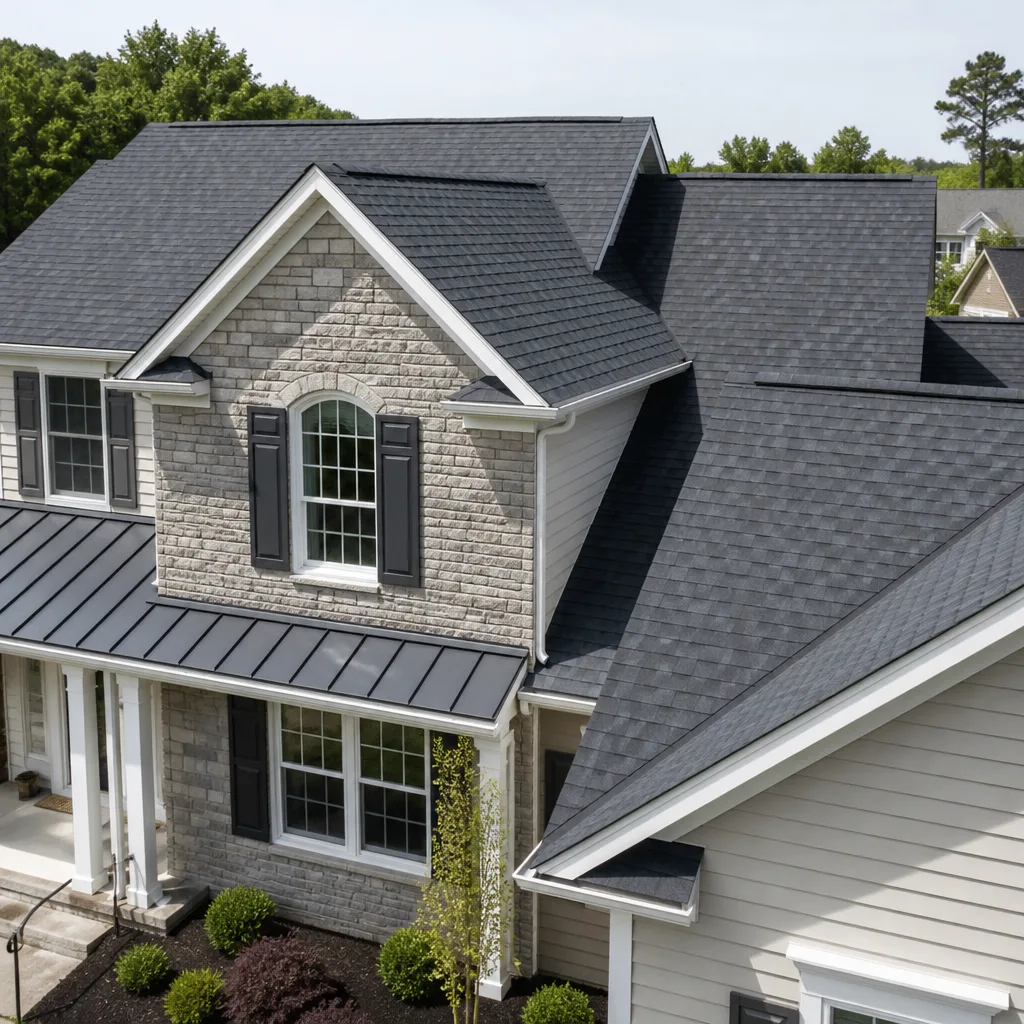 Architectural shingles
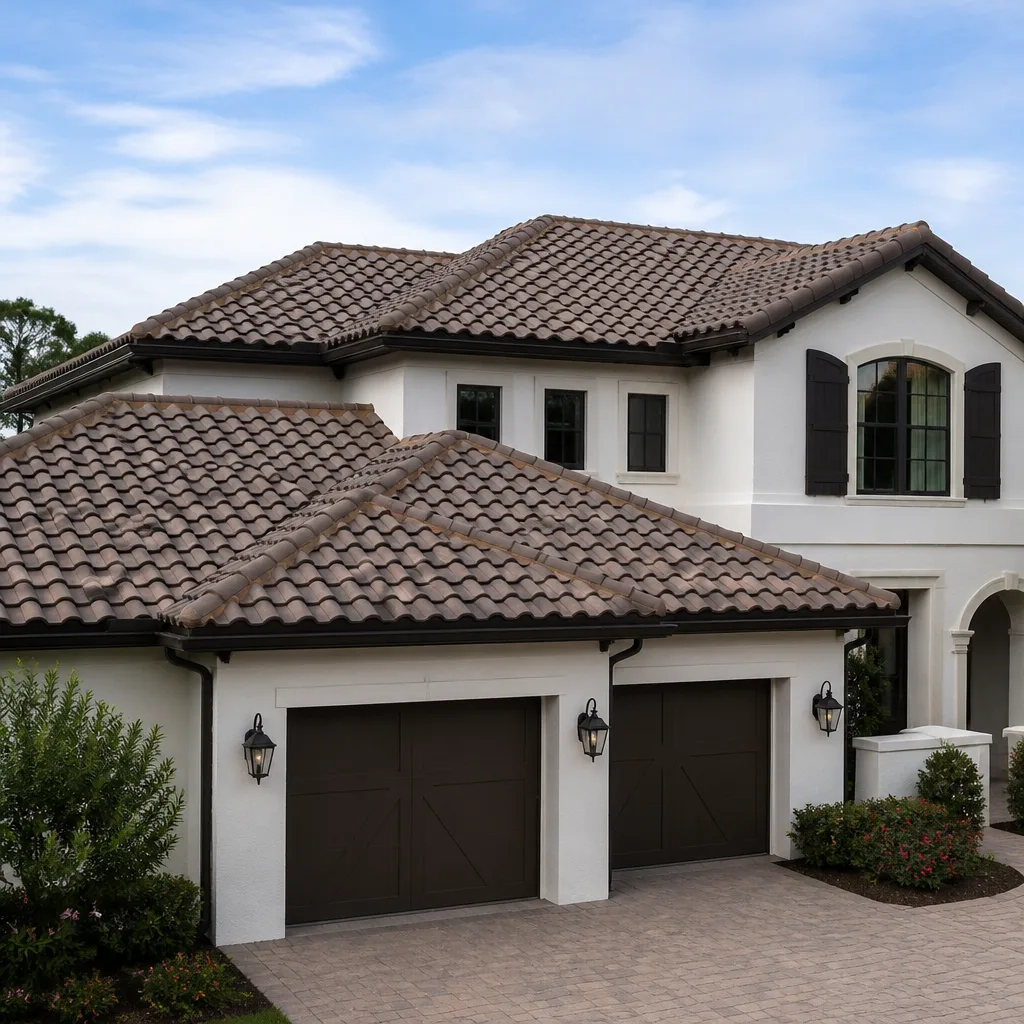 Tile roofing
 GAF
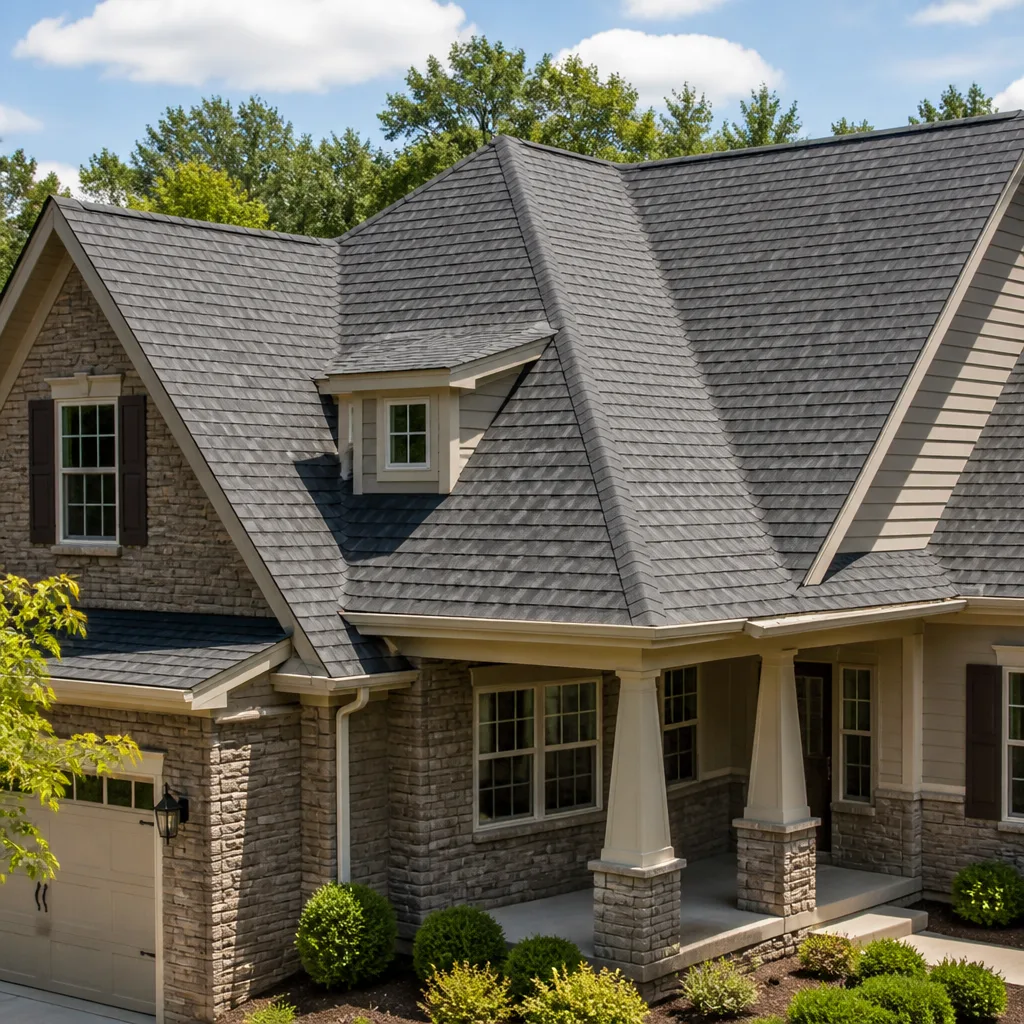 Owens Corning
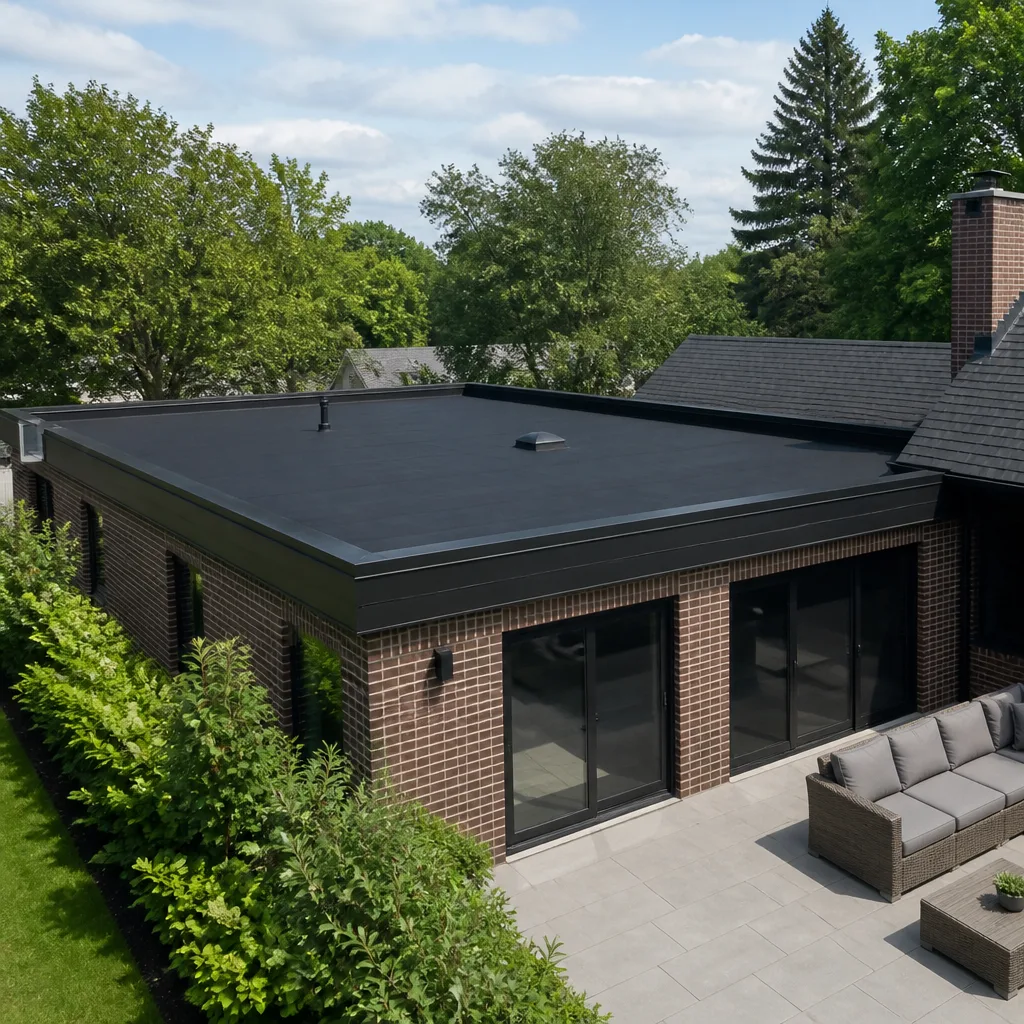 Flat & low-slope
Free roof inspection with deck photos before we talk money - GAF and Owens Corning certified installation
Roofing Permits, Codes & Inspections in CA: What You Need to Know
Every year, California homeowners lose thousands of dollars at the closing table because a roof was replaced without a permit years earlier. The escrow stalls, the buyer’s lender hesitates, and the seller is forced to either discount the price or scramble for an after-the-fact permit that costs triple the original fee. In Murrieta, where master-planned communities and strict HOA covenants layer on top of city and county requirements, the permit question is not a formality. It’s the difference between a roof that passes inspection on schedule and one that becomes a legal and financial liability. This guide explains exactly which roofing projects need a permit in California, what the codes require, what inspections actually check, and how to protect yourself from the unpermitted-work trap. By the end, you’ll understand the process from application to final sign-off, including the Murrieta-specific layers most guides never mention.
Quick Answer
Most roof replacements and structural repairs in California require a building permit, and that permit must be pulled by a licensed contractor under their own license number. The permit triggers a mandatory city or county inspection, which is your independent verification that the work meets current building code, including California’s Title 24 cool-roof requirements. In Murrieta specifically, you may also need HOA architectural approval before the city will process your permit, and re-roofing projects in climate Zone 10 must meet specific solar reflectance and thermal emittance standards. Skipping the permit saves a few hundred dollars upfront but can cost thousands at resale, create insurance complications after a claim, and shift liability onto you as the homeowner. For year-round maintenance tips, see our Seasonal Roofing Care for Murrieta: Year-Round Homeowner’s Guide.
Styles & brands we work with
Table of Contents
- Which Roofing Projects Actually Require a Permit
- Riverside County vs. City of Murrieta: Who Governs What
- Title 24 Cool-Roof Requirements for Murrieta’s Climate Zone 10
- What a Murrieta Roofing Inspection Actually Checks
- The HOA Approval Layer: Sequencing Architectural Review and City Permits
- Why the License Number on Your Permit Determines Liability
- Step-by-Step: From Permit Application to Final Sign-Off
- What Roofing Permits Cost in Murrieta and Riverside County
Which Roofing Projects Actually Require a Permit
Not every roofing job needs a permit, and understanding the line between repair and replacement saves you from either overpaying for unnecessary paperwork or skipping a permit you legally needed. The California Building Code (CBC), which every local jurisdiction in the state adopts with amendments, draws the line this way: a permit is required when the work alters the structure, changes the roof covering material, or replaces sheathing. A minor repair that replaces a few shingles, patches a small section, or reseals a vent typically falls under what the code calls “ordinary repairs” and does not require a permit.
Here’s the breakdown most homeowners in Murrieta actually need:
- Full re-roof or replacement: Permit required, always. This applies whether you’re tearing off old shingles and installing new ones, or laying a second layer over an existing roof (which is restricted in many California jurisdictions anyway due to weight and fire concerns).
- Replacing the underlayment or sheathing: Permit required. Once you’re below the surface material, you’re in structural territory, and an inspector needs to verify the decking and underlayment meet current standards.
- Structural repairs to rafters, trusses, or the roof deck: Permit required. Any modification to the structural framing is a code-governed alteration, not maintenance.
- Replacing a few shingles after wind damage: No permit needed, as long as the repair covers less than 10% of the roof area and does not touch the underlayment. This is the everyday repair scope we handle most often at Rosewood Roof Repair.
- Re-flashing a chimney, skylight, or pipe boot: No permit required for the flashing work itself, though if the repair requires removing surrounding shingles down to the deck, the scope may tip into permit territory.
- Roof-mounted solar installation: Separate permit required, but the roofing work associated with it (reinforcing the mounting areas, sealing penetrations) falls under the same roof permit if done simultaneously.
The practical rule in Murrieta: if a contractor quotes a roof replacement and says no permit is needed, walk away. That’s not a favor; it’s a red flag. A permitted replacement costs a few hundred dollars more for the permit fee and the inspection, but it buys you the independent verification that the roof was installed to code. An unpermitted roof has no such verification, and you’ll answer for that someday, either at resale or when an insurance adjuster asks who installed the roof and under what permit.
Riverside County vs. City of Murrieta: Who Governs What
California’s permitting structure is a two-layer system, and Murrieta sits inside Riverside County, which means you may encounter either the city’s Building & Safety Division or the county’s depending on where exactly your property lies. Most homes within Murrieta city limits fall under the City of Murrieta’s jurisdiction. Homes in unincorporated county pockets near Murrieta, often with Murrieta mailing addresses but outside city boundaries, fall under Riverside County’s Building & Safety Department. The distinction matters because the two jurisdictions run on different fee schedules, different inspection turnaround times, and slightly different code amendment packages.
Here’s what to know about each layer:
- City of Murrieta: The city enforces the California Building Code with local amendments adopted through the Murrieta Municipal Code. Roofing permits go through the city’s online portal or the counter at City Hall. The city’s inspectors are generally able to schedule roofing inspections within a few business days, though peak season (late spring through early fall) can extend that.
- Riverside County: The county’s Building & Safety Department covers unincorporated areas and has its own amendment package. The county also runs a slightly different fee structure, and inspection scheduling works through a different portal. Many homeowners in the French Valley and Winchester areas, which are outside Murrieta city limits, deal with the county rather than the city.
- Fire safety overlay: Both jurisdictions enforce Wildland-Urban Interface (WUI) requirements in designated fire hazard zones. In Murrieta’s eastern and southern edges, where neighborhoods like Copper Canyon and the Santa Rosa Plateau communities sit, this can mean Class A fire-rated roofing materials are mandatory, not optional.
If you’re unsure which jurisdiction governs your property, check your property tax bill or call the city’s Building & Safety Division with your address. A reputable contractor will confirm this before pulling the permit, because filing with the wrong agency wastes a week and the application fee is not always transferable. At Rosewood Roof Repair’s inspection service in Murrieta, we verify jurisdiction, code version, and any WUI classification before we ever quote a replacement, so there are no surprises after the contract is signed.
Title 24 Cool-Roof Requirements for Murrieta’s Climate Zone 10
California’s Title 24 energy code is the reason a shingle you see on a home in Michigan might not be legal on a re-roof in Murrieta. Title 24 Part 6 sets minimum standards for roof reflectance and thermal emittance in specific climate zones, and Murrieta falls in Climate Zone 10, which is designated a hot-dry climate requiring cool-roof compliance on most residential re-roofs. The rule applies whenever you replace the roof covering on a permitted project, and it’s become one of the most common reasons a roof fails inspection on the first pass.
The technical requirement for Zone 10 is straightforward on its face: the roof covering must meet a minimum aged solar reflectance of 0.20 and minimum thermal emittance of 0.75, unless an exception applies. In practice, this means the shingle or tile color you choose must be on the Cool Roof Rating Council’s (CRRC) certified product list for Zone 10 compliance. Light-colored shingles and tile almost always comply. Darker colors, especially deep browns and near-blacks, may require specialty products with reflective granules to meet the standard.
What this means for material selection in Murrieta:
- Asphalt shingles: Major brands like Owens Corning, IKO, Atlas, and Tamko all manufacture Zone 10-compliant shingle lines with reflective granules. The compliance is color-specific, not brand-specific. A charcoal shingle from one brand may fail while a tan shingle from the same brand passes. Your contractor should pull the CRRC rating for the exact color and product line before you commit.
- Concrete and clay tile: Tile roofs generally pass easily in lighter tones and often exceed the minimum reflectance thresholds. The thermal emittance of tile is a function of the material itself, not the coating, so tile gives you more color latitude while staying compliant.
- Metal roofing: Most metal roof systems exceed Title 24 minimums when they use cool-roof coatings. Standing seam metal with a PVDF coating in a light or medium tone will typically pass without issue, and the reflectance helps with the hot summers Murrieta gets every year.
- The practical effect: If you want a dark roof in Murrieta, you need to plan for it. The compliant product will likely cost more than a non-compliant dark shingle, and you should verify the specific product is on the CRRC list before the permit application goes in. The inspector will check the product documentation against the permit, so this is not a detail you can resolve after installation.
Because Rosewood Roof Repair carries materials from seven brands rather than one, we’re able to find a Zone 10-compliant option in nearly any color family a homeowner wants, from the value tier through the premium tier. Learn more in our guide to Choosing the Right Roofing Brand: A Buyer’s Guide for Murrieta. The right material for your roof, not just the one we keep in the truck, is a real advantage when Title 24 narrows the field.
What a Murrieta Roofing Inspection Actually Checks
The inspection is the part of the permit process that actually protects you, because it puts a city-licensed inspector on your roof to verify the work matches the code and the approved plans. In Murrieta, a typical re-roof project involves at least two inspections: one after the old roof is removed and the underlayment is installed (the “nailing inspection” or “pre-cover inspection”), and one after the roofing material is fully installed (the “final inspection”). Some projects with structural repairs or WUI requirements will have additional checkpoints.
At the nailing inspection, the inspector checks:
- That the roof decking is sound and any rotten or damaged sheathing has been replaced
- That the underlayment is installed with the correct overlap and fastening pattern for the material and the code edition in force
- That valley flashing, drip edge, and penetration flashings are installed before the shingles or tile go on
- That the deck meets any WUI fire-safety requirements if the property is in a fire hazard zone
At the final inspection, the inspector verifies:
- The visible roof covering matches the permitted material and the approved color/product documentation
- The shingles or tile are installed with proper exposure, nailing pattern, and edge alignment
- Flashing at chimneys, skylights, vents, and roof-to-wall intersections is properly seated
- The ridge, hip, and valley details are completed to manufacturer and code standards
- The roof meets Title 24 compliance documentation for the installed product
Here’s the part most homeowners don’t think about: the inspector is working for the city, not for you, but their findings serve your interests. If a contractor cuts corners, the inspector flags it, and the contractor has to fix the problem before the permit is finalized. That’s the quality-control function of the permit system in action. An unpermitted roof gets none of this. No one verifies the underlayment before it’s covered. No one confirms the flashing was installed correctly before the shingles hide it. No independent third party ever lays eyes on the work. When we talk with homeowners in Murrieta who are considering skipping the permit to save a few hundred dollars, we frame it this way: you’re not saving money. You’re buying your roof without any inspection, which is like buying a house without an inspection because the seller said it was fine.
The HOA Approval Layer: Sequencing Architectural Review and City Permits
Murrieta is a city of master-planned communities. Neighborhoods like Bear Creek, The Colony, Copper Canyon, Spencer’s Crossing, and many others are governed by homeowners associations with architectural review committees that have jurisdiction over exterior changes, including roofs. This adds a layer to the permit process that most general guides never mention, and it’s a layer that can delay your project by 30 to 60 days if you don’t sequence it correctly.
The standard order of operations for a Murrieta roofing project with HOA oversight:
- Check your HOA’s design guidelines before you choose a material. Your HOA may restrict roof colors, materials, or even specific product lines. Bear Creek, for example, has specific tile profiles approved for certain neighborhoods. Choosing a shingle color the architectural committee won’t approve means starting over.
- Submit your architectural review application with the proposed material, color, and product spec sheet. Most HOAs in Murrieta require samples or photos and a specification sheet from the manufacturer.
- Wait for architectural committee approval. This typically takes 2 to 4 weeks, though some associations meet monthly, which can stretch the timeline. Plan for this before you sign a contract.
- Submit your city permit application after HOA approval is in hand. The city’s Building & Safety Division will not ask for HOA approval, but if there’s a dispute later, the HOA’s approval protects you. More practically, submitting the permit after HOA approval means you won’t pay for a permit on a roof the HOA then rejects.
- Schedule and pass your city inspections as described above.
The sequencing point matters because the permit fee is non-refundable once the application is processed. If you pull the city permit first and the HOA then rejects your color choice, you’re out the permit fee and the time. If you get HOA approval first, the city permit is the final administrative step before work starts. A contractor who works in Murrieta regularly should know which neighborhoods have HOA review requirements and ask about it in the first conversation. If they don’t ask, that’s a sign they don’t work here often.
Why the License Number on Your Permit Determines Liability
When a roofing permit is issued in California, it’s issued to a specific license number. That license number belongs to either the contractor or the homeowner. The distinction determines who bears liability if the work fails inspection, who the city pursues for code violations, and who carries the legal responsibility for the roof’s compliance with building standards. This is the detail most homeowners never think to check, and it matters more than almost any other single fact about a roofing contract.
Here’s how it breaks down:
- Contractor pulls the permit under their license: The contractor is the responsible party on the permit. They’re legally obligated to complete the work to code, pass inspection, and correct any deficiencies the inspector flags. If the work fails inspection, the contractor remains on the hook until it’s resolved. If the contractor abandons the job, the permit stays open under their license, and the CSLB (Contractors State License Board) can take action against them.
- Homeowner pulls the permit in their own name: You, the homeowner, are now the responsible party. If the work fails inspection, the city’s notice goes to you. If the contractor walks off the job, you’re left with an open permit on a half-finished roof and no legal leverage. You’re also treated as the contractor for liability purposes, which can affect insurance claims and future resale disclosures.
- The in-between scenario: Some contractors will tell a homeowner, “I’ll do the work, you pull the permit as owner-builder.” This is legal in California if the homeowner genuinely intends to do or direct the work, but in practice it’s often a way for an unlicensed or underinsured contractor to avoid scrutiny. An owner-builder permit shifts significant liability onto the homeowner and can complicate future insurance claims if the work is defective.
The rule we give every Murrieta homeowner: the permit should be in the contractor’s name, under the contractor’s license number, with the contractor listed as the responsible party. If a contractor wants you to pull the permit yourself, ask why. There are legitimate reasons a homeowner might choose owner-builder status (you’re acting as your own general contractor on a larger project), but a dedicated roofing contractor has no reason to ask you to do this on a straightforward re-roof. The permit is part of the job, and the license number on the permit is part of the contractor’s accountability to you.
Step-by-Step: From Permit Application to Final Sign-Off
Understanding the full sequence demystifies the process and lets you track where your project stands at any given moment. Here’s the complete path for a typical roof replacement in Murrieta, from first phone call to final permit close-out.
- Site visit and estimate: Your contractor inspects the roof, measures, assesses the deck condition, checks for WUI designation, and reviews HOA requirements. This is when material selection happens, including Title 24 compliance verification for your climate zone.
- HOA architectural review (if applicable): Submit the material spec, color samples, and product documentation to your HOA’s architectural committee. Approval timelines range from one week to a month depending on the association’s meeting schedule.
- Permit application: Your contractor files the permit application with the correct jurisdiction (city or county), including the material spec sheet, product approvals, and any structural details if the deck is being repaired. The permit fee is paid at this stage.
- Permit issuance: The jurisdiction reviews the application and issues the permit under the contractor’s license number. This typically takes a few business days for a straightforward re-roof and longer if structural work is involved.
- Demolition and deck inspection: The old roof is removed. If the deck requires nailing inspection, the inspector visits before the underlayment is fully covered. This is the stage where rotten decking is replaced and flashing is installed.
- Roof installation: The new roofing material is installed. The contractor follows the manufacturer’s installation spec and the code requirements, including nailing pattern, exposure, and ventilation details.
- Final inspection: The city or county inspector returns to verify the completed roof, check the Title 24 compliance documentation, and confirm the work matches the permit. If deficiencies are found, the contractor corrects them and the inspector returns.
- Permit finalization: Once the final inspection passes, the permit is signed off and closed. You should receive a copy of the final inspection record and the closed permit. Keep this with your house records; you’ll need it when you sell.
From our experience handling replacements across Murrieta, a straightforward re-roof with HOA approval and a clean inspection sequence takes three to six weeks from contract to final sign-off, assuming good weather. Weather delays in the winter months can extend any roofing project, and the inspection schedule is outside the contractor’s control. A contractor who promises a one-week full replacement with permits is promising something they can’t deliver.
What Roofing Permits Cost in Murrieta and Riverside County
Permit fees are the most visible cost of the permitting process, and they’re also the cheapest part of the whole project. The exact amount depends on the project valuation (the total contract price for the roofing work), the jurisdiction, and whether structural work is involved. What follows are the ranges we see in Murrieta and surrounding Riverside County areas as of early 2026, not exact quotes you should rely on for budgeting.
- Simple re-roof without structural work: $250 to $500 in permit fees in the City of Murrieta. Riverside County fees run in a similar range, with some variance by fee schedule.
- Re-roof with deck replacement or structural repair: $500 to $1,200 depending on the scope of structural work and the project valuation. Structural modifications trigger plan check fees that a simple re-roof does not.
- New construction roof or full structural re-build: $1,000 and up, with plan check fees layered on top of the permit fee. This is outside the typical replacement scope.
- Plan check fees (when required): Typically 65% of the building permit fee in both city and county jurisdictions. Most straightforward re-roofs do not require plan check.
Compared to the cost of the roof itself, which for a typical Murrieta home runs from $12,000 to $35,000 depending on size, material tier, and deck condition, the permit is a rounding error. It’s less than 5% of the total project cost in most cases, and it buys you the inspection, the documented compliance, and the legal protection that a permit provides. The homeowners who skip the permit to save $350 are accepting a risk-to-benefit ratio that no competent roofing contractor would recommend to their own family.
Common Mistakes to Avoid
- Accepting a no-permit quote on a full replacement: If a contractor tells you the roof can be replaced without a permit, they’re describing a violation of California Building Code, and the liability is on you as the property owner. A contractor willing to skip the permit is also willing to skip other steps you can’t see.
- Choosing a roof color without checking Title 24 first: In Murrieta’s Climate Zone 10, that dark charcoal shingle may not meet the cool-roof reflectance minimum. Verify the CRRC rating for the exact product and color before you fall in love with it.
- Signing a contract before checking HOA architectural guidelines: Some Murrieta neighborhoods restrict roof colors, materials, or both. If your contract is signed for a material your HOA won’t approve, you own the problem.
- Letting the contractor pull the permit in your name: The license number on the permit determines who carries the liability. If the permit is in your name and the work fails inspection, you’re the responsible party.
- Paying the full contract amount before the final inspection passes: A small retainage (typically 10%) held until final inspection passes gives you leverage if the inspector finds deficiencies. Reputable contractors expect this.
- Assuming the HOA approval and the city permit are the same thing: They’re separate processes with separate timelines. In Murrieta’s master-planned communities, you need both, and they should be completed in that order.
- Throwing away the final inspection record: When you sell your Murrieta home, the buyer and their lender may ask for proof of the permitted roof work. Keep the closed permit and the final inspection sign-off with your house records.
See the difference
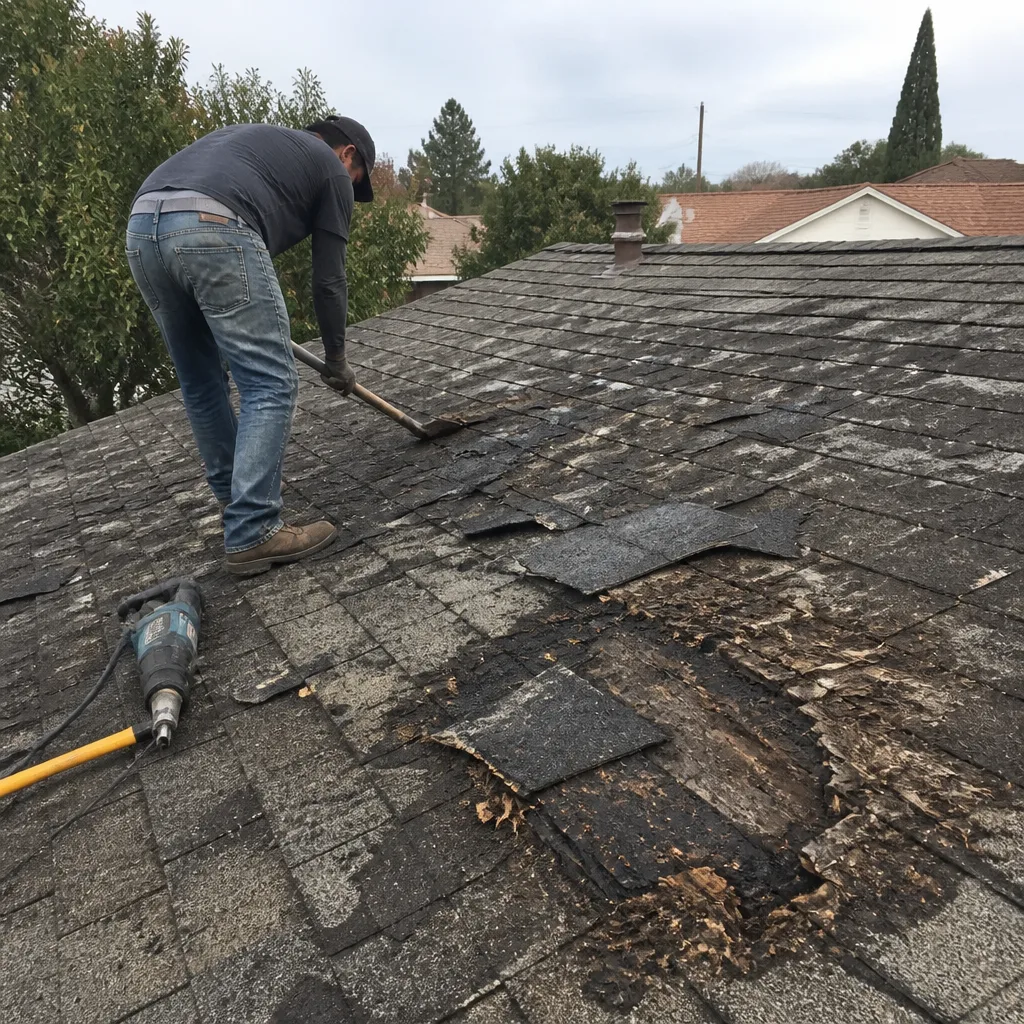 Before
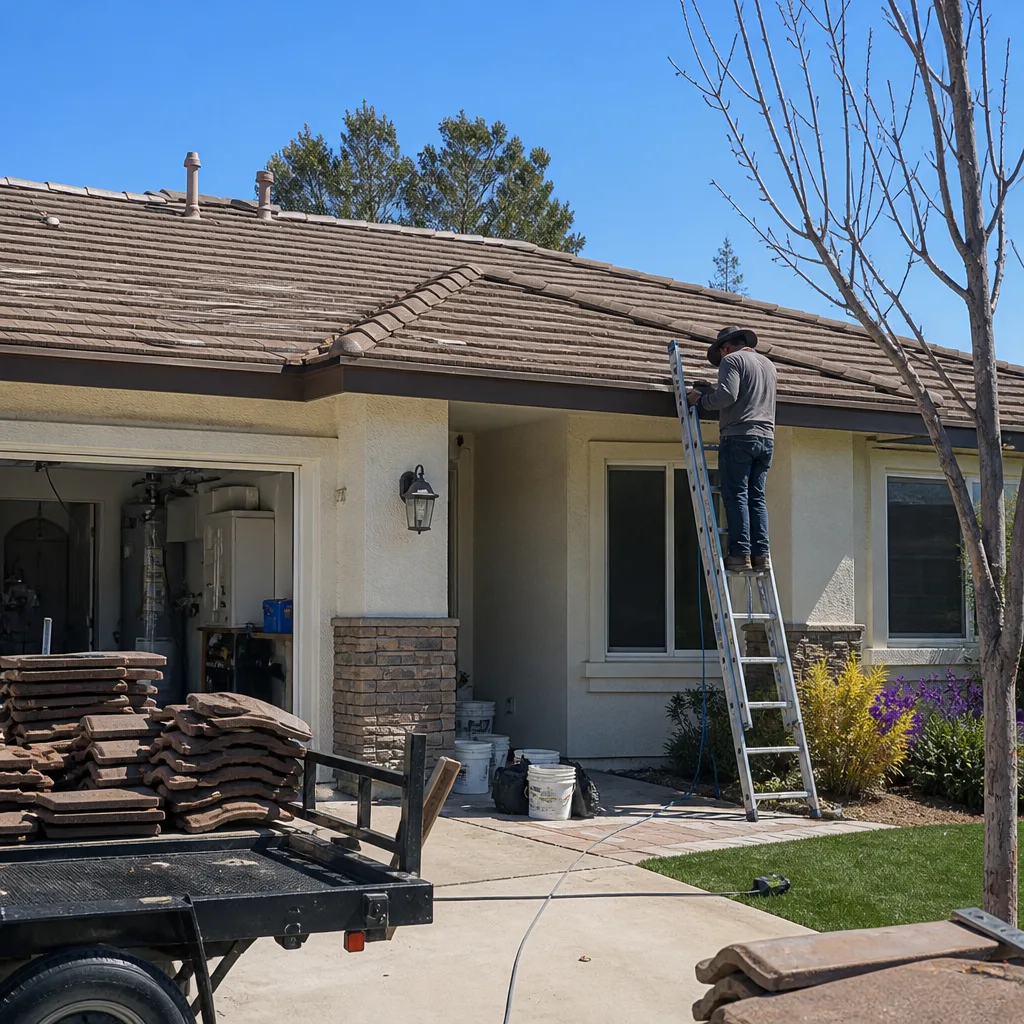 After
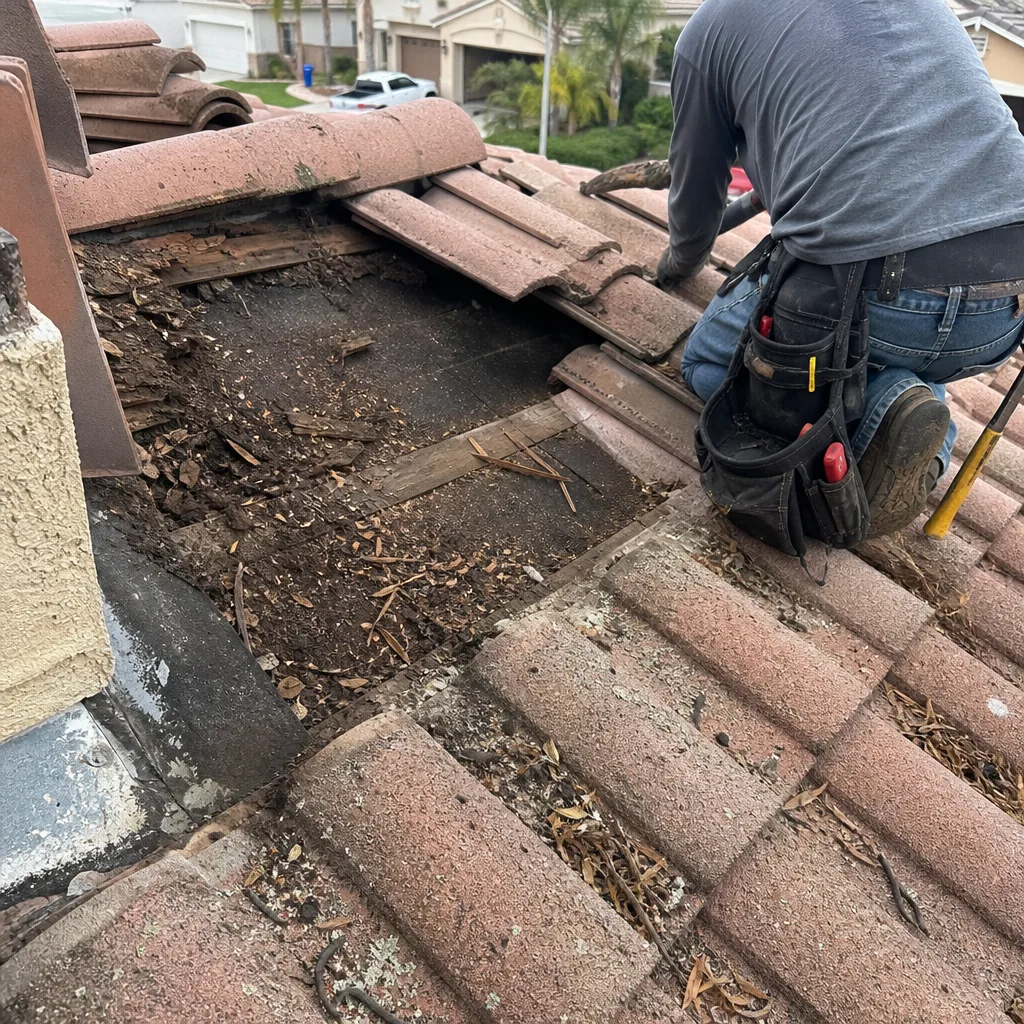 Before
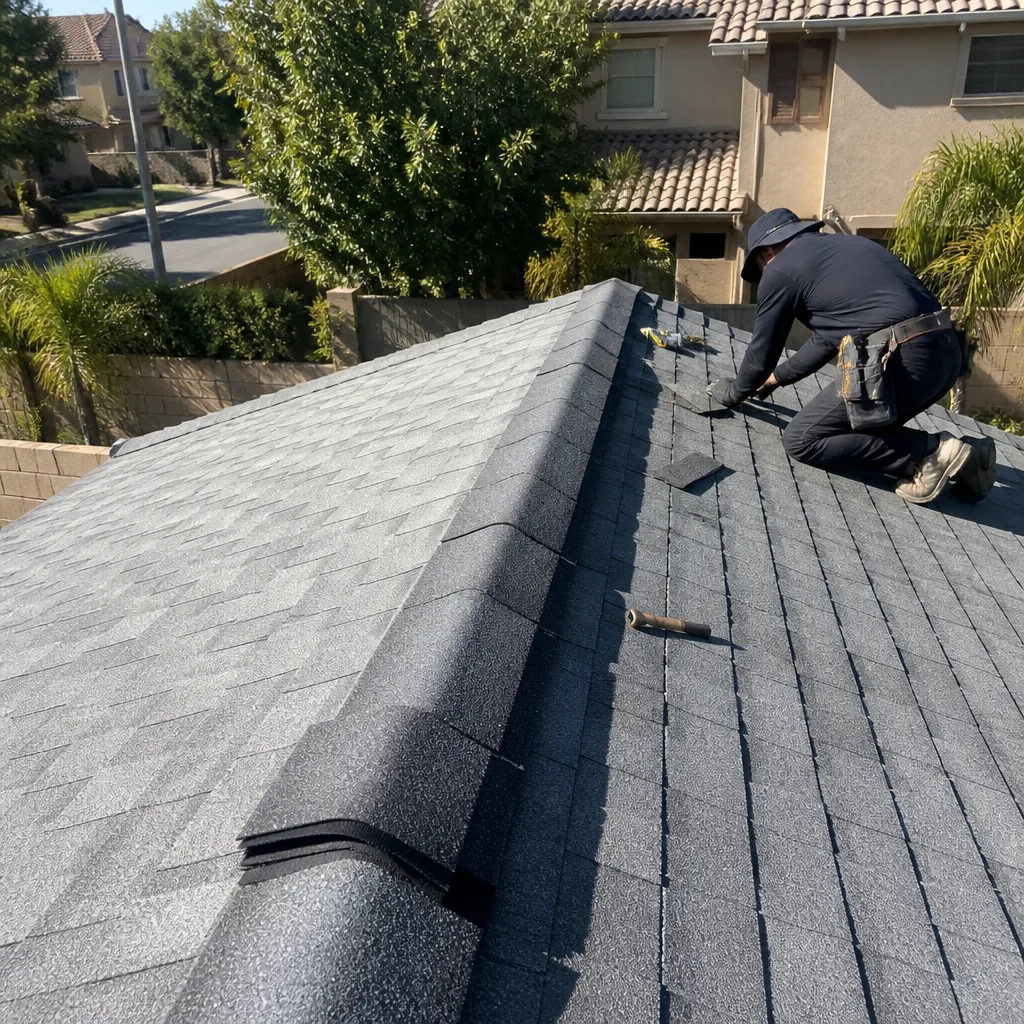 After
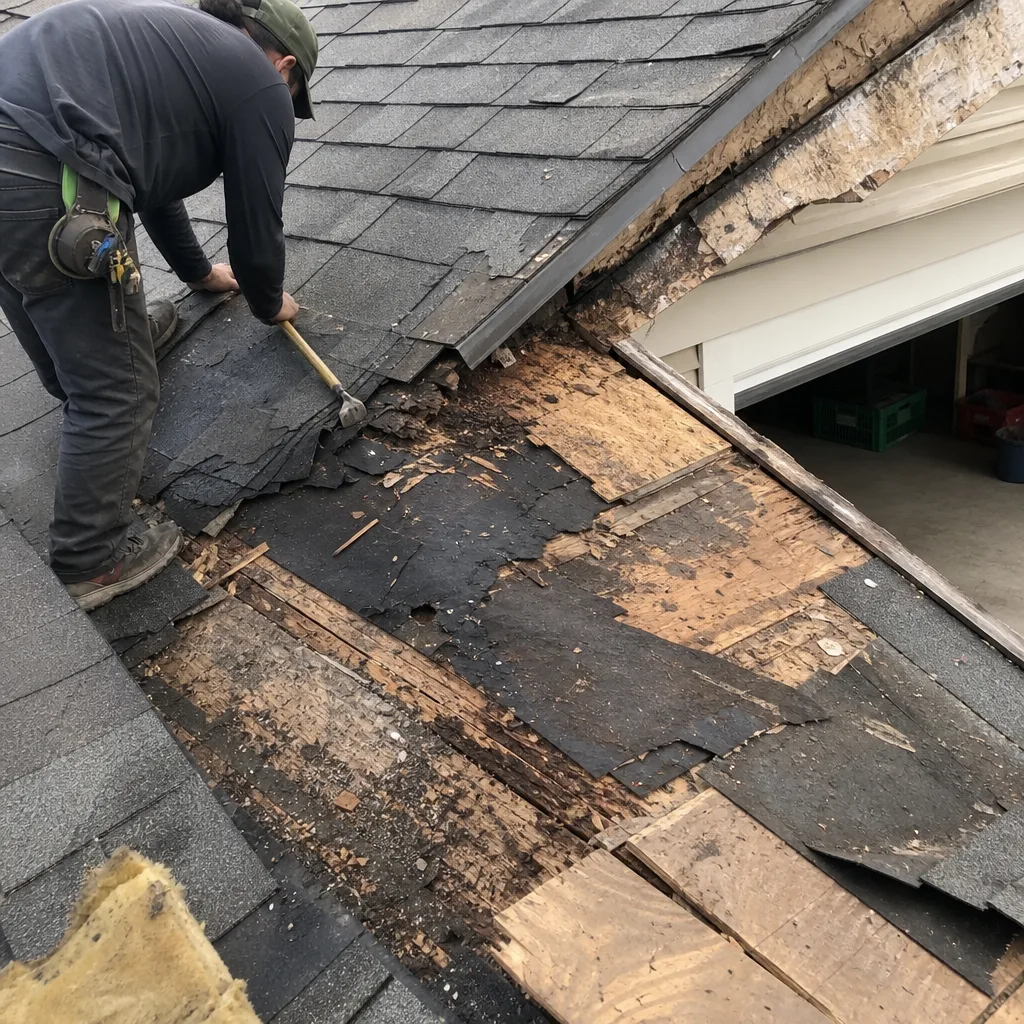 Before
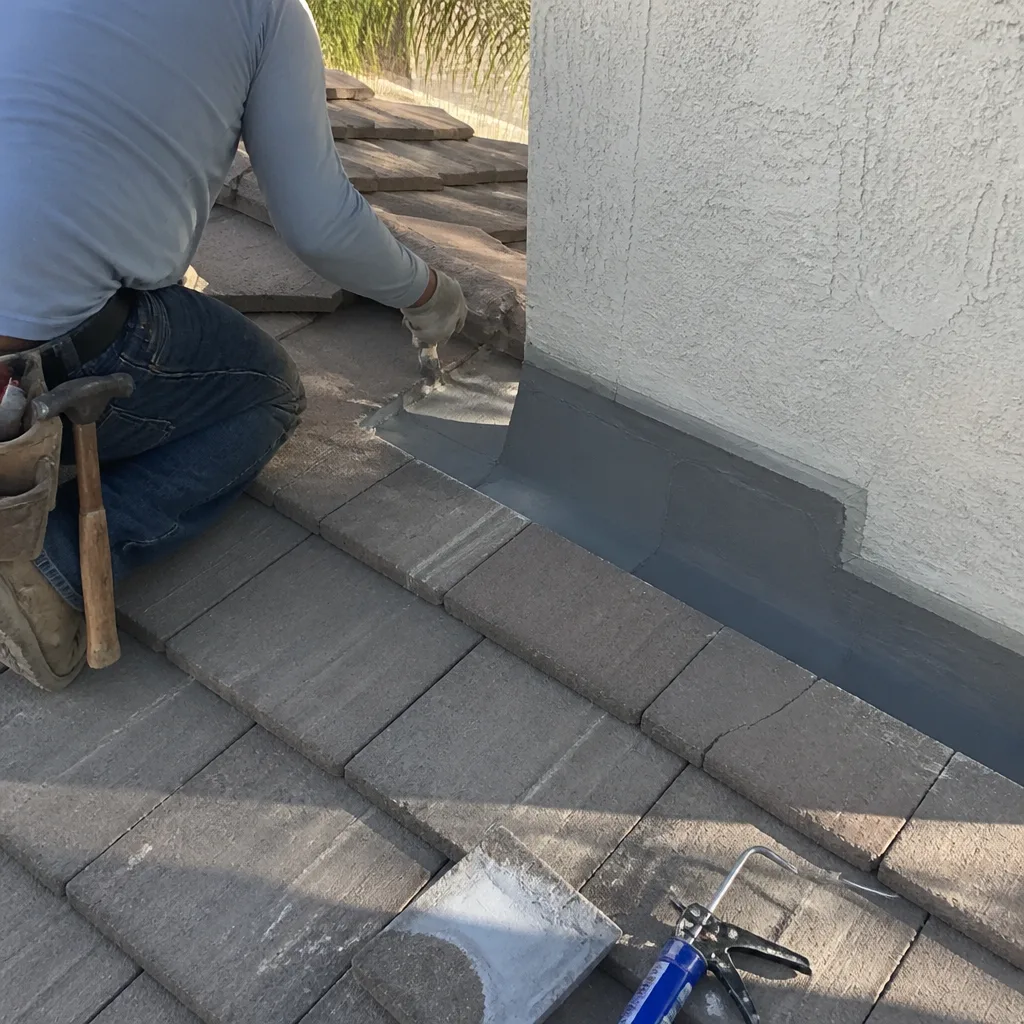 After
When to Call a Professional
Roofing permits, code compliance, and HOA coordination are not DIY projects. If your roof needs a replacement, the first step is hiring a contractor who understands the Murrieta-specific layers: Title 24 Zone 10 requirements, WUI fire-safety overlays, HOA architectural review in master-planned communities, and the city/county jurisdiction split. The permit itself is straightforward for a contractor who works in this area every day, but it’s a minefield for a homeowner trying to navigate it alone, and the consequences of getting it wrong show up at resale, during insurance claims, and in the longevity of the roof itself. Rosewood Roof Repair offers free estimates on roof replacement in Murrieta, including a permit and HOA feasibility check before you sign anything. Call (844) 900-4167 to schedule yours. If you’re not ready for a full replacement, our Murrieta roof repair service handles smaller scopes with the same code-aware approach, and we’ll tell you honestly whether a permit is required for the work you need.
Frequently Asked Questions
Yes, any full roof replacement in Murrieta requires a building permit from either the City of Murrieta or Riverside County, depending on your property’s jurisdiction. The permit must be pulled under a licensed contractor’s license number, and the work must pass at least one city or county inspection before the permit is finalized.
For a standard re-roof without structural work, expect to pay between $250 and $500 in permit fees in both the City of Murrieta and Riverside County. Projects involving deck replacement or structural repair run higher, typically $500 to $1,200, because structural work triggers plan check review. Call (844) 900-4167 for an exact quote on your specific project.
You inherit the unpermitted roof when you buy, unless a seller disclosure identified it and you negotiated accordingly. The practical path forward is usually a retroactive permit, which requires an inspection of the installed roof and often corrective work to meet current code. This is one of the situations where a roof inspection in Murrieta can document the roof’s actual condition before you spend money on permitting.
Yes, but only if the specific product and color meet the Cool Roof Rating Council’s minimums for Climate Zone 10: aged solar reflectance of 0.20 and thermal emittance of 0.75. Several manufacturers, including Owens Corning and Atlas, make dark shingles with reflective granules that pass Title 24, but you must verify the exact color’s CRRC rating before installation. The inspector will check this documentation.
Most Murrieta HOAs take two to four weeks for architectural review, though associations that meet monthly can stretch that to six weeks. Submit your HOA application before your city permit application, because if the HOA rejects your material choice after the city permit is already processed, you’ll lose the permit fee and the time.
You legally can, but you shouldn’t, unless you’re genuinely acting as your own general contractor. Pulling the permit in your name makes you the responsible party for code compliance, inspection failures, and liability on the work. A legitimate roofing contractor pulls the permit under their own license number as part of the job, which keeps the legal responsibility on the contractor where it belongs. If a contractor asks you to pull the permit, treat that as a serious warning sign.
The Bottom Line
California’s roofing permit system is not a bureaucratic tax on your project. It’s the mechanism that puts a third-party inspector on your roof to verify the work, and it’s the documentation that protects your investment when you sell. In Murrieta, the permit process layers on HOA architectural review, Title 24 Zone 10 compliance, and WUI fire-safety requirements in designated areas, which means the process rewards homeowners who plan ahead and penalizes those who skip steps. Hire a contractor who pulls the permit under their own license, verify your material choice against the CRRC list, sequence your HOA approval before your city permit, and keep the final inspection record with your house files. The permit costs a few hundred dollars. The alternative costs thousands, and you don’t find out until the worst possible moment. Rosewood Roof Repair handles the full permit, inspection, and HOA coordination process for every roof we install in Murrieta, so you never have to navigate it alone.
Written by the team at Rosewood Roof Repair, serving Murrieta since 2014.