
Last updated October 30, 2026
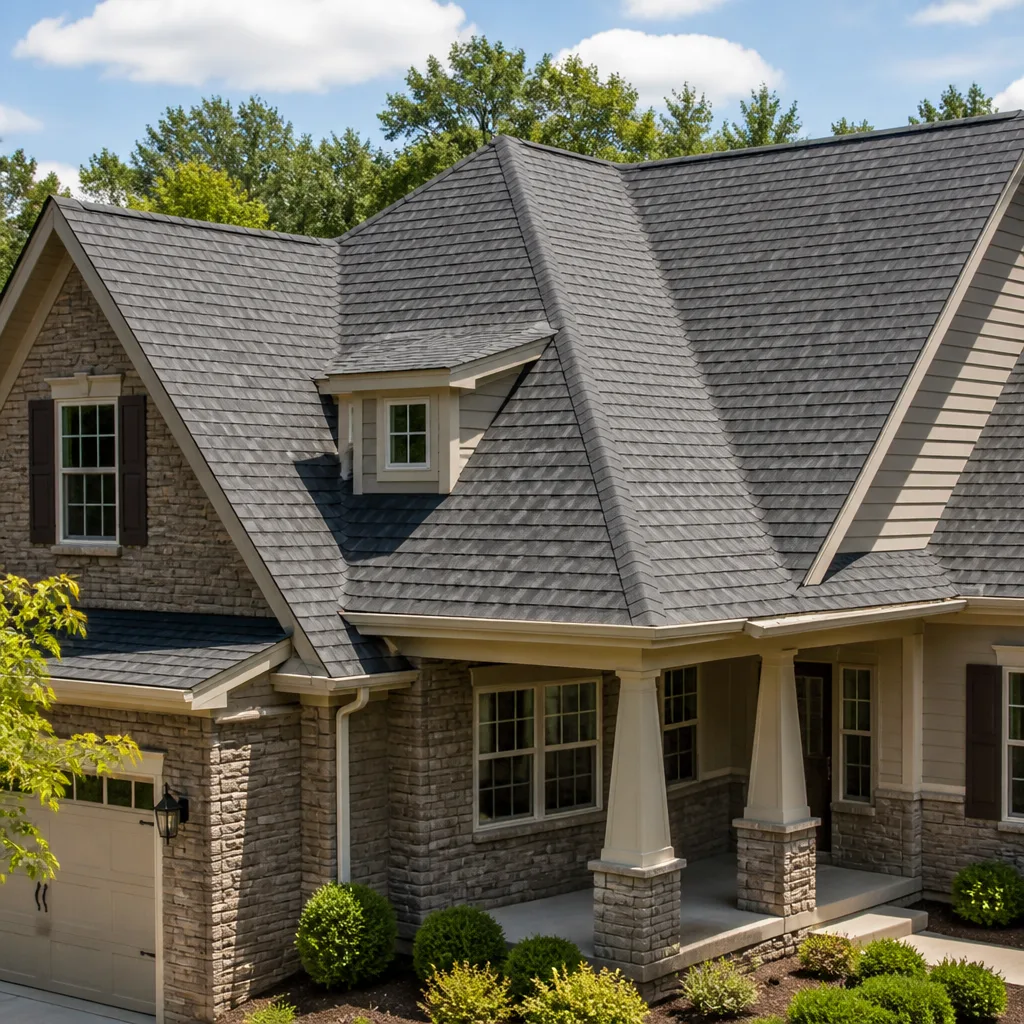
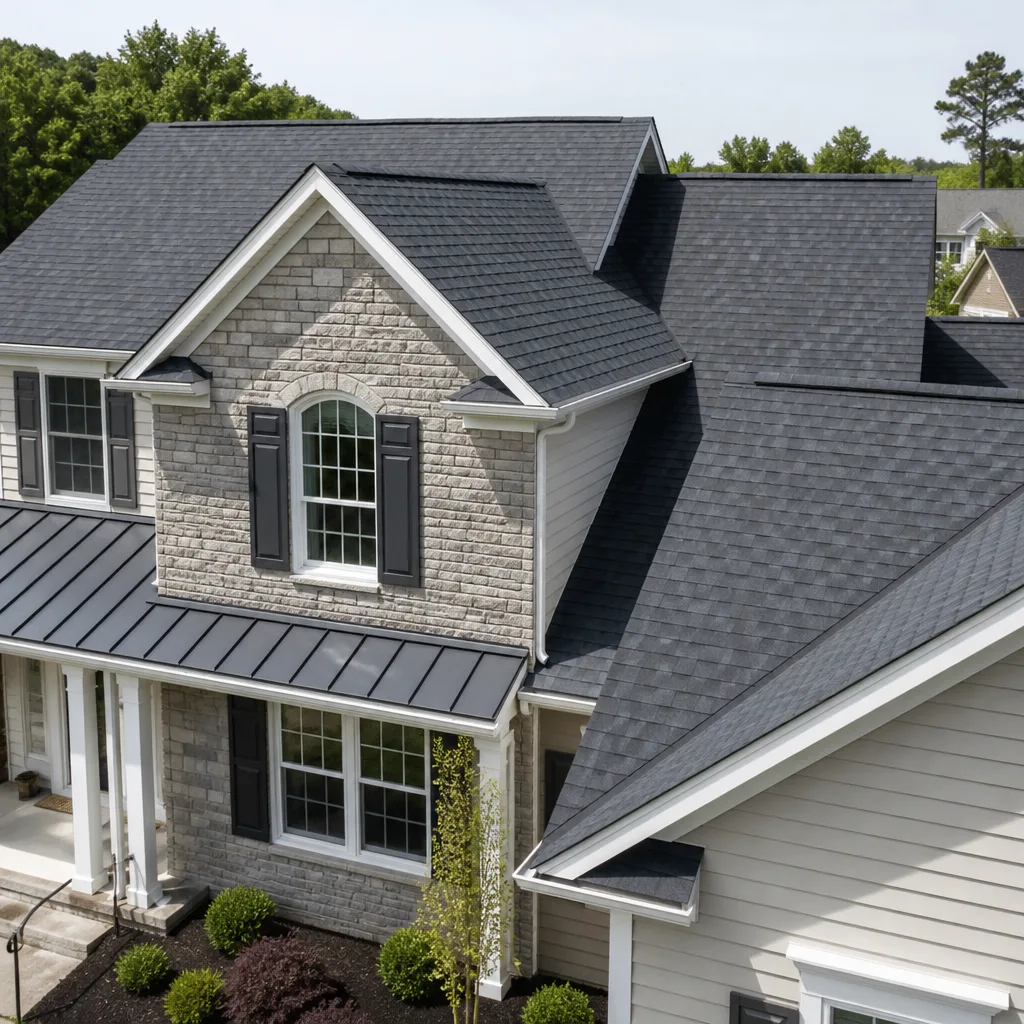 Architectural shingles
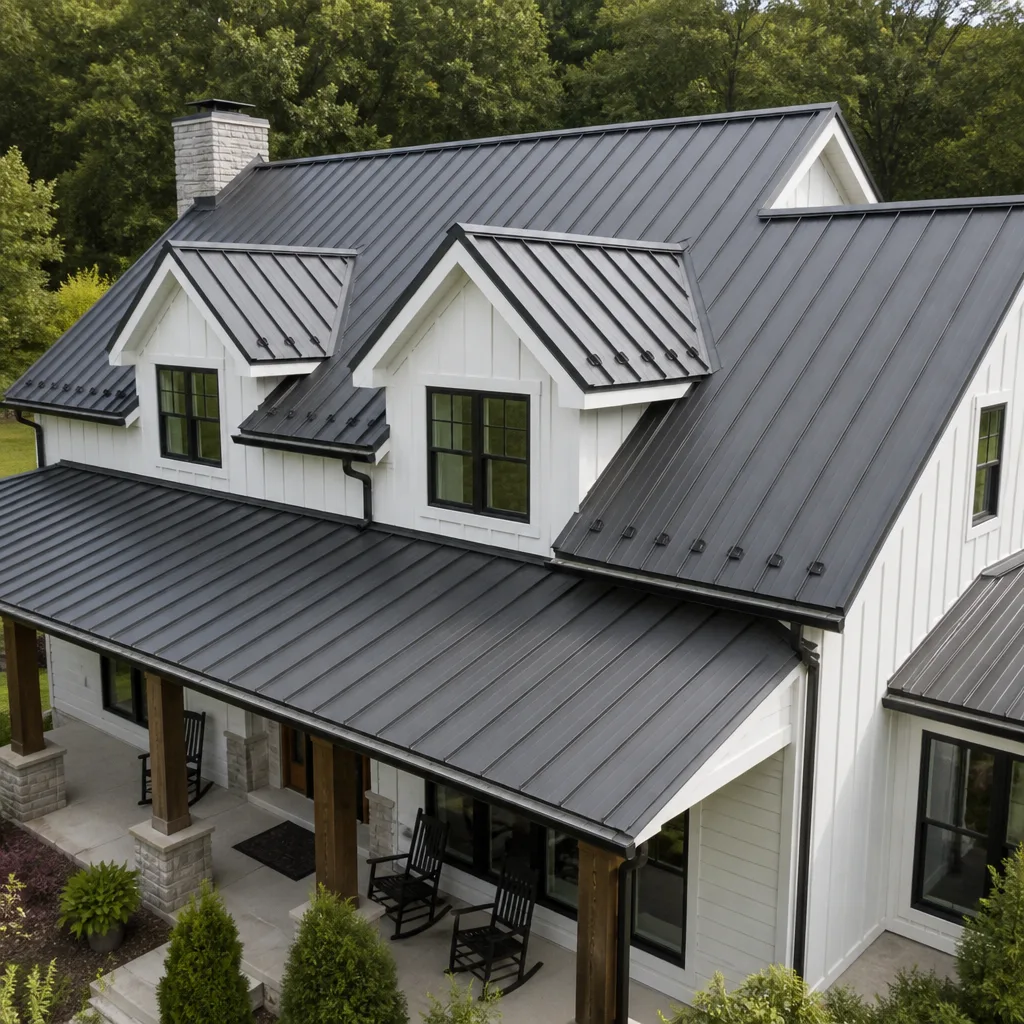 Metal roofing
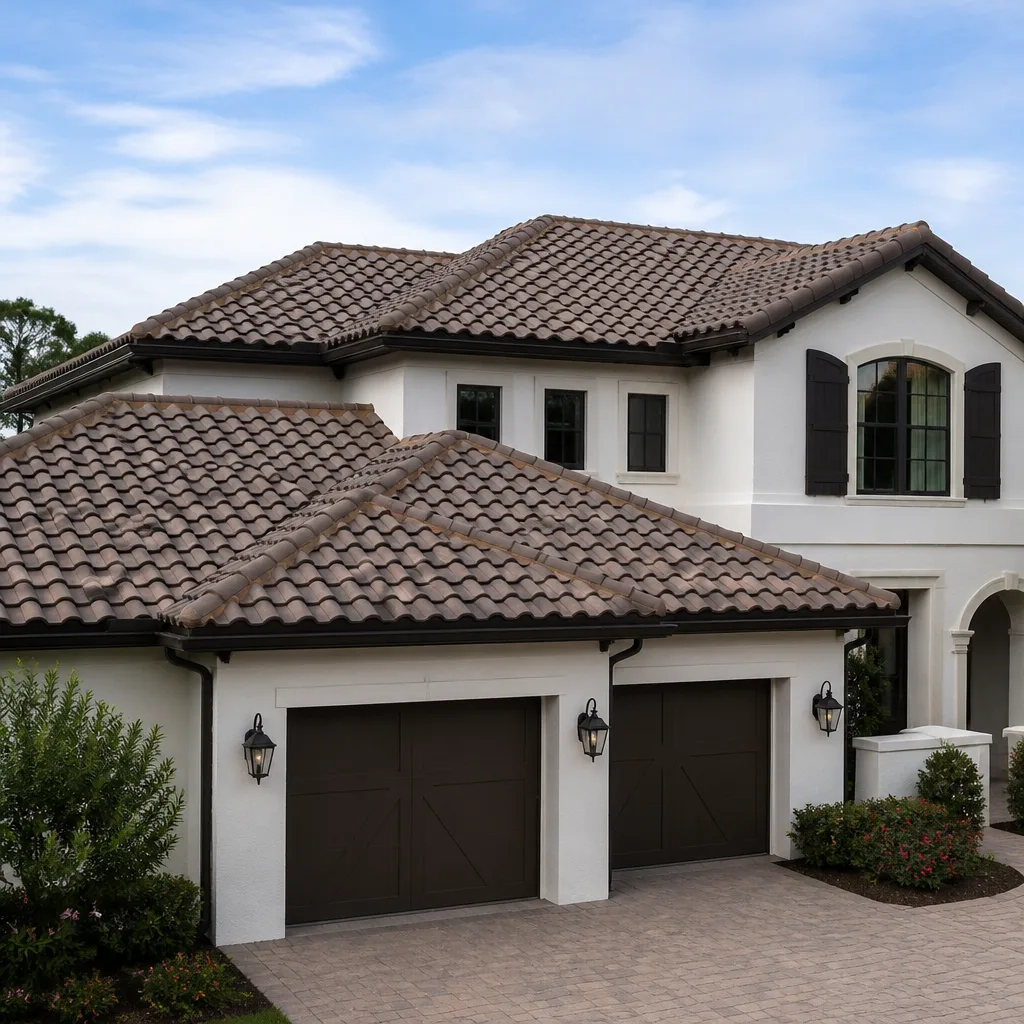 Tile roofing
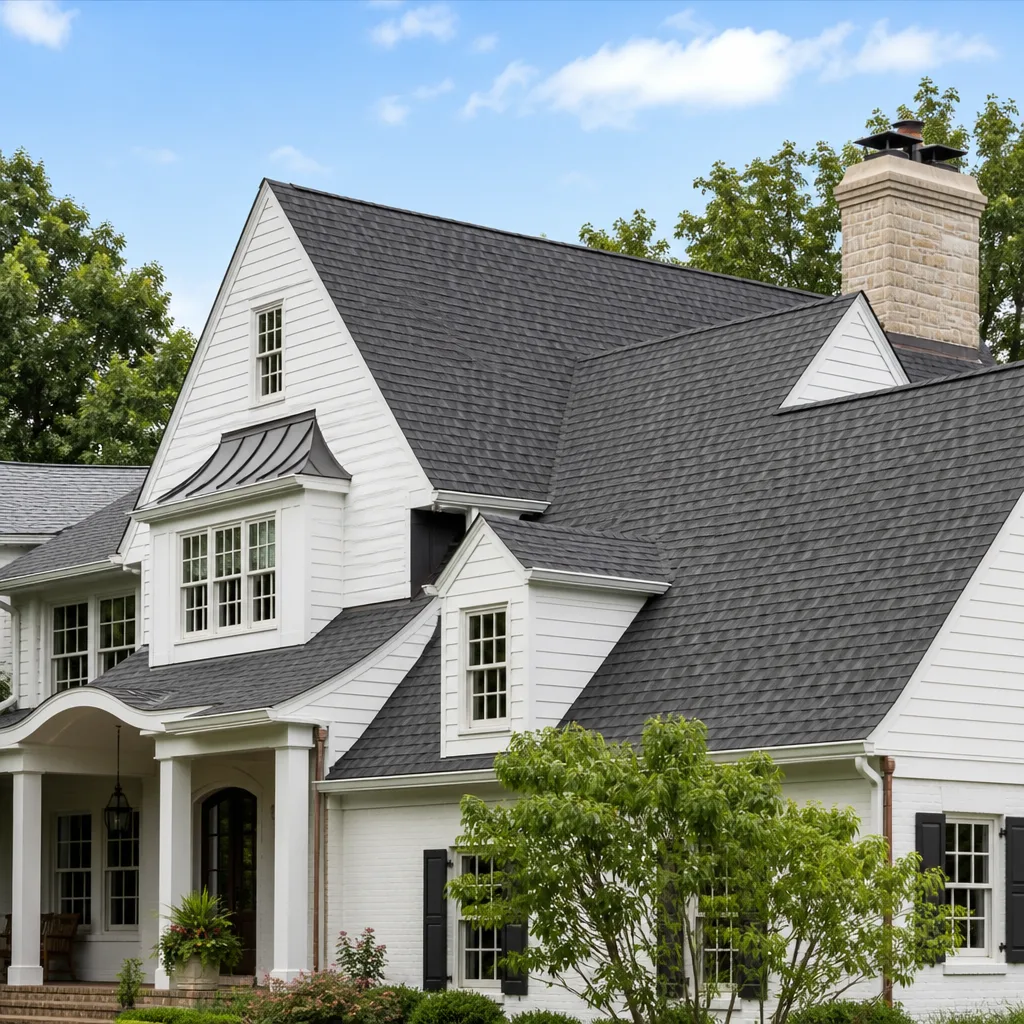 GAF
 Owens Corning
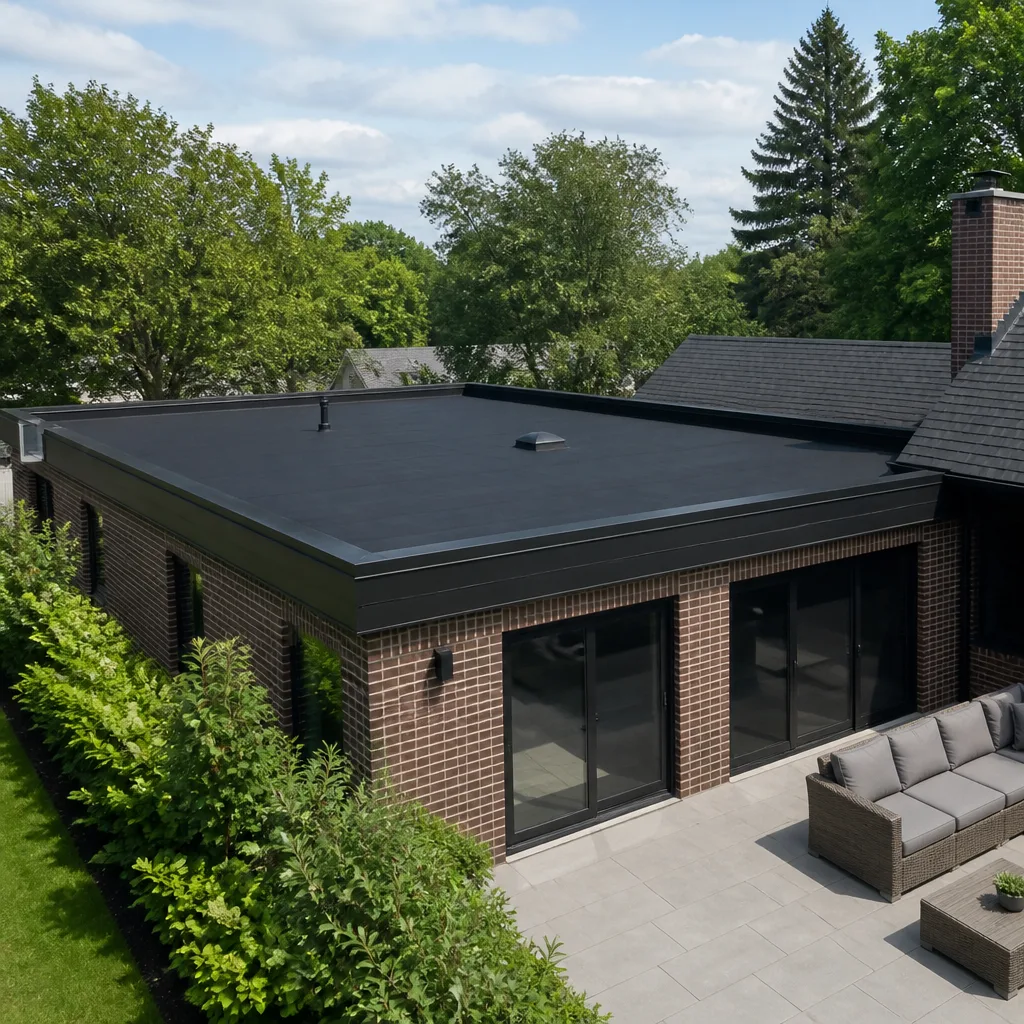 Flat & low-slope
Free roof inspection with deck photos before we talk money - GAF and Owens Corning certified installation
The Complete Roof Repair Guide for Murrieta Homeowners
Murrieta averages 284 sunny days a year, which sounds like a Chamber of Commerce statistic until you realize that relentless UV exposure degrades asphalt shingles roughly 20% faster than manufacturer lifespans assume. Your roof in Murrieta is aging on an accelerated clock, and most homeowners don’t notice until water is already moving through the decking. This guide walks you through how Murrieta’s specific climate damages roofs, which repairs actually make financial sense, and how to evaluate a repair scope before you spend a dollar.
Styles & brands we work with
Quick Answer
Roof repair in Murrieta typically costs between $350 and $1,800 depending on damage type and extent, with most spot repairs completed in a single day. Murrieta’s climate creates a predictable failure sequence: UV degradation first, thermal cracking second, and water intrusion third. If you catch damage at the UV or cracking stage, repair is almost always the right call; once water has penetrated the decking, you need a professional assessment to determine whether repair or replacement makes more financial sense.
Table of Contents
- How Murrieta’s Climate Attacks Your Roof
- The Three-Stage Failure Sequence
- Repair or Replace: The Decision Tree
- Material Compatibility Rules for Repairs
- What a Legitimate Repair Scope Looks Like
- When to Schedule Repairs in Murrieta
- Common Mistakes to Avoid
- When to Call a Professional
- Frequently Asked Questions
- The Bottom Line
How Murrieta’s Climate Attacks Your Roof
Murrieta sits in a unique microclimate within Southern California’s Inland Empire. We’re far enough inland to escape the marine layer that keeps coastal roofs cool and moist, but close enough to the Santa Ana corridors to get hammered by seasonal wind events. The result is a roof environment that combines Phoenix-level UV intensity with periodic wind-driven rain that pushes water sideways into places it wouldn’t normally go.
Three climate factors matter most for Murrieta roofs:
- UV intensity: Murrieta’s elevation (about 1,100 feet) and inland position mean less atmospheric filtering of ultraviolet radiation. Shingles here lose volatile oils faster than in coastal cities, which causes granule loss and brittleness years earlier than the warranty period suggests.
- Santa Ana wind cycles: October through January brings wind events that regularly gust 40-60 mph in the foothill neighborhoods. These winds lift shingle edges, break the adhesive seal strips, and convert minor wear into active vulnerabilities.
- Diurnal temperature swing: Summer days in Murrieta routinely hit 100°F with overnight lows in the 60s. That 40-degree daily swing causes thermal expansion and contraction cycles that slowly separate shingle tabs, flashing, and sealant joints.
We see the effects concentrated in specific neighborhoods. Older sections of central Murrieta with original 1990s composition roofs show granule loss patterns on south-facing and west-facing slopes that face uninterrupted afternoon sun. Homes in the newer Copper Canyon and Spencer’s Crossing areas tend to have better initial material quality, but they’re not immune to the same physics.
The key insight for homeowners: your roof’s calendar age doesn’t tell the real story. A 12-year-old roof in Murrieta may have the material condition of a 15-year-old roof in San Diego. Understanding this acceleration is the first step in making repair decisions that don’t backfire.
The Three-Stage Failure Sequence
Most roofing guides treat damage types as separate categories: a cracked shingle here, a leak there, a flashing issue over there. But in our experience working on roofs across Murrieta, there’s a predictable sequence. Understanding where your roof sits in this sequence tells you what repair is needed and how urgent it actually is.
Stage One: UV Degradation
The first thing that happens is chemical. UV radiation breaks down the asphalt compounds in shingles, causing them to lose flexibility. Shingles that used to bend now snap. Granules begin loosening because the adhesive holding them to the shingle mat is degrading. You’ll see granule accumulation in gutters and downspout splash blocks, often concentrated on the sun-facing slopes.
At this stage, the roof still sheds water. But the material is measurably weaker. A repair at this stage might involve replacing a few brittle shingles or addressing a section where granules are mostly gone.
Stage Two: Thermal Cracking
Once shingles lose flexibility, the daily expansion-contraction cycle starts creating visible cracks. These typically run vertically down the shingle surface or across the shingle at stress points. You’ll notice cracking first on south-facing slopes, where sun exposure is most intense, and around roof penetrations like vents and pipes where thermal stress concentrates.
Stage two is where most Murrieta homeowners first notice a problem, usually because a crack opens wide enough during a Santa Ana event to let water through. The repair here is still straightforward: replace cracked shingles, reseal around penetrations, check underlayment for signs of moisture that hasn’t yet caused damage.
Stage Three: Water Intrusion
This is the stage where repair costs escalate quickly. Water entering through cracks or failed seals reaches the underlayment, then the decking. If the decking is plywood or OSB and has been wet repeatedly, it begins to delaminate or rot. Interior ceiling stains appear, often months after the leak started because water travels along rafters before finding a path down.
Once you’re at stage three, the question shifts from “can this be repaired?” to “how much of what’s under the shingles is compromised?” A legitimate repair scope at this stage always includes decking inspection and replacement of any deteriorated sections. For a full breakdown of what we look for at this stage, see our Roof Inspection in Murrieta page.
Repair or Replace: The Decision Tree
The most expensive mistake a Murrieta homeowner can make is spending money on repairs that are temporarily patching a roof that has already entered systemic failure. The second most expensive mistake is replacing a roof that had years of serviceable life left. Here’s the decision framework we use:
- Determine the roof’s stage using the failure sequence above. If you’re in stage one or early stage two, repair is almost always the right call. The materials still have structural integrity; you’re addressing isolated failures.
- Count the number of damaged areas. Walk the roof (safely, from a ladder if you’re comfortable, or have a professional do it) and count distinct problem zones. Three or fewer isolated areas typically mean targeted repair makes sense. Eight or more damaged areas scattered across the roof suggests the material is failing broadly, not locally.
- Check the roof’s age against the material’s rated lifespan. A 25-year architectural shingle installed 18 years ago in Murrieta is likely approaching the end of its functional life due to that 20% UV acceleration. If your roof is past 80% of its rated lifespan and showing multiple damage zones, replacement may be more economical than repeated repairs over the next few years.
- Look for signs of decking damage. If interior staining or attic inspection reveals wet decking, the repair scope just expanded. A roof that needs decking replacement in multiple areas is often in the zone where full replacement costs only moderately more than a large repair.
- Calculate repair cost vs. remaining life. A rule of thumb: if the repair cost exceeds 30% of the estimated replacement cost and the roof has less than five years of expected life remaining, replacement is usually the better financial decision. A $2,800 repair on a roof that needs $12,000 of replacement within three years is a poor allocation.
When replacement becomes the right answer, Rosewood Roof Repair carries materials from seven manufacturers, including GAF, CertainTeed, Owens Corning, and Boral. That range matters because it means we can match a replacement to your actual budget and performance needs rather than steering you toward whatever single brand we happen to stock. For details on the replacement process and material options, see our Roof Replacement in Murrieta guide.
Material Compatibility Rules for Repairs
Here’s something most Murrieta homeowners don’t learn until it’s too late: repairing an older roof with modern shingles can void the remaining warranty on the original roof or create mismatches that accelerate failure around the repair zone.
Manufacturer warranties have specific requirements about what materials can be installed together. GAF, for example, publishes compatibility charts for their products that specify which shingle lines can be mixed and which combination creates warranty exclusions. Installing a CertainTeed shingle on a GAF roof technically means the GAF warranty no longer covers the affected section, and the CertainTeed shingle isn’t covered either because it was installed on a competitor’s system.
The practical implications:
- Match the manufacturer when possible. If your existing roof is Owens Corning, the repair should use Owens Corning materials of the same or compatible product line. Same for IKO, Atlas, Tamko, or any other brand.
- Match the product line, not just the brand. A GAF Timberline HDZ repair piece is not the same as GAF Royal Sovereign. The warranty and performance characteristics differ.
- Consider the color and weathering difference. A brand-new shingle next to one that’s been under Murrieta sun for eight years will not match, even if the color code is identical. UV fading is not uniformly predictable. A visible repair patch is normal and doesn’t affect performance, but it’s worth knowing before the work starts.
- Understand that some roofs can’t be partially repaired under warranty. If you have a manufacturer warranty still in effect, self-repair or hiring an unqualified contractor may void coverage. Manufacturer-backed warranties typically require installation by certified contractors and notification of repairs through proper channels.
This is one reason Rosewood’s seven-brand portfolio matters in practice: when we arrive at a repair job, we can source the correct compatible material from the manufacturer that matches the existing roof, rather than convincing you to accept whatever we have available. The right material for your roof, not just the one we keep in the truck.
What a Legitimate Repair Scope Looks Like
When you receive a repair quote in Murrieta, it should contain specific line items that show the contractor understands exactly what they’re fixing and what’s included. Vague scopes are how homeowners end up with surprise costs mid-project. Here’s what a legitimate repair scope for a typical Murrieta roof issue contains:
- Specific damage location and description. “Replace 14 damaged architectural shingles on south-facing slope, approximately 12 feet from west edge” is a legitimate scope. “Fix roof damage” is not.
- Material identification. The exact brand, product line, and color intended for the repair. If the scope doesn’t tell you what’s going on your roof, the contractor either doesn’t know or plans to use whatever is cheapest.
- Underlayment specification. Repairs should include replacement of any damaged underlayment in the work area, with the product specified (30-pound felt, synthetic, etc.). This is a common omission that leads to hidden water damage later.
- Decking inspection clause. The scope should state that decking under the repair area will be inspected and any rotten or delaminated sections will be replaced at a specified per-sheet cost. This prevents the “we found additional damage” conversation from becoming a pricing ambush.
- Flashing and sealant work. If the repair is near any penetration (pipe, vent, chimney, valley), the scope should include resealing or replacing flashing as needed. Flashing failure is the most common cause of leaks in areas that look fine from ground level.
- Fastener specification. The scope should note nail type and placement pattern. This sounds trivial, but improper fastening is the most common defect found in Murrieta roof repairs performed by non-specialists.
- Cleanup and disposal. Old shingles, nails, and debris removed from the property. Roofing generates sharp, dangerous debris; the scope should state that it will be removed and the area magnet-swept for loose fasteners.
- Warranty statement. A specific description of what’s covered and for how long. Legitimate repair warranties typically cover workmanship for a stated period and materials per manufacturer terms. Warranty terms are product- and manufacturer-dependent; confirm coverage details at the time of estimate.
If a quote lacks more than two of these elements, get clarification before signing. A professional roofing specialist has no problem providing this level of detail. A contractor who resists is telling you something about how they work.
When to Schedule Repairs in Murrieta
Murrieta’s rain season is concentrated, making scheduling more strategic than most homeowners realize. The region receives roughly 12-14 inches of annual rainfall, but almost all of it falls between November and April, and often in a handful of significant storm events.
Spring (March-May): The Ideal Repair Window
Spring is the sweet spot for Murrieta roof work. The rains have typically ended, temperatures are moderate (60s-80s), and asphalt materials install best in conditions between 50°F and 85°F. Scheduling repairs in March or April means your roof is fully sealed and tested before the next rainy season arrives. The downside: this is peak season for roofing contractors, so lead times may be longer.
Fall (September-October): The Strategic Second Window
The period before the rains return is the second-best repair window. September and October offer warm, dry conditions, and getting repairs completed during this window means you face the winter storms with a roof that has no open vulnerabilities. Santa Ana events typically begin in October, so completing repairs in September provides the most protection.
What About Summer?
Summer repairs in Murrieta are possible but not ideal. Extreme heat makes asphalt shingles overly pliable and prone to damage during installation. Sealants cure too quickly. Roof surfaces can exceed 150°F, which creates safety concerns for workers and reduces material performance. If a summer repair is necessary (active leak), it can be done with proper precautions, but a non-urgent repair is better scheduled for cooler months.
What About Emergency Winter Repairs?
Sometimes water is actively entering your home during a storm and waiting isn’t an option. Winter repairs in Murrieta are doable; the mild Southern California winter rarely drops below freezing. The challenge is working between storm systems. A professional roofing contractor will use temporary waterproofing measures (tarp covers, temporary sealants) to protect your home until a permanent repair can be completed during dry weather.
For scheduling help or to understand your specific situation better, call Rosewood Roof Repair at (844) 900-4167. We can assess urgency and recommend timing based on the current condition of your roof.
Common Mistakes to Avoid
- Caulking over cracked shingles or failed flashing. Silicone and roofing cement are temporary patches, not repairs. The underlying material is still failing, and water will find its way through eventually. This creates a false sense of security while damage worsens underneath.
- Replacing shingles without checking the decking. If water has been getting under the shingles for months, the decking underneath may be water-damaged. Installing new shingles over compromised decking means you’ll be redoing the repair within a year or two when the decking fails.
- Making multiple small repairs over several years instead of evaluating the roof holistically. Five years of $500 repairs on a roof that needed $9,000 of replacement is $2,500 spent maintaining a roof that still needs replacement. There’s a point where patchwork becomes false economy.
- Assuming a new roof means no repairs for 20+ years. Murrieta’s UV exposure means even new roofs require periodic inspection and minor maintenance. Missing shingles after Santa Ana events, sealant cracks around flashing, and other small issues need attention long before the roof reaches replacement age.
- Hiring a general contractor or handyman for roof repair. Roofing has its own material science, fastening standards, and manufacturer requirements. A generalist lacks the depth of knowledge about compatibility, warranty requirements, and installation techniques that a roofing-only specialist brings. Rosewood Roof Repair does roofing exclusively; it’s not a sideline to a remodeling business.
- Ignoring granule loss because it’s “normal aging.” Granule loss is normal, but excessive granule loss on a young roof indicates a material defect or installation problem. If your five-year-old roof is shedding granules heavily, something is wrong beyond normal wear.
- Waiting until a leak appears before investigating. By the time water is visible inside your home, it has already passed through the shingles, underlayment, and decking. The damage is more extensive than the visible stain suggests. Regular inspection catches problems at the UV and cracking stages, when repairs are simple and inexpensive.
When to Call a Professional
Some roof issues are genuinely DIY-addressable. Most are not. Working on a roof involves height, pitch, and the risk of causing more damage than you fix. Specific situations where you should call a professional:
You see water stains on ceilings or walls. Interior water intrusion means the roof’s water-shedding system has already failed. The source may be far from the visible stain. Professional diagnosis is essential.
You find shingles in your yard after a wind event. This indicates adhesive seal failure, which often affects more shingles than just the ones that blew off. A professional can assess the full extent.
Your roof is over 10 years old in Murrieta’s climate. Given the accelerated UV aging, roofs in Murrieta benefit from professional inspection by year 10 regardless of visible condition. From inspection to replacement, one specialist handles it all.
You’re selling your home. A roof inspection is increasingly part of the disclosure process. Addressing issues before listing prevents last-minute repair negotiations.
Rosewood Roof Repair offers free estimates in Murrieta. Call (844) 900-4167 to schedule an inspection or get a repair quote for known damage.
Frequently Asked Questions
How much does roof repair cost in Murrieta?
Most Murrieta roof repairs fall between $350 and $1,800, with minor shingle replacement at the low end and flashing or localized decking repair at the high end. Larger repairs involving multiple damaged areas or significant material replacement can exceed this range. The only way to get an accurate figure is a professional assessment of your specific roof, its materials, and the extent of damage. Call (844) 900-4167 for a free estimate.
How long does a roof repair take?
Most single-area repairs in Murrieta are completed same day. Multiple-area repairs or repairs requiring decking replacement may take one to two days. The limiting factor is often material sourcing when matching existing shingle brands and colors, not the labor itself. For repairs on roofs with discontinued or hard-to-match materials, expect a slightly longer timeline while compatible materials are located.
Can I repair my roof myself?
You can replace a missing shingle or apply temporary sealant, but permanent repairs should be left to professionals. Roofing work involves fall hazards, material compatibility issues, and the risk of creating leaks where none existed. If your roof is under manufacturer warranty, DIY repairs may void that coverage entirely. Manufacturer-backed warranties typically require professional installation.
Will a repair stop my leak permanently?
A properly executed repair addressing the actual source of water entry will stop the leak permanently or for the life of the repaired area. The key phrase is “addressing the actual source.” Water travels, and the visible stain is often not the entry point. A professional diagnosis traces the water path before any repair begins. Patches applied to the visible area without source identification often fail.
Does Murrieta require permits for roof repair?
Murrieta requires building permits for roof replacements and for repairs exceeding a certain scope, typically repairs that involve structural changes or exceed a specific square footage threshold. Minor repairs that replace like-for-like materials and don’t alter the roof structure often do not require permits. A roofing contractor familiar with Murrieta’s permitting requirements can advise you on what applies to your specific project. Rosewood Roof Repair handles permit requirements as part of any repair or replacement scope where applicable.
How do I know if my roof needs repair or full replacement?
The decision comes down to three factors: the roof’s age relative to its rated lifespan, the number and distribution of damaged areas, and whether water has reached the decking. A roof under 10 years old with isolated damage is almost always a repair candidate. A roof past 80% of its lifespan with multiple damage zones and signs of interior water damage is likely a replacement candidate. A professional inspection can give you a definitive answer based on actual condition, not just these guidelines.
The Bottom Line
Murrieta’s climate demands more from roofs than most homeowners expect. UV exposure, Santa Ana winds, and temperature swings create a predictable sequence of degradation: UV damage first, thermal cracking second, water intrusion third. The earlier you catch the problem, the simpler the fix. Understanding this sequence, knowing what a legitimate repair scope looks like, and being realistic about when repair is a false economy are the keys to making sound decisions about your roof. Rosewood Roof Repair covers the full lifecycle, from Roof Repair in Murrieta to full replacement, with material options from seven manufacturers including GAF, CertainTeed, and Owens Corning. A roofing company that only does roofing.
Written by the team at Rosewood Roof Repair, serving Murrieta since 2014.
See the difference
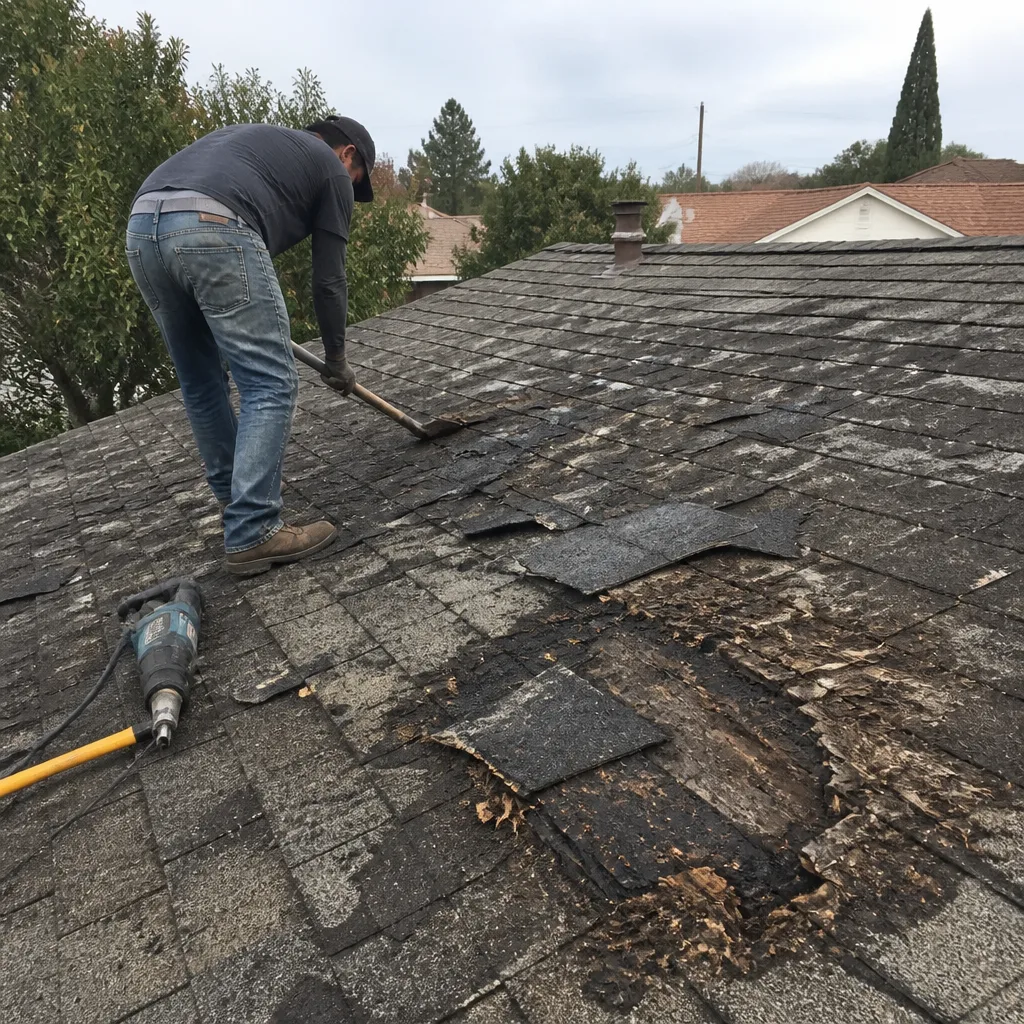 Before
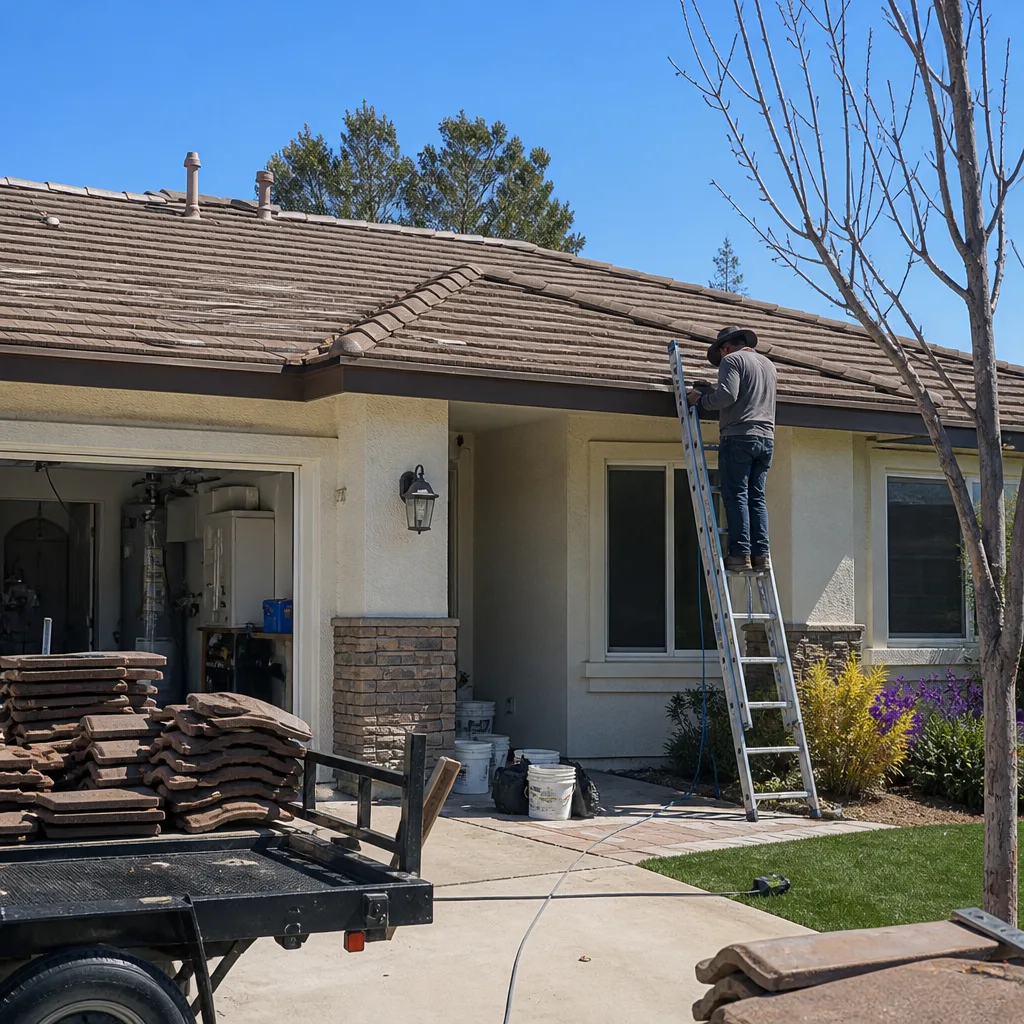 After
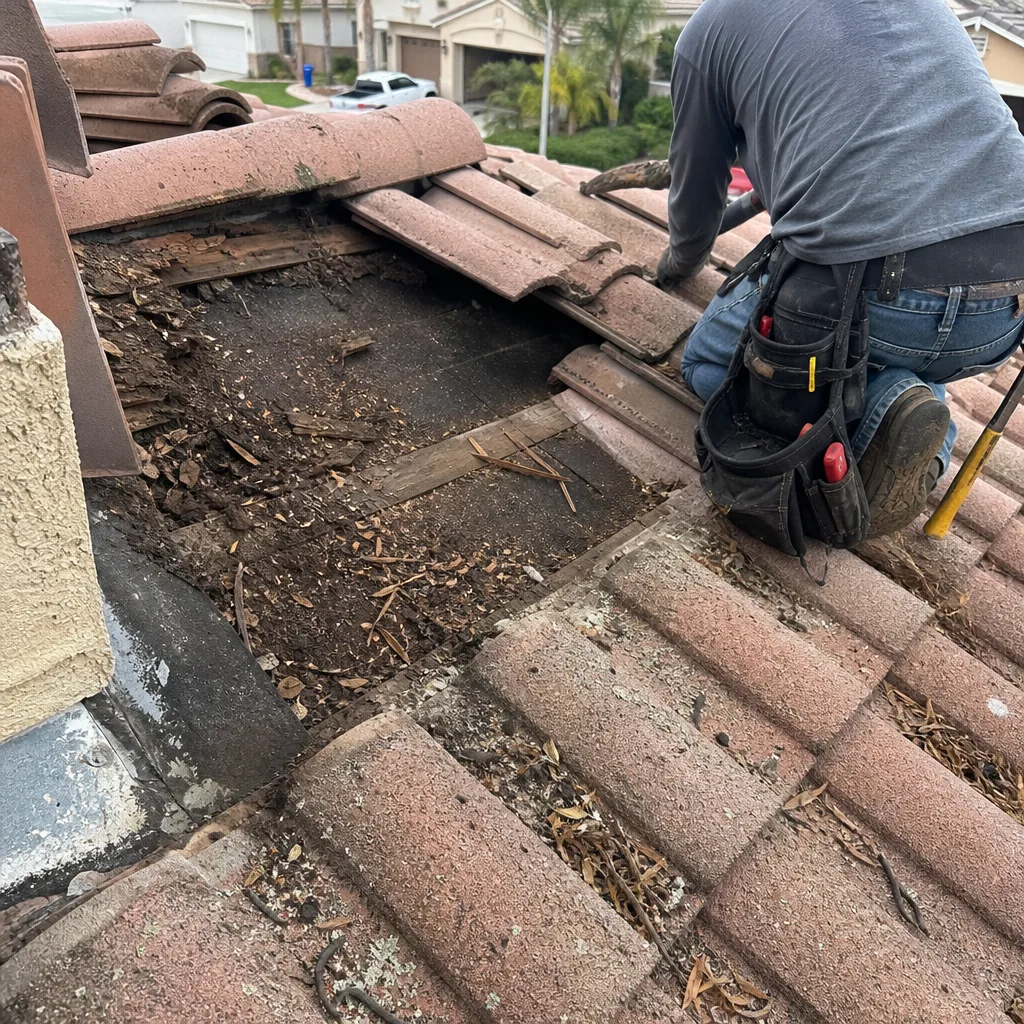 Before
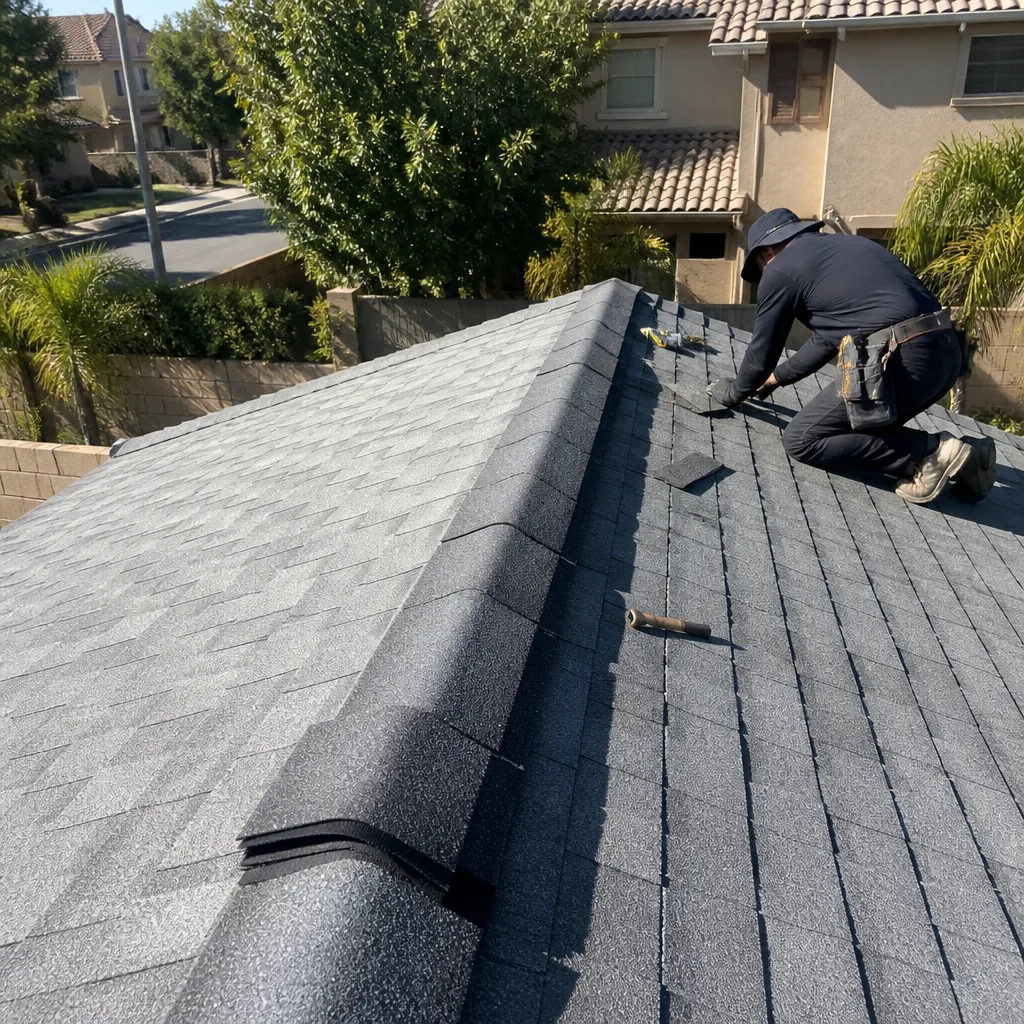 After
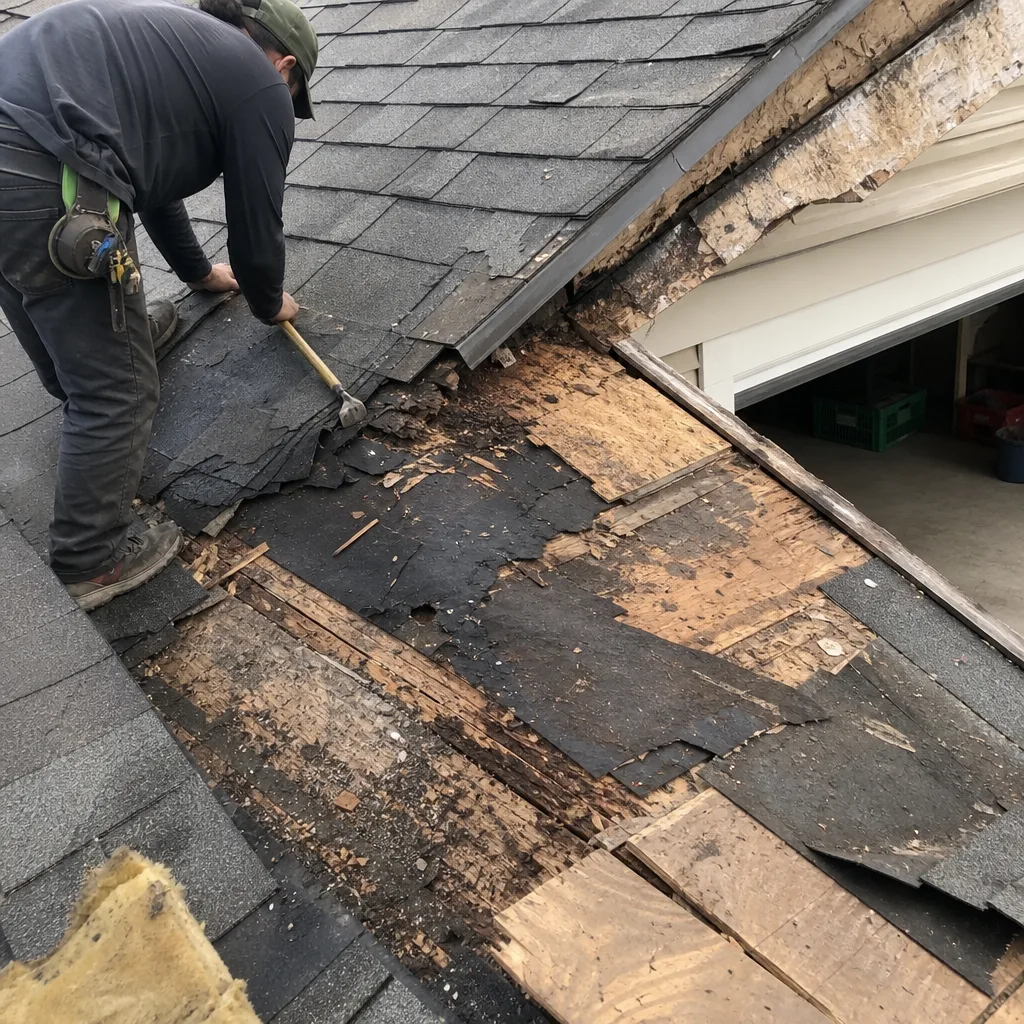 Before
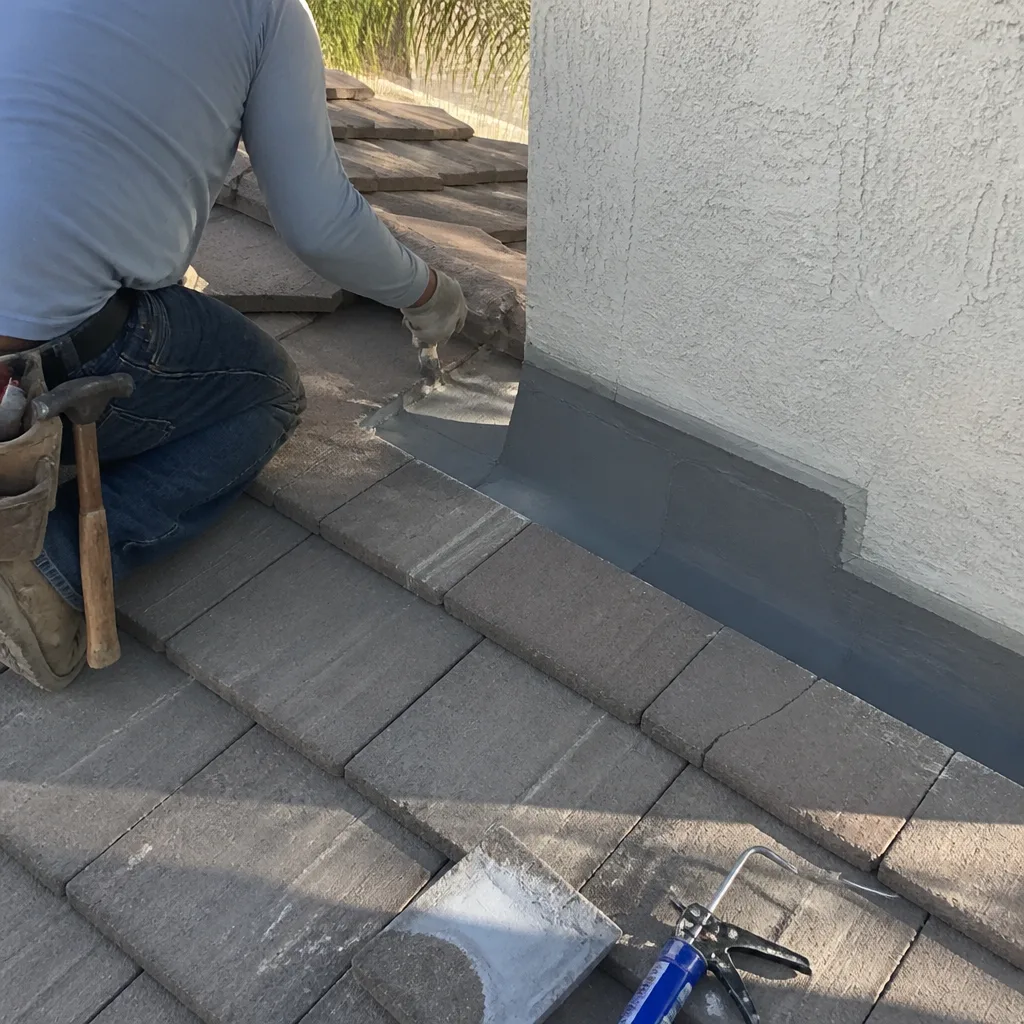 After