
Last updated October 30, 2026
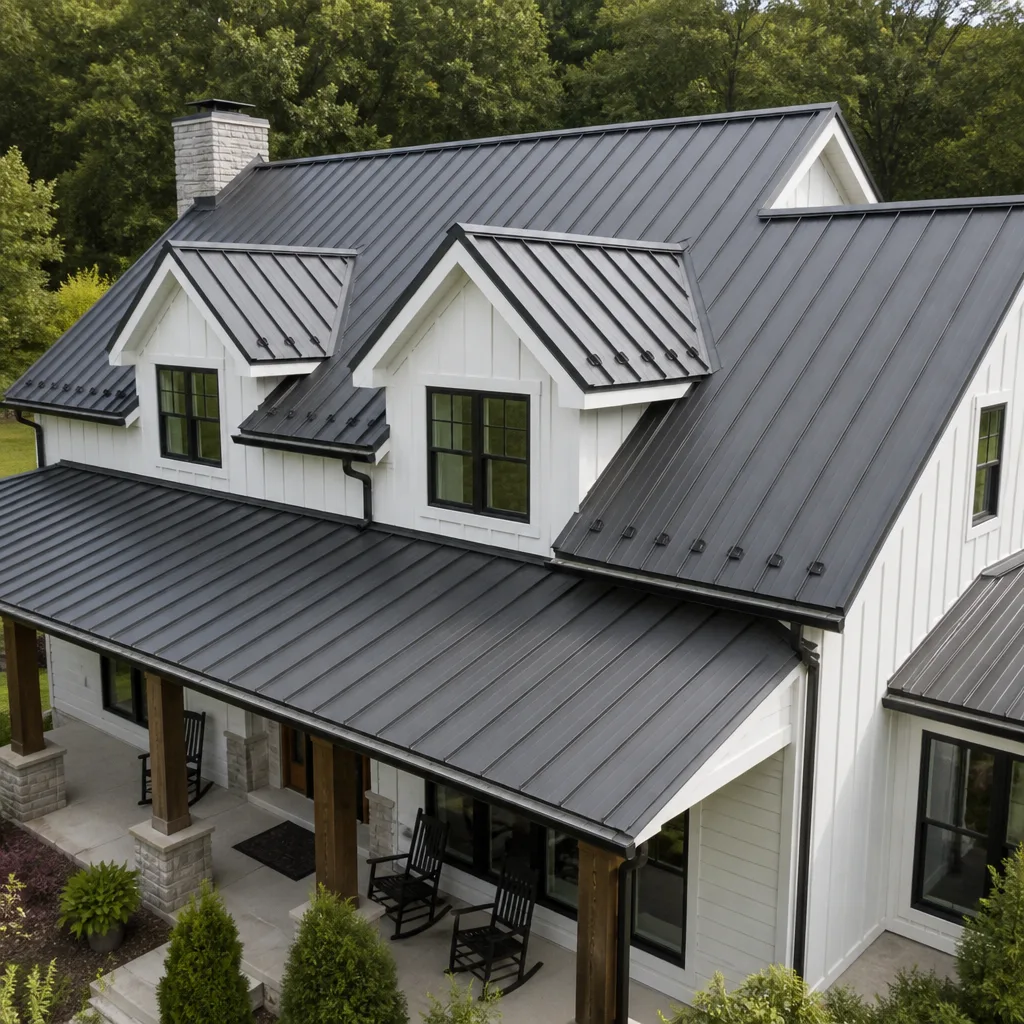 Metal roofing
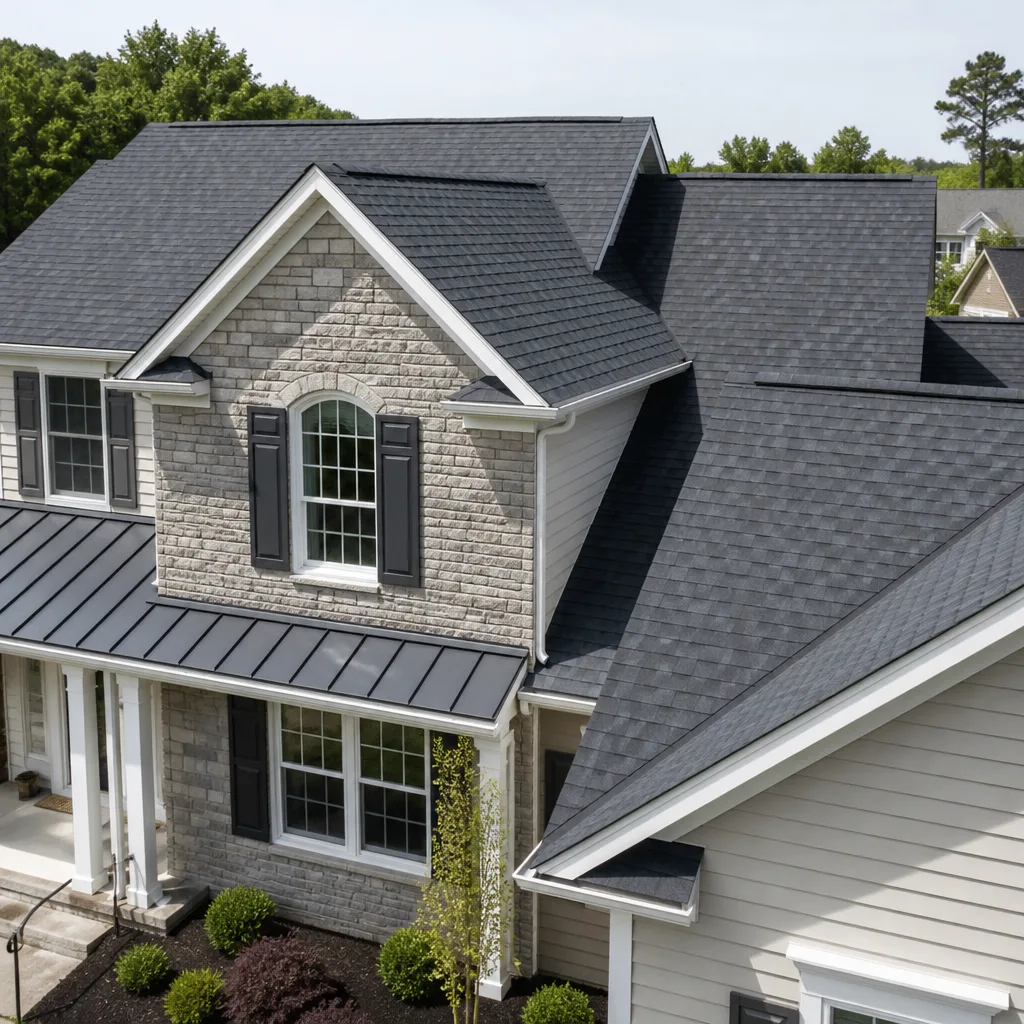 Architectural shingles
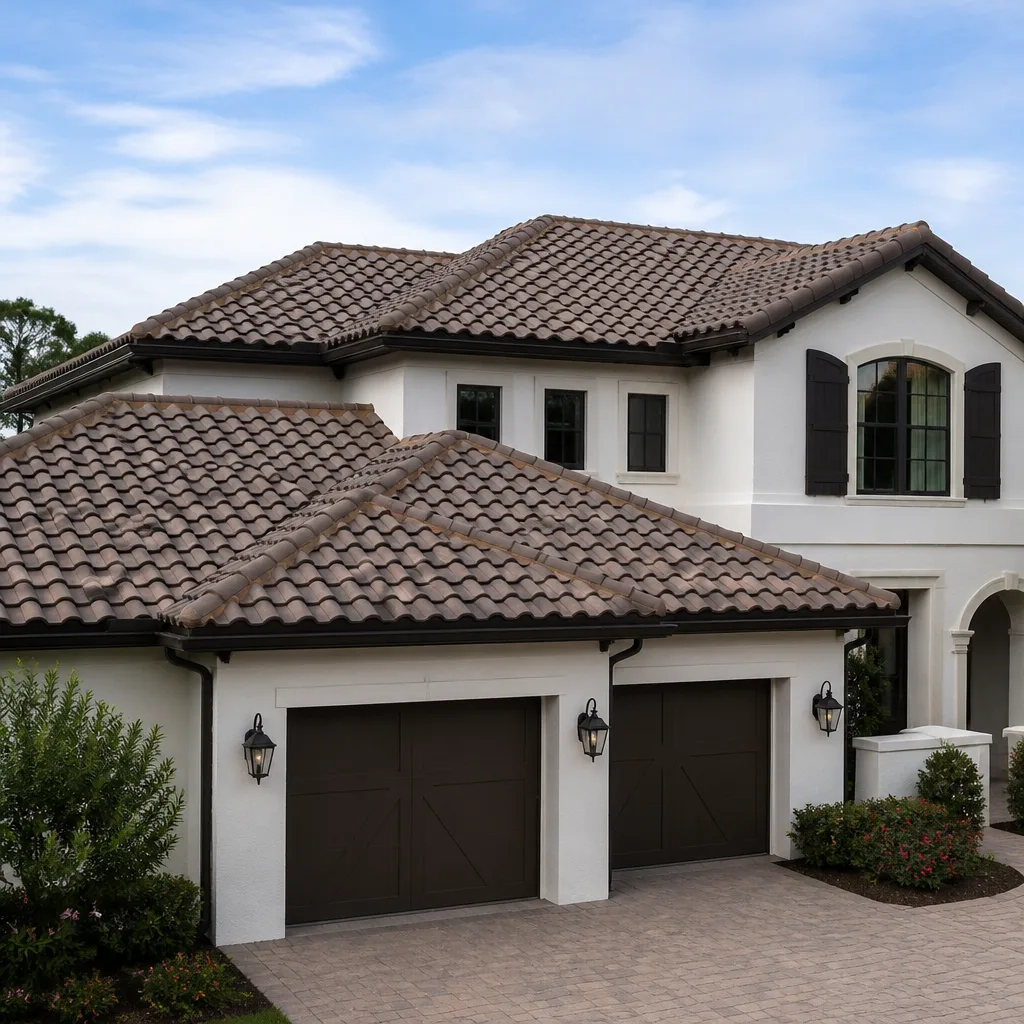 Tile roofing
 GAF
 Owens Corning
 Flat & low-slope
Free roof inspection with deck photos before we talk money - GAF and Owens Corning certified installation
DIY vs Professional Roofing: The Murrieta Homeowner’s Decision Guide
The conversation about DIY roofing almost always starts with cost. Fair enough – roofing is expensive, and Murrieta homeowners are pragmatic about protecting their budgets. But the conversation that matters more rarely happens: what happens to your insurance claim after an unpermitted repair, what a buyer’s inspector flags at resale, and what a 110°F roof surface does to a homeowner who underestimates the heat. This guide walks through the real calculus – financial, legal, physical, and insurance-related – so you can make a decision you won’t regret in 2027. For how to hire a roofing contractor in Murrieta, see our step-by-step guide.
Quick Answer
DIY roofing in Murrieta makes sense only for a narrow set of tasks: cleaning gutters, clearing debris from valleys, monitoring granule loss, and documenting visible damage with photos. Anything involving tile or shingle replacement, underlayment, flashing, or structural repair should be handled by a licensed C-39 roofing contractor – not because homeowners lack skill, but because California code, insurance underwriting, and home sale disclosure requirements create liability that far exceeds the labor savings.
Styles & brands we work with
Table of Contents
- The Legal Line: What California Actually Allows Homeowners to Do
- The Insurance Reality: How DIY Work Affects Your Coverage
- The Murrieta Climate Factor: Heat, Wind, and Wildfire Adjacency
- The True Cost of DIY When It Goes Wrong
- What a Capable Homeowner Can Legitimately Do
- Resale and Disclosure: The Paperwork That Protects You
- When to Call a Professional
The Legal Line: What California Actually Allows Homeowners to Do
California’s contractor licensing law is more permissive than most people assume, but the line is also more specific than most DIY guides acknowledge. Under the California Business and Professions Code, a homeowner can legally work on their own residence without a contractor’s license, provided they own and occupy the property and do the work themselves. You don’t need a C-39 roofing license to replace a few cracked concrete tiles on your own home in Murrieta.
That said, the permissive language ends where building codes begin. The California Building Code (adopted by the City of Murrieta with local amendments) requires permits for any roof work that involves replacing more than a small repair area, altering roof structure, replacing underlayment, or installing a new roof covering. A handyman replacing three tiles is one thing. A homeowner removing the entire tile field, replacing felt, and re-setting tiles is another – that’s a re-roof under code, and it requires a permit, inspections, and documentation.
Here’s the practical breakdown for Murrieta homeowners:
- Legally self-performable: replacing individual damaged tiles or shingles (small quantities), sealing minor flashing gaps with roofing cement, clearing debris, cleaning gutters, installing gutter guards.
- Requires a permit regardless of who does it: full underlayment replacement, re-roofing more than 25% of the roof area in a calendar year, any structural repair, any work involving roof decking replacement.
- Requires a C-39 licensed contractor: any work performed for compensation. If you hire a handyman from Nextdoor who isn’t licensed, both of you are exposed legally – and your insurance almost certainly won’t cover work done by an unlicensed person.
We’ve seen homeowners in Murrieta’s older neighborhoods – the original Greer Ranch and Vintage Reserve tracts – run into code issues on homes built before the city incorporated stricter wildfire-adjacent building standards. Roofs on those homes often have original underlayment that doesn’t meet current Title 24 requirements. A DIY tile replacement that ignores underlayment condition might pass a quick visual check, but a permit inspection would catch it.
The Insurance Reality: How DIY Work Affects Your Coverage
Here’s what most DIY roofing guides won’t tell you: California insurers have gotten increasingly rigorous about documentation since the 2017 – 2021 wildfire claims surge. When you file a claim for roof damage – wind, fire, water intrusion – the adjuster’s first question isn’t “what happened?” It’s “who did the last work on this roof?”
If the answer is “I did,” the adjuster will typically ask for:
- Photos of the damage before you started work
- Receipts for materials (to verify correct product for the roof type)
- Documentation of the repair scope (what exactly was done, when)
- Proof that the underlying issue – not just the visible symptom – was addressed
Undocumented DIY repairs create coverage gaps in three specific ways. First, insurers can deny a claim if they determine the damage resulted from improper installation or incomplete repair – and without documentation, “improper” is the default assumption. Second, progressive damage caused by a slow leak that you patched cosmetically is technically excluded from most policies, because the policyholder has a duty to mitigate properly. Third, work by an unlicensed contractor – even if you paid them – is frequently excluded entirely. A handyman who charges $800 to “fix” a flashing detail has created a coverage exclusion you’ll discover only when you file a $15,000 claim.
In our experience working with Murrieta homeowners after storm seasons, we’ve seen claims denied because a prior DIY repair obscured the evidence of the original damage. One homeowner in Murrieta Hot Springs patched a leak around a plumbing vent with silicone caulk, then filed a claim when the leak persisted into the ceiling. The adjuster flagged the caulk as a failed mitigation attempt and the claim became an uphill fight. A licensed contractor’s documented repair would have included photos, a scope of work, and a warranty – and the claim would have had a very different conversation.
The Murrieta Climate Factor: Heat, Wind, and Wildfire Adjacency
Working on a roof in Murrieta is not the same project as working on a roof in San Diego or Orange County. Murrieta sits inland, at roughly 1,100 feet of elevation, in a climate that produces summer days above 95°F regularly, with roof surface temperatures 30 – 40°F hotter than ambient air. A 95°F afternoon means a tile or shingle surface anywhere from 125°F to 140°F. That’s not “wear gloves” heat – that’s second-degree burn territory if you kneel or brace with bare skin.
The heat also affects materials in ways most DIY guides don’t address. Asphalt shingles get soft in high heat, and walking on them wrong can leave permanent impressions. Tile roofs – which dominate Murrieta’s newer neighborhoods – are brittle under thermal expansion cycles, and a homeowner stepping in the wrong place can crack more tiles than they’re replacing. Concrete tile holds heat well into the evening, so even a 7 PM repair session after work is happening on a surface that hasn’t cooled below 100°F.
Then there’s the Santa Ana factor. Murrieta gets strong east winds in the fall – the same winds that drive wildfire risk across the region. A homeowner who leaves a bundle of shingles, a roll of underlayment, or even just their tools unsecured on a roof during Santa Ana season is creating a hazard for their own home and their neighbors’. Professionals stage materials with wind in mind, working in sequence and securing everything at the end of each day.
And that’s before considering the physical risk. Working on a sloped roof is dangerous for trained professionals with harnesses, toe boards, and years of balance technique. For a homeowner with no fall-protection equipment, no ladder safety training, and no experience reading roof pitch, the injury risk is severe. The CDC’s data on ladder falls shows the highest injury rates among homeowners doing roof work, not professionals. A single emergency room visit for a fall can exceed the cost of hiring a Murrieta roofing contractor for the entire repair.
The True Cost of DIY When It Goes Wrong
The DIY roofing pitch is simple: materials cost X, labor doubles it, so do it yourself and save the labor. Here’s what actually happens when a DIY repair fails:
1. You pay for the original materials. Shingles, tiles, underlayment, sealant, tools you didn’t already own – tools being a hidden cost most people forget to include in their DIY budget.
2. The repair fails or doesn’t fully address the problem. Roof leaks are often not where they appear. Water travels along roof decking, sheathing, and trusses before it drips through the ceiling. A homeowner who patches the visible leak point has addressed maybe 30% of the problem. The actual entry point could be ten feet away at a valley, a flashing junction, or a nail pop under a ridge cap.
3. You pay a professional to diagnose the real issue. This is the step DIY guides leave out. When you eventually call a contractor, the first thing that happens – honestly – is a diagnostic process: checking the entire roof system, not just the area you patched. You’re paying for that diagnostic time regardless of whether they find the original issue in an hour or spend three hours tracing a leak path that your DIY work has obscured.
4. You pay to undo your DIY work. In many cases, the failed repair has to be removed before the real repair can happen. Silicone caulk over a flashing gap has to be scraped and cleaned. Shingles nailed in the wrong pattern have to be pulled. Your materials are now waste, and your time is gone, and the professional’s scope now includes demolition of your previous repair.
5. You pay for the water damage that happened while your patch was failing. If the leak persisted for six months before you discovered the patch didn’t work, you now have decking rot, insulation damage, and possibly mold remediation costs. That’s no longer a $400 DIY project – it’s a $4,000 – $8,000 professional scope.
The honest math, based on what we see in Murrieta, is that about one in three DIY roof repairs ends up costing more than the professional repair would have originally, once you factor in waste, rework, and hidden damage. About one in five creates a problem that’s meaningfully more expensive than the original scope would have been. The exceptions are genuinely simple jobs – replacing a single blown-off shingle within a week of it happening, with the correct matching shingle, with the correct nailing pattern.
What a Capable Homeowner Can Legitimately Do
We’re not anti-DIY. There’s a real category of roof maintenance that a capable Murrieta homeowner can do safely, effectively, and without creating liability. For a full breakdown, see our Roof Repair Maintenance Checklist for Murrieta Homeowners. Here’s the genuine scope, in order of value:
1. Gutter and Downspout Cleaning
Clogged gutters are one of the most common contributors to roof edge damage in Murrieta, especially in neighborhoods with mature trees like Maple Creek and The Orchard. When gutters overflow, water backs up against the fascia and travels under the roof edge, damaging decking and soffit. Cleaning gutters from a properly secured extension ladder – with the ladder tied off and a spotter if possible – is a legitimate homeowner task. Twice a year, minimum: once before the winter rain season, once after the spring leaf drop.
2. Valley and Drainage Path Inspection
After any significant rain or Santa Ana event, walk the perimeter of your home and look up. Are valleys clear of debris? Are there leaves piled against chimneys or skylights? Use binoculars if you have them. Document anything you see with photos, even if you don’t intend to act on it immediately – dated photos are the foundation of an insurance claim if a storm later causes damage.
3. Granule Loss Monitoring
If you have an asphalt shingle roof, check your gutters after rain. An accumulation of dark granules in the gutter means your shingles are shedding their protective coating, which is an indicator of aging. This is data, not a repair – and it’s exactly the kind of observation a homeowner can contribute during a professional Roof Inspection in Murrieta.
4. Debris Removal
Leaves, branches, and organic matter sitting on a roof trap moisture against the surface. On tile roofs, debris buildup in valleys can also hold water in place for days, accelerating underlayment degradation. Removing debris with a leaf blower from the roof surface – while standing on a stable ladder or using an extension – is reasonable homeowner maintenance. Do not walk on the roof. Do not use a pressure washer.
5. Photo Documentation
This is the highest-value DIY task available to any homeowner: document your roof’s condition over time. Take photos from the ground after significant weather events. Photograph any water stains inside your home with date stamps. If you ever file an insurance claim, this documentation establishes a timeline that supports your position. It costs nothing and takes ten minutes.
Everything else – flashing repair, underlayment work, tile re-setting, shingle replacement beyond single units, ridge cap work, vent replacement – crosses the line into work that should be done by a licensed contractor, documented, and warrantied. The line isn’t about capability. It’s about what happens downstream.
Resale and Disclosure: The Paperwork That Protects You
Murrieta is a city where people move for jobs, for schools, for military transfers from Camp Pendleton – and that mobility means homes change hands regularly. When you sell a home in California, you complete a Transfer Disclosure Statement (TDS) that asks, among other things, whether any work has been done on the property without proper permits. You also have a general duty under California Civil Code to disclose any material facts that could affect the value or desirability of the home.
Here’s the scenario that plays out more often than most homeowners expect: you do a DIY roof patch in 2025. It works fine. You sell in 2028. The buyer’s inspector walks the roof and flags the patch – either because the materials don’t match, the workmanship is visibly non-professional, or the repair doesn’t correspond to any permit record. The buyer’s agent asks questions. The buyer’s lender conditions the loan on resolving the issue. And suddenly you, the seller, are negotiating a credit or a repair under contract pressure, or facing a disclosure claim after the close.
The defense against every version of this scenario is documentation. A licensed Roof Repair in Murrieta contractor produces a work order, a scope of work, photos, sometimes a permit record, and sometimes a manufacturer warranty – the paper trail that answers a buyer’s inspector before they even ask the question. DIY work produces none of that.
Even if your DIY work is high quality – and plenty of Murrieta homeowners do work that’s functionally fine – it’s undifferentiated from poor DIY work in the eyes of an inspector or underwriter. There’s no license number to verify. No warranty to transfer. No way to distinguish “careful homeowner with roofing knowledge” from “person who watched a YouTube video.” In a market where buyers have leverage toward inspection Roof Replacement in Murrieta negotiations, the absence of documentation is itself a negotiating point.
This is the thesis of this entire guide, stated plainly: the cost savings of DIY roofing are measured in hundreds or low thousands of dollars. If you’re dealing with an active problem, our Roof Repair Troubleshooting Guide covers common issues and fixes. The liability risk is measured in disclosure obligations, insurance exclusions, and resale concessions. The math doesn’t favor the DIY route for anything beyond the maintenance tasks listed above.
When to Call a Professional
Some scenarios should trigger a professional call without hesitation. Any active leak that has reached the ceiling or walls. Any wind or storm damage affecting more than a few individual tiles or shingles. Any flashing failure around chimneys, skylights, or valleys. Any visible sagging, decking rot, or structural concerns. Any work involving underlayment, since underlayment is the waterproofing layer and errors there don’t show up until water is already inside the structure.
If you’ve discovered damage or you’re uncertain about the condition of your roof, a professional inspection is the highest-value next step. Rosewood Roof Repair offers free estimates in Murrieta – call (844) 900-4167 to schedule one. A proper inspection gives you an honest assessment of what needs work, what can wait, and what documentation you have on file for the inevitable future.
Frequently Asked Questions
Professional roof repair in Murrieta typically ranges from $350 to $2,500 depending on the scope: a simple tile replacement or small shingle patch runs $350 – $750, a flashing repair around a chimney or skylight runs $900 – $1,800, and any repair involving underlayment replacement or decking work starts around $1,800 and goes up from there. The variance depends on roof access, pitch, material type, and the extent of the underlying issue. Call (844) 900-4167 for an exact quote – estimates are free.
No. A handyman without a C-39 roofing contractor’s license cannot legally perform roofing work in California beyond a very narrow scope of minor repair under the small-project exemption, and the exemption limit in California is $500 per project including labor and materials. Anything above that threshold requires a licensed contractor. Beyond the legality, work by an unlicensed person almost always voids the manufacturer’s product warranty and is frequently excluded from homeowner’s insurance coverage.
Replacing a small number of individual broken tiles does not require a permit in Murrieta, provided the repair is limited to the surface tiles and does not involve underlayment, decking, or structural work. Once the scope expands to underlayment replacement, re-roofing more than 25% of the roof, or any structural modification, a permit is required. If you’re not sure where your project falls, the City of Murrieta Building Division can advise, or a licensed contractor can make the determination during a free inspection.
Generally, no. Homeowner’s insurance covers sudden and accidental physical damage from covered perils such as wind, hail, or fire – not losses caused by improper maintenance, faulty repair work, or progressive water intrusion over time. If an insurer determines that damage resulted from a DIY repair that was incomplete or improper, they can deny the related claim. Even when the original damage was a covered peril, failed mitigation by an unlicensed person can complicate or void the claim.
Small repairs such as individual tile replacement or a single-flashing fix commonly take 2 to 4 hours on site. Moderate repairs involving sections of damaged underlayment take half a day to a full day. Larger scopes such as re-laying entire roof sections or correcting widespread flashing problems can run 2 to 3 days. Weather is always a variable in Murrieta – summer heat sometimes pushes work to earlier starts, and rain delays winter schedules. Ask any contractor for a time estimate as part of your quote.
A professional roofing contractor in California should provide a written scope of work, a written estimate or contract, proof of licensing and insurance upon request, and post-work documentation including photos, a final invoice, and warranty information. If the work requires a permit, the contractor should pull the permit, name you as the owner on the permit, and close the permit with an inspection sign-off. This documentation is what protects you at resale and during insurance claims. Any contractor who offers to do substantial roof work without permits or without a written contract is a red flag.
See the difference
 Before
 After
 Before
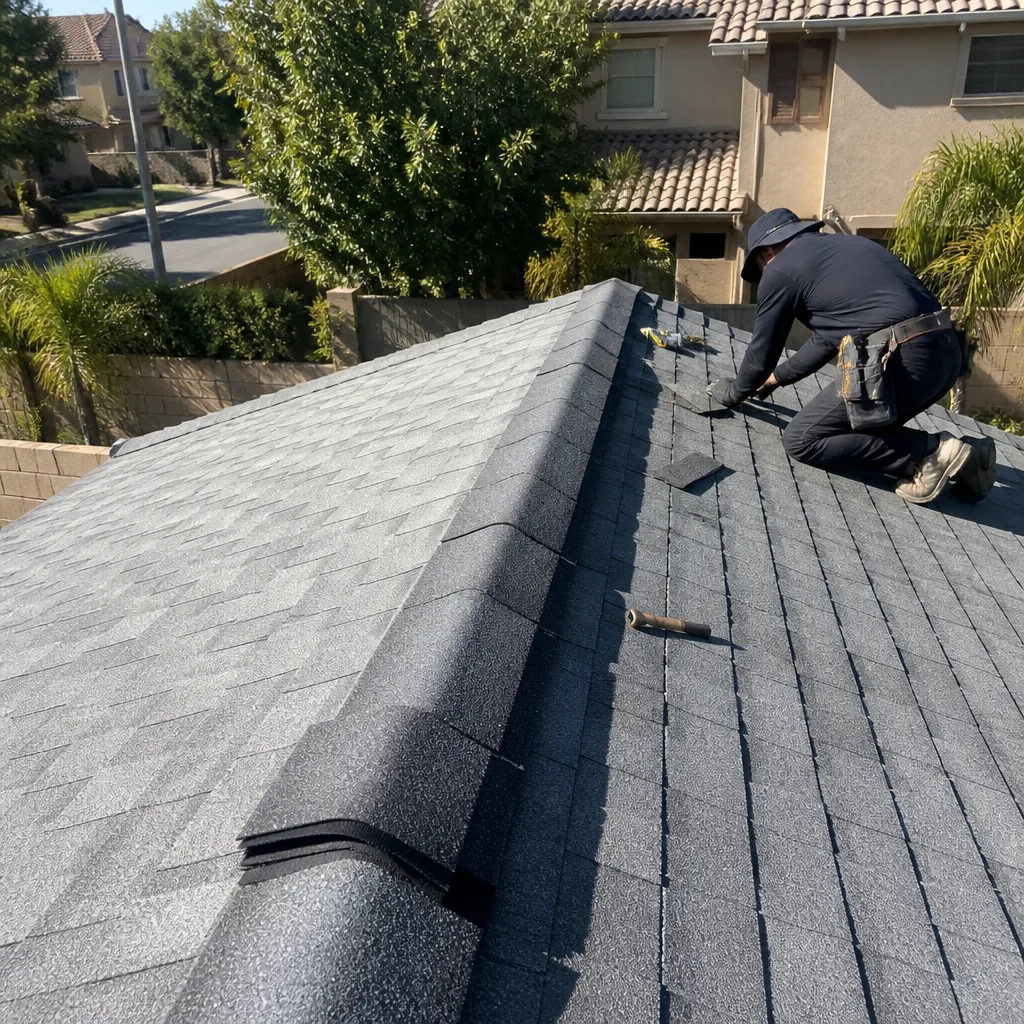 After
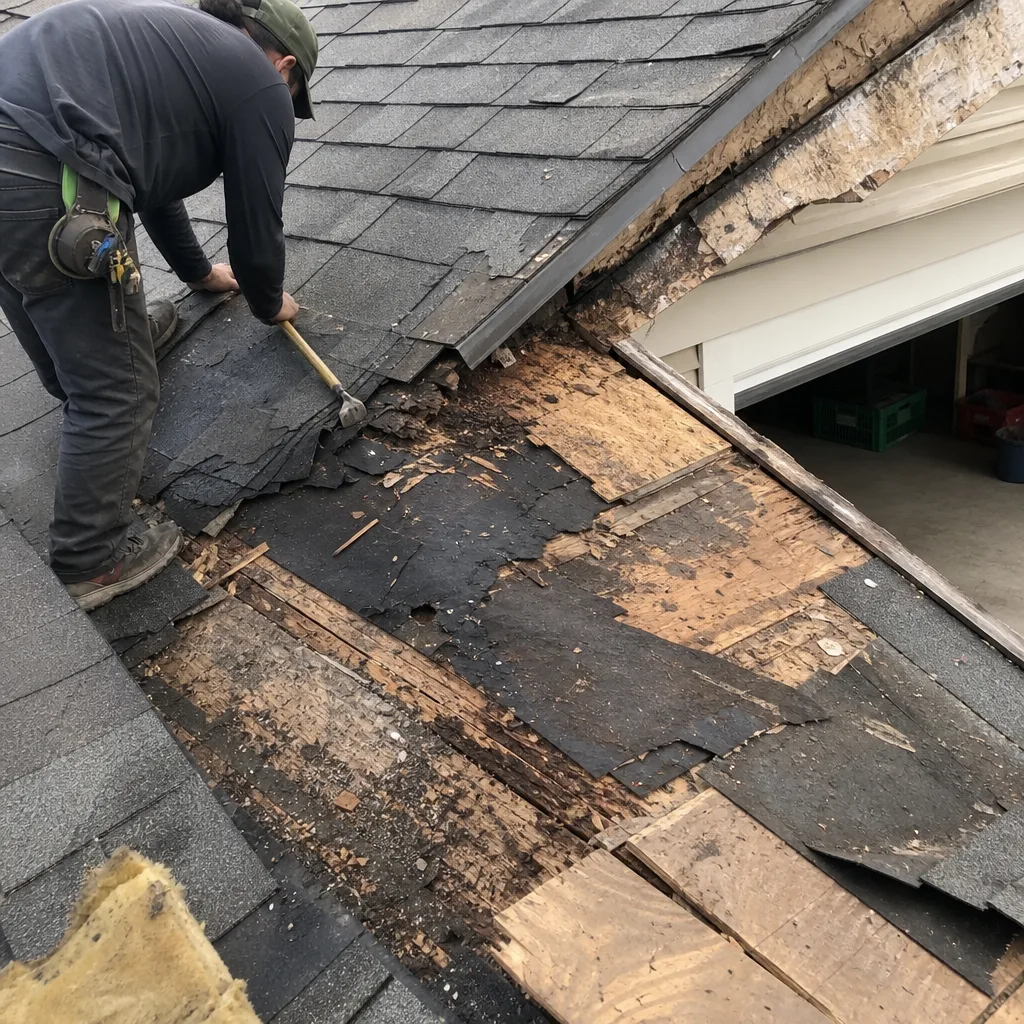 Before
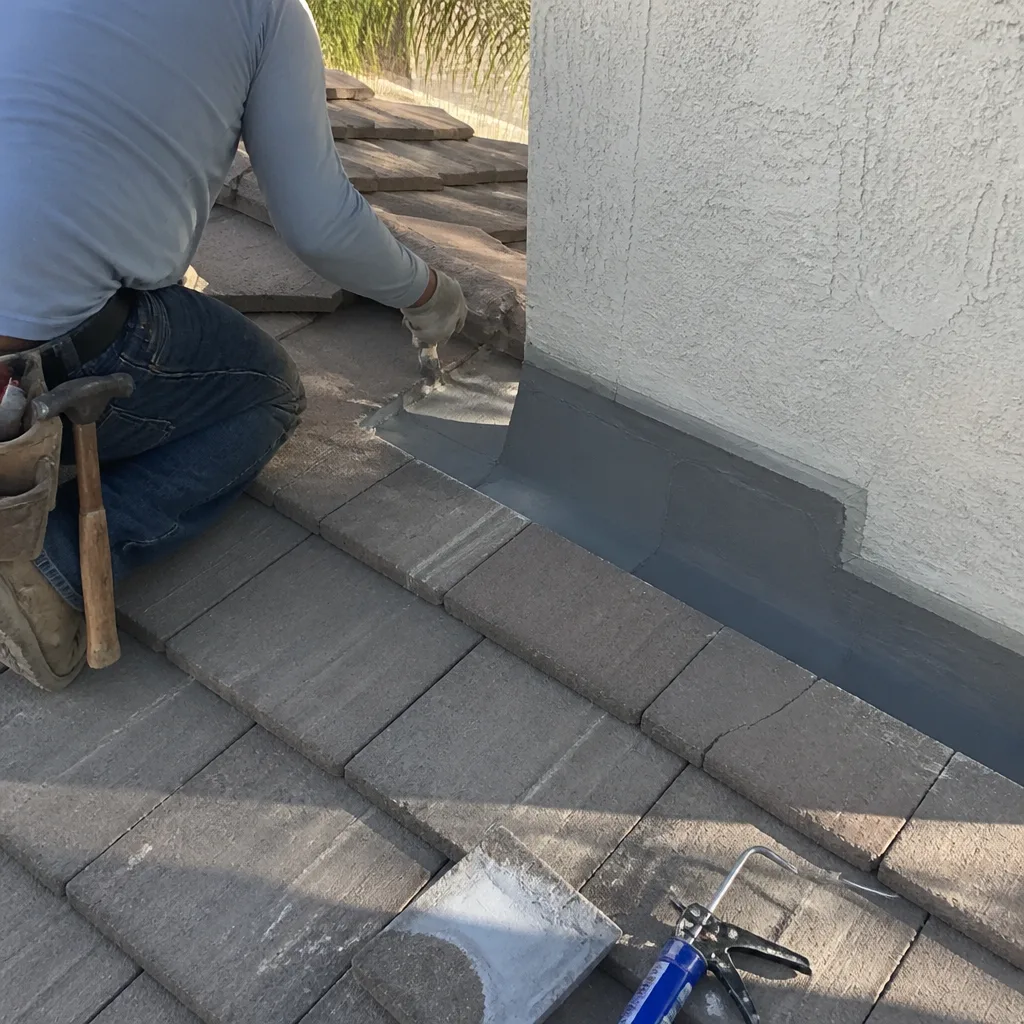 After
Common Mistakes to Avoid
- Patching over a leak without finding the entry point. Water travels along the roof deck and the visible leak inside your home is often far from the actual breach. A patch on the visible spot leaves the real problem open.
- Using silicone caulk on flashing gaps. Silicone is a temporary sealant that degrades under UV exposure and temperature cycling, both of which Murrieta has in abundance. Proper flashing work requires metal work, not sealant.
- Walking on a tile roof without load distribution. Concrete tiles crack under concentrated foot pressure. Professionals walk tile roofs with weight-spreading techniques that protect the tiles – a homeowner walking casually will almost always crack more than they fix.
- Skipping the permit for substantial work. Unpermitted underlayment or re-roofing is a disclosure obligation at sale and can create insurance complications. The few hundred dollars of permit fees are the cheapest form of liability protection available.
- Hiring an unlicensed “roofing guy” from a local recommendation. The recommendation is often genuine, but the liability exposure is all yours. Confirm C-39 licensure with the CSLB before anyone steps onto your roof.
- Working on a roof in Murrieta summer heat without understanding the surface temperature. Roof surfaces reach 130°F+ on summer afternoons. This is a real burns-and-heat-exhaustion risk, not a comfort issue.
- Failing to document professional work. Keep every invoice, every warranty, every inspection report. This paper trail is what protects you at claim time and resale time.
The Bottom Line
The DIY vs professional decision for Murrieta roofing comes down to whether the task is maintenance or repair. Maintenance – gutters, debris, observation, documentation – is legitimately yours to do. Repair – anything that touches the water-shedding systems of the roof – carries liability that erases the savings. A professional repair is cheaper than a failed DIY repair plus the rework plus the water damage. And the documentation a licensed contractor provides is the difference between a clean sale and a messy disclosure negotiation. For Murrieta homeowners, that’s the whole answer.
About the Author
Written by the team at Rosewood Roof Repair, serving Murrieta since 2014.
Rosewood Roof Repair is a roofing-only contractor serving the Murrieta area with inspection, repair, and full replacement services. The company installs and services materials from GAF, CertainTeed, and Owens Corning, among seven brands, giving homeowners access to manufacturer-backed warranties and material options across price tiers. Rosewood Roof Repair home | Call (844) 900-4167 to schedule a free estimate.