
Last updated October 30, 2026
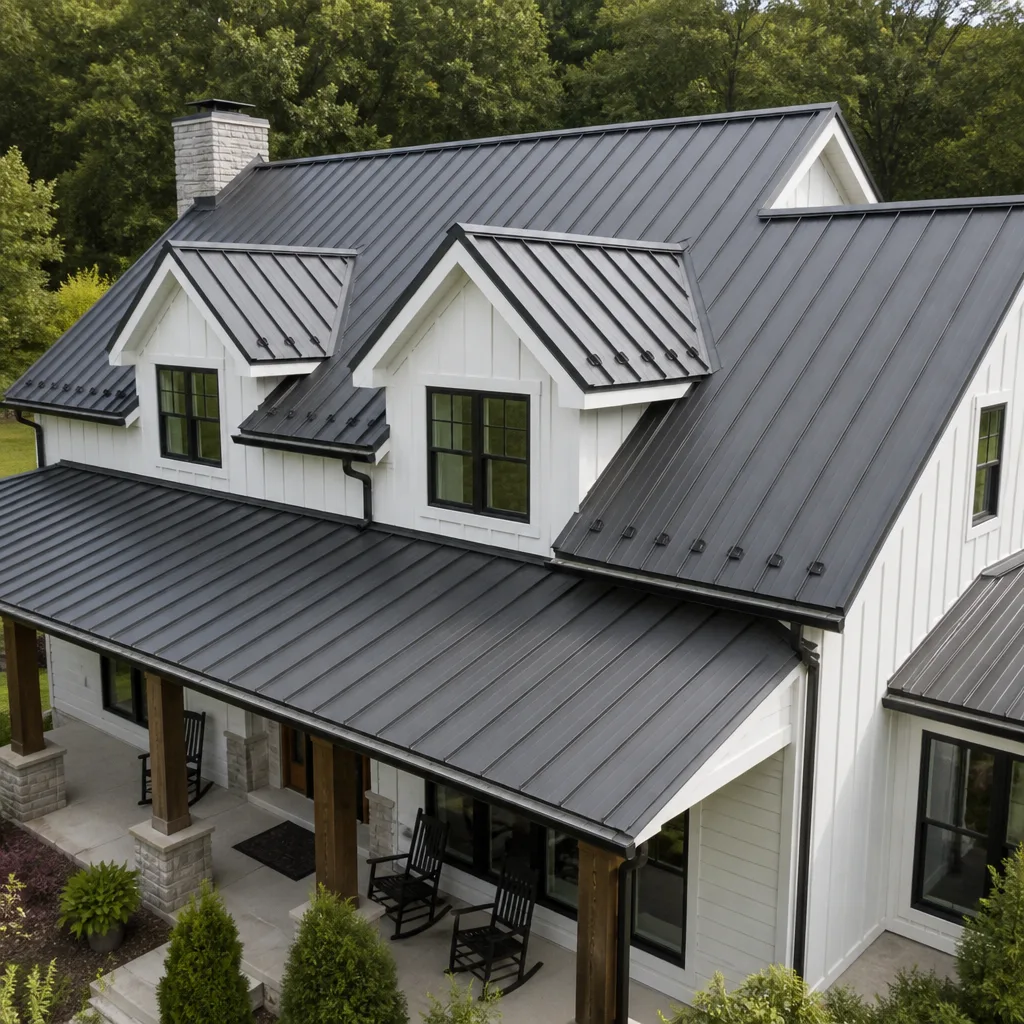 Metal roofing
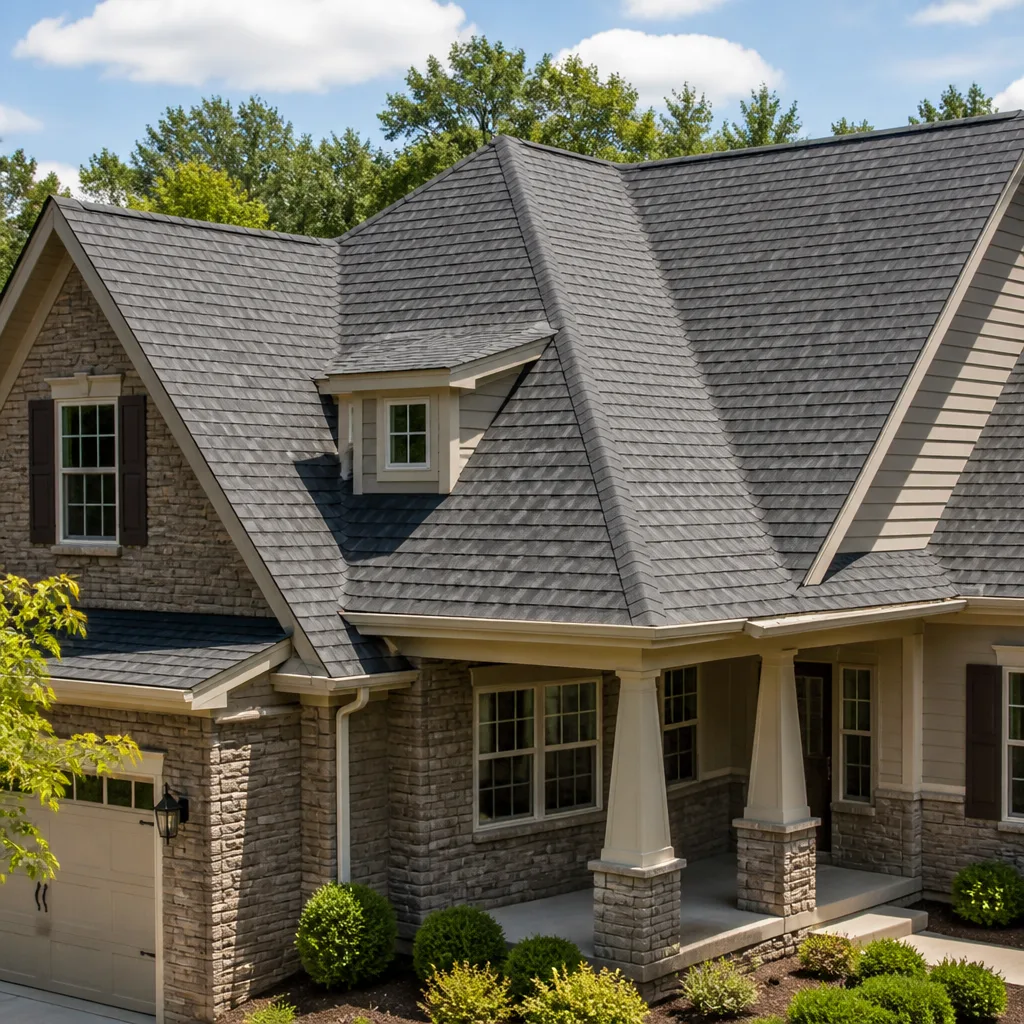
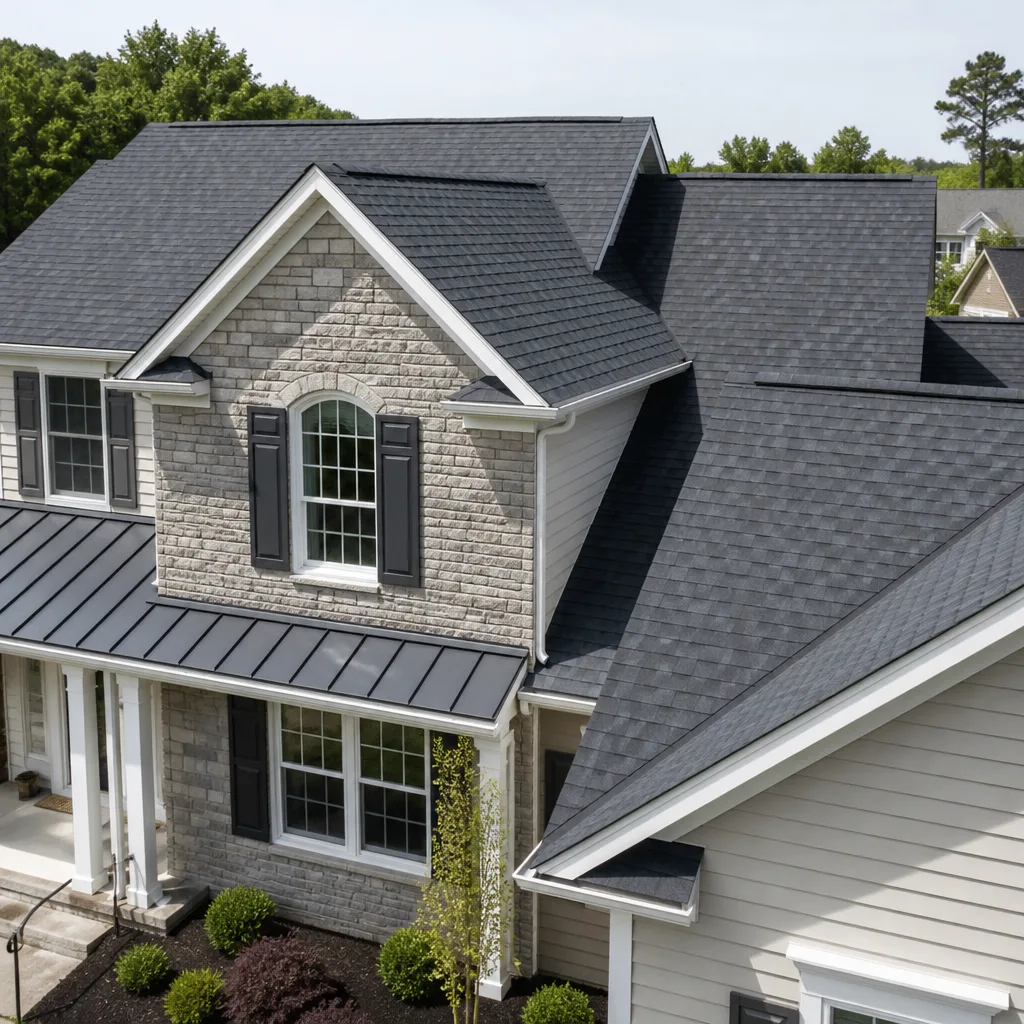 Architectural shingles
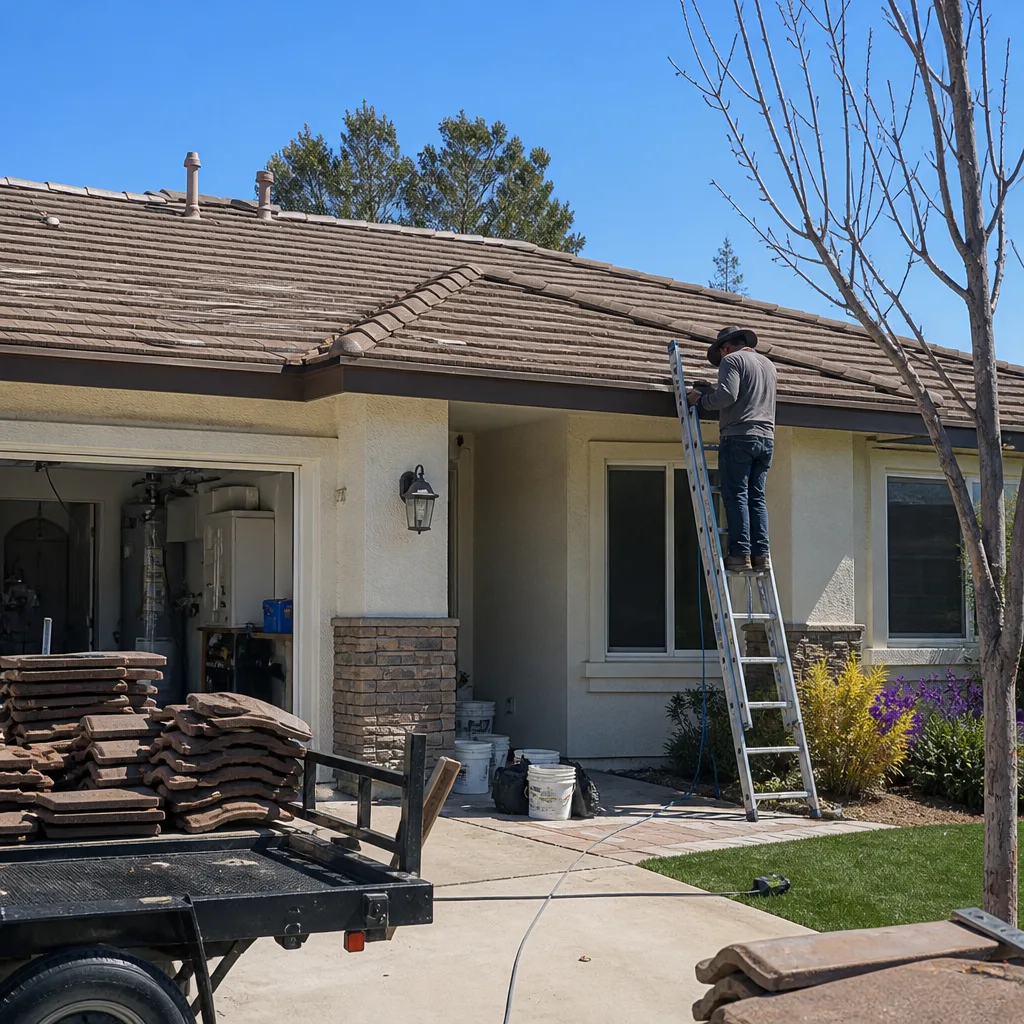
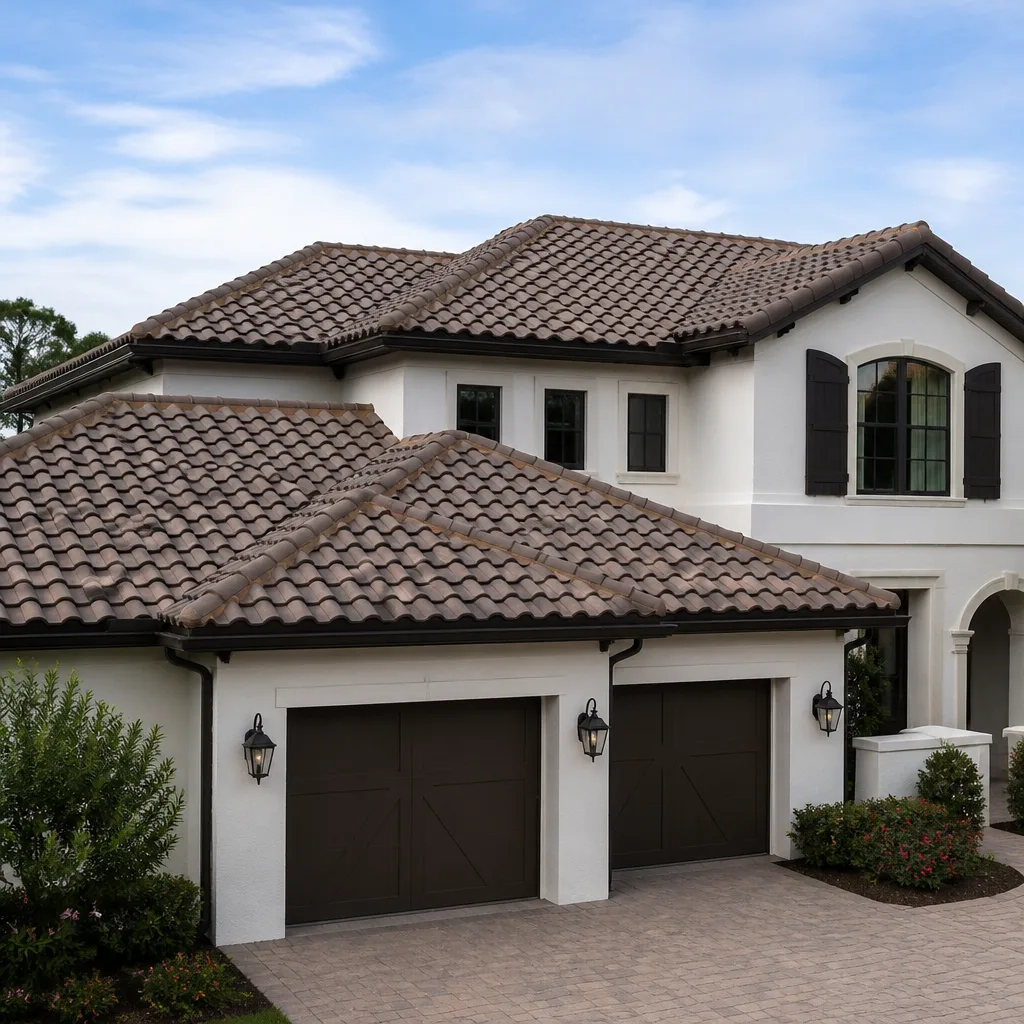 Tile roofing
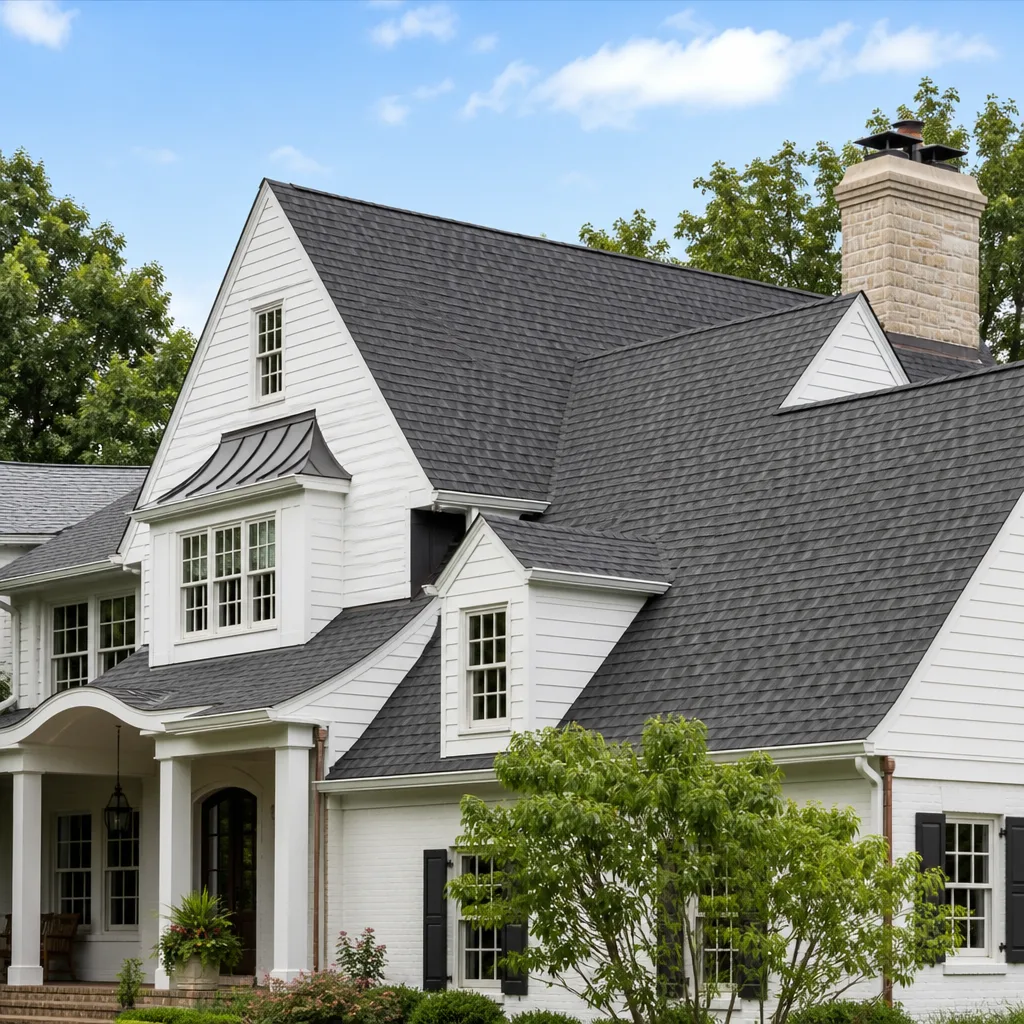 GAF
 Owens Corning
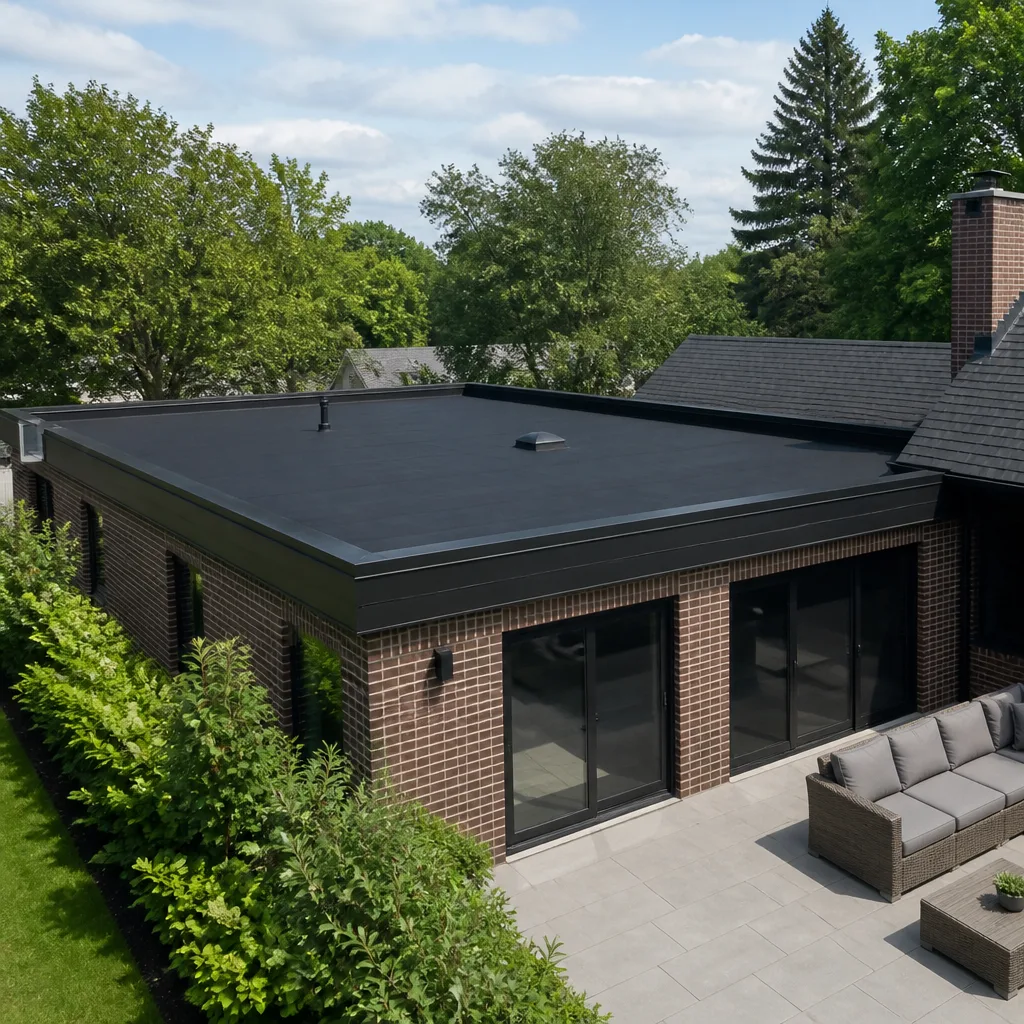 Flat & low-slope
Free roof inspection with deck photos before we talk money - GAF and Owens Corning certified installation
Roofing Cost Breakdown: The Murrieta Homeowner’s Reference for 2026
Two Murrieta homeowners with identical 2,000-square-foot roofs can receive estimates that differ by $4,000 – and both estimates can be completely legitimate. The difference almost always lives in two line items: underlayment grade and flashing scope. If your estimate doesn’t break those out, you can’t compare bids at all. This guide walks you through the five cost categories every Murrieta roofing estimate should itemize, the 2026 market ranges for each, and how material tier selection across our seven-brand portfolio changes what you’ll actually pay. For Roofing Warning Signs: A Murrieta Homeowner’s Reference Guide, see our related resource. By the end, you’ll be able to read a roofing bid the way a specialist reads it – line by line, knowing exactly what you’re buying and what you’re not.
Styles & brands we work with
Quick Answer
A full roof replacement in Murrieta for 2026 typically runs between $11,500 and $28,000 for a standard 2,000-square-foot home with composition shingles, with most homeowners landing in the $14,000 to $19,000 range. The final number breaks into five categories: tear-off and disposal ($2,000 – $4,500), underlayment ($1,200 – $3,600 depending on grade), field material ($4,000 – $9,000 depending on shingle tier), flashing and penetrations ($1,500 – $4,000), and labor ($3,500 – $7,000). Tile roofs in Murrieta run significantly higher – typically $22,000 to $45,000 – due to material weight, specialized installation, and decking reinforcement requirements common on Murrieta’s hillside builds.
Table of Contents
- The Five Cost Categories Every Murrieta Estimate Should Itemize
- How Material Tiers Affect Your Total: From Tamko to Boral
- Murrieta-Specific Cost Variables: Pitch, Weight, and Permits
- How to Evaluate a Low Bid: The Three Line Items That Get Cut
- Financing and Phasing: What Can Wait, What Can’t
- Warranty Math: What You’re Actually Buying With Each Tier
- Common Mistakes to Avoid
- When to Call a Professional
- Frequently Asked Questions
- The Bottom Line
The Five Cost Categories Every Murrieta Estimate Should Itemize
Most roofing quotes show up as one number at the bottom of a page. That’s a problem. A single-number quote tells you nothing about what you’re actually paying for – and it makes comparing two bids nearly impossible. Every roofing project in Murrieta breaks into five distinct cost categories, and each one has its own market drivers, material choices, and legitimate range. A specialist’s estimate itemizes all five. Here’s what each category covers and what you should expect to see in 2026.
1. Tear-Off and Disposal ($2,000 – $4,500)
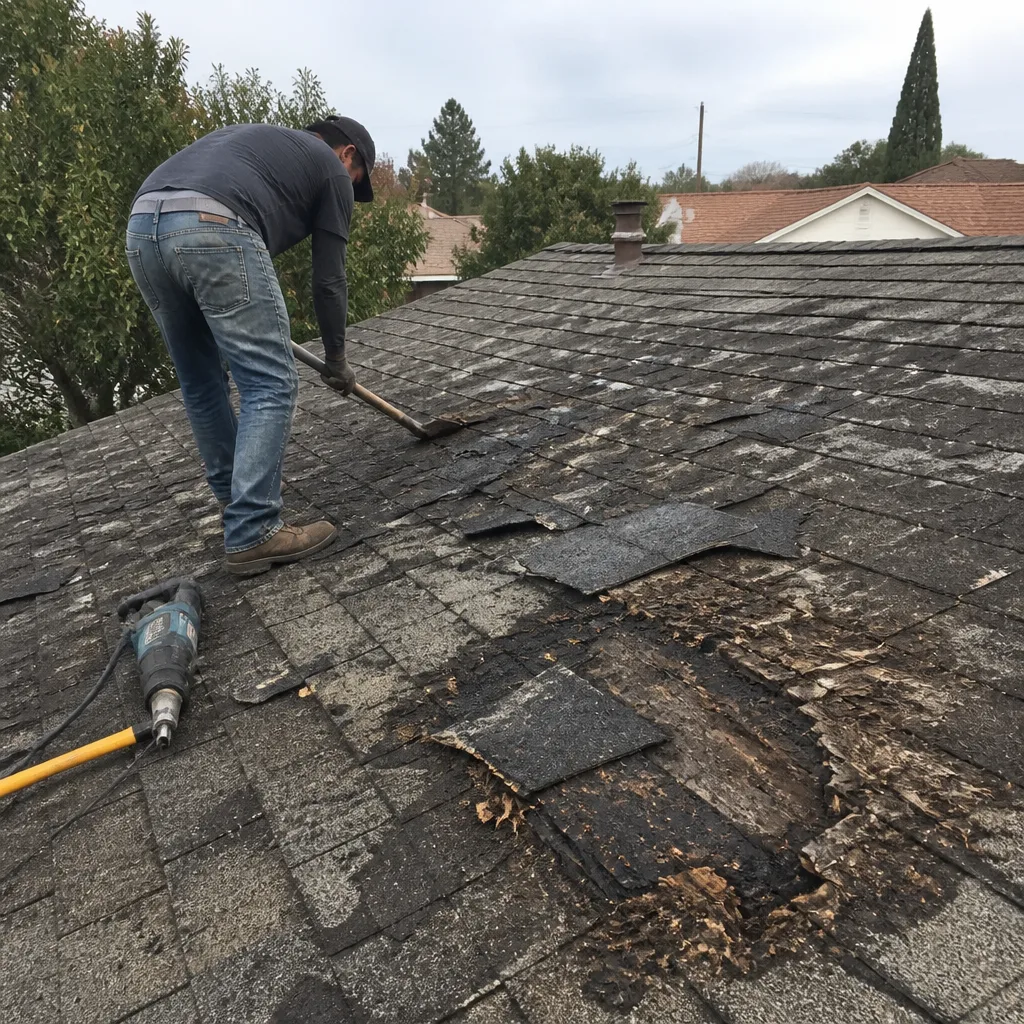
Before anything new goes on, the old roof has to come off. Tear-off costs in Murrieta run on the higher side of Southern California averages because of county disposal fees at Riverside County waste facilities and the logistics of navigating tighter hillside streets with debris trailers. For a standard single-story 2,000-square-foot roof, expect 1 to 2 days of tear-off labor plus dumpster or trailer fees. Two layers of old roofing – common on Murrieta homes built in the 1980s and 1990s – can add $800 to $1,500 to this line item because the crew is removing and hauling roughly double the material weight.
2. Underlayment ($1,200 – $3,600)
This is the line item most homeowners have never heard of, and it’s the one most commonly downgraded on low bids. Underlayment is the water-shedding barrier between your decking and your shingles or tile. Standard 30-pound felt runs about $0.20 – $0.35 per square foot installed, while synthetic underlayment – which resists tearing, handles UV exposure better during installation, and carries better warranty terms – runs $0.45 – $0.75 per square foot. On a 2,000-square-foot roof with 20% waste factor, that’s a $1,200 to $3,600 line item depending on grade. In our experience across Murrieta, synthetic underlayment is the single most cost-effective upgrade a homeowner can make. It’s not glamorous, but it’s the difference between a roof that leaks at year two and one that doesn’t.
3. Field Material ($4,000 – $9,000 for Shingle; $14,000 – $28,000 for Tile)
Field material is the visible surface – the shingles, tile, or stone-coated steel covering the roof plane. This is where brand and tier selection moves the needle most. Composition shingle from value-tier manufacturers like IKO or Tamko starts around $110 – $150 per square (100 square feet) for materials only. Mid-tier architectural shingles from Owens Corning or CertainTeed run $160 – $220 per square. Premium lines – CertainTeed’s Grand Manor, GAF’s Grand Sequoia, or Boral’s concrete tile – can exceed $400 per square in materials alone. For a 2,000-square-foot roof, that’s a $4,000 to $9,000 spread on shingles, or $14,000 to $28,000 for tile, before you factor in labor differences. We’ll break tiers down further in the next section.
4. Flashing and Penetrations ($1,500 – $4,000)
Every pipe, vent, chimney, skylight, and valley in your roof requires flashing – metal that redirects water away from the joint. This is the second line item most commonly cut on low bids. Standard galvanized flashing around a few penetrations might total $1,500 on a simple roof. A Murrieta home with three dormers, a chimney, two skylights, and a plumbing stack could run $3,500 to $4,000. The scope matters. If an estimate doesn’t specify how many penetrations are flashed, how many feet of valley metal is included, and what gauge steel is used, it’s not a real flashing estimate.
5. Labor ($3,500 – $7,000)
Labor runs $350 – $700 per square for tear-off and installation combined, with the range driven by roof pitch, complexity, and crew expertise. Murrieta’s mix of flat 1970s tract homes and steep hillside builds means labor can swing dramatically from one street to the next. A simple 4/12 pitch roof on a flat lot in the Mapleton area takes two or three days. A 7/12 pitch on a hillside lot near Copper Canyon takes four to five and may require safety harness setups and staging areas. That time difference is legitimate. Steeper roofs are slower, more physically demanding, and require more safety infrastructure – all of which shows up in the labor line.
How Material Tiers Affect Your Total: From Tamko to Boral
The single biggest decision in your roofing estimate is which material tier you buy into. We carry seven major brands – GAF, CertainTeed, Owens Corning, IKO, Atlas, Tamko, and Boral – so you can choose the product tier and warranty that fits your budget, not just whatever the contractor stocks. Here’s how the tiers actually play out on a 2,000-square-foot Murrieta roof in 2026.
Entry-Level Composition ($11,500 – $14,000 total)
Entry tier means basic three-tab or thin architectural shingles from value-focused manufacturers like Tamko or IKO. These roofs are code-compliant and will shed water, but the shingle itself is thinner, the granule layer is lighter, and the warranty is typically limited – often 20 to 30 years on paper with sharp proration after year 10. Entry-tier composition makes sense for a rental property you plan to sell within 5 to 7 years, or a home you’re preparing for market. It’s a legitimate product, but it’s the tier most sensitive to installation quality.
Mid-Tier Architectural ($14,000 – $19,000 total)
This is where most Murrieta homeowners land, and for good reason. Architectural shingles from Atlas, CertainTeed, or Owens Corning run 30 to 45 percent thicker than entry-tier, with dimensional profiles that hold granules better and stand up to Murrieta’s summer heat without degrading as quickly. Warranty terms step up meaningfully – many mid-tier lines carry lifetime limited warranties with 10 to 15 years of non-prorated coverage. The installed cost difference between entry and mid-tier is typically $2,500 to $5,000 on a standard Murrieta home. Spread over a 25-year ownership horizon, that’s $100 to $200 per year. In our experience, it’s the best value point in the market for a homeowner who plans to stay put.
Premium Composition ($19,000 – $28,000 total)
Premium lines – GAF’s higher-end architectural lines, CertainTeed’s Belmont or Grand Manor, Owens Corning’s Woodcrest or Berkshire – are substantially heavier shingles with thicker granule layers, stronger wind ratings, and longer non-prorated warranty windows. Some carry 15 to 20 years of non-prorated coverage. These roofs also look different. The dimensional profile is deeper, the color blending is richer, and on a Murrieta street where most neighbors have mid-tier architectural, the elevation is noticeable from the curb. If you’re planning a long stay and want curb appeal plus top-tier wind performance – relevant for Murrieta’s seasonal Santa Ana winds – premium composition earns its price.
Tile and Stone-Coated Steel ($22,000 – $45,000+)
Boral concrete tile and premium clay tile are a step change in both price and longevity. These roofs routinely last 50 to 75 years in Murrieta’s climate. The material cost is higher, but the bigger variable is structural: tile weighs 600 to 1,000 pounds per square versus 200 to 400 for composition, which often triggers decking reinforcement (see the next section). Stone-coated steel from Boral’s steel lines sits between premium composition and tile on price, with a 50-year warranty and significantly lower weight than tile. If you want the longevity of tile without the structural question, stone-coated steel deserves a serious look – and it’s a conversation most single-brand roofers won’t initiate because they don’t carry it.
Murrieta-Specific Cost Variables: Pitch, Weight, and Permits
Same square footage, same materials, two different homes in Murrieta – and the estimates come in $4,000 apart. Here’s why. Murrieta’s geography and Riverside County code create cost variables that generic roofing guides miss. These are the line items you should expect on any honest Murrieta estimate.
Steep-Pitch Surcharges on Hillside Builds
Murrieta’s hillside neighborhoods – think Copper Canyon, Greer Ranch, and the slopes around Bear Creek – frequently have roof pitches of 6/12 or steeper. A roof pitch above 6/12 adds labor surcharges of 15 to 35 percent because crews move slower on steep planes, need safety harness systems and roof brackets, and material staging takes longer. On a $9,000 labor line, a steep-pitch surcharge is $1,350 to $3,150. That’s real money, and it’s a legitimate cost – not a contractor padding the bid. Flat-lot homes in the 92562 corridor or off Clinton Keith Road rarely see this surcharge because their pitches sit at 4/12 or 5/12.
Tile Weight Surcharges and Decking Reinforcement
Concrete tile weighs roughly four times what composition shingles weigh. If your Murrieta home was built with composition and you’re upgrading to tile, the original decking and truss spacing may not meet Riverside County’s structural requirements for tile loads. Reinforcement – typically adding decking sheets, sometimes adding truss bracing – can run $2,000 to $6,000 depending on scope. A specialist checks the truss spacing and decking condition during estimate and tells you up front, not after the project is underway. If a tile estimate seems suspiciously low, the contractor likely skipped this structural review.
Riverside County Permit Fees
Roof replacement in Murrieta requires a building permit through Riverside County. Permit fees for a standard residential reroof run $350 to $750, and the contract should list the permit line item separately. Inspections happen at two stages – after tear-off and after final installation – and the specialist coordinates both. Some contractors fold the permit fee into the total without listing it. Ask for it as a line item. If a contractor offers to do the job without a permit, walk away. Unpermitted roofing work can void your homeowner’s insurance coverage and create problems at resale.
How to Evaluate a Low Bid: The Three Line Items That Get Cut
A roof estimate that comes in $5,000 below every other bid isn’t a deal. It’s a red flag. Roofing is a mature market with established material costs and labor rates – no contractor is $5,000 more efficient than everyone else. The savings have to come from somewhere, and in our experience across Murrieta, they almost always come from one of three cuts. Here’s what to look for.
The Three Cuts
- Underlayment downgrade. The bid specifies 30-pound felt instead of synthetic or a single layer of synthetic where two would be appropriate. This is the most common cut because it’s invisible after installation. You save $1,500 at install and risk a leak that costs $3,000 to $5,000 to properly fix if it occurs after the non-prorated window closes.
- Flashing scope reduction. The bid replaces only the visible flashing instead of all penetrations, or uses thinner-gauge metal, or skips valley metal entirely. Flashing failures account for the majority of roof leaks on Murrieta homes, and they’re the most expensive leaks to chase because water travels before it shows up on the ceiling.
- Labor compression. The bid assumes a faster installation schedule – 2 days on a job that should take 4 – or uses day-labor crews without workers’ compensation insurance. The math only works if the crew is rushing or not properly insured. A rushed tear-off is how decking damage gets missed and improperly seated shingles happen.
The 10-Year Ownership View
Here’s the uncomfortable truth about the low bid. If you take a $5,000 discount at install, you’re betting that the underlayment, flashing, or installation shortcuts never cause a problem. Over a 10-year ownership horizon, even one flashing failure – a $1,200 to $2,500 repair in Murrieta’s market – erases 25 to 50 percent of your upfront savings. Two failures and you’re underwater. The low bid isn’t always wrong. But it should be evaluated for what it is: a bet against future water intrusion on the home you live in. A roof inspection in Murrieta before you compare bids can tell you exactly what your roof needs, so you know what an honest estimate should include.
Financing and Phasing: What Can Wait, What Can’t
Roof replacement is expensive, and not every Murrieta homeowner can write a $16,000 check in one month. That’s legitimate. But how you phase the work matters, and some “phasing” strategies create more risk than they avoid. Here’s what holds up and what doesn’t.
What Can Be Legitimately Phased
- Repair now, replace later. If your roof has a few problem areas and the field material still has meaningful service life, targeted Roof Repair in Murrieta can buy you 2 to 5 years to plan and save for replacement. This is the most common phasing strategy, and it works when the underlying decking and underlayment are still sound.
- Aesthetic upgrades. Premium shingle colors, metal accent roofing, and custom flashing details can often be deferred without compromising function. The roof doesn’t need copper chimney caps to be waterproof.
- Secondary structures. Detached garage, patio cover, or shed roofs can often be replaced separately, on a different schedule. Their failure doesn’t put water over your living space.
What Can’t Wait
- Underlayment replacement. If the underlayment under your tile or shingles is failing, you can’t patch your way forward. Underlayment failure means water is getting to the decking, and decking rot is a structural problem, not a roofing one.
- Flashing around chimneys and valleys. Active leaks at flashing points don’t self-resolve. Water intrusion accelerates. Every month of delay means more decking damage to repair when the replacement finally happens.
- Structural decking issues. If decking is already soft or sagging, postponing replacement turns a $10,000 roof job into a $14,000 roof job plus structural repair. This can’t be phased downward.
For financing, most Murrieta homeowners use one of three routes: home equity line of credit if the equity is there, a roofing-specific financing program through the contractor, or a personal loan for smaller repair scopes. Some manufacturers also offer promotional financing windows through their contractor networks – CertainTeed and Owens Corning both run periodic programs worth asking about at estimate time.
Warranty Math: What You’re Actually Buying With Each Tier
Roofing warranties are the most misunderstood part of the estimate. Two roofs can both carry a “lifetime warranty” and protect you completely differently. Here’s how to read the warranty language in 2026, and what each material tier actually delivers.
The Three Warranty Layers
- Manufacturer material warranty. Covers the shingles or tile themselves against manufacturing defects. Entry-tier products typically carry 20 to 30 year limited warranties. Mid-tier architectural lines from Atlas, CertainTeed, and Owens Corning carry lifetime limited coverage – but “lifetime” means the product’s expected service life, not yours, and proration kicks in after the non-prorated window closes. Premium lines from GAF and CertainTeed extend the non-prorated window to 10 to 20 years.
- Manufacturer system warranty. This covers not just the shingles but the full system – underlayment, flashing components, ridge caps, and ventilation – when installed together as a manufacturer-specified system. This is what manufacturer certification programs like GAF’s and Owens Corning’s are built around. It’s also what independent contractors without brand partnerships cannot offer, because the system warranty requires the full product family installed to manufacturer spec.
- Workmanship warranty from the contractor. Covers installation errors. A specialist stands behind the work with a written workmanship warranty. This is the layer most likely to matter in years 1 through 5, when installation flaws surface.
The takeaway: warranty terms are product- and manufacturer-dependent, and you should confirm coverage details at the time of estimate. But the directional truth is simple – every step up in material tier buys you a longer non-prorated window and a better system warranty. That’s what the price difference actually purchases.
Common Mistakes to Avoid
- Accepting a single-number quote. If your estimate doesn’t itemize tear-off, underlayment, field material, flashing, and labor, you can’t compare it to anything. A single number hides exactly the line items where corner-cutting happens.
- Comparing bids on total price alone. A $13,000 bid with felt underlayment and minimized flashing isn’t cheaper than a $16,000 bid with synthetic underlayment and full flashing scope. You have to compare what’s inside the number.
- Ignoring underlayment grade. Underlayment is the component homeowners never see and contractors most often downgrade. Ask for the specific product name and grade on the estimate.
- Not verifying permit status. Riverside County requires permits for roof replacement. A contractor who suggests skipping them is saving you $500 at the cost of your insurance coverage and resale clearance.
- Choosing material tier without considering how long you’ll stay. Entry-tier composition on a forever home is false economy. Mid-tier architectural pays for itself in durability and warranty within 10 years.
- Letting a storm chaser handle the claim. After Santa Ana wind events, out-of-area crews canvass Murrieta’s neighborhoods. The right approach is a local specialist who knows Murrieta’s permitting process and stands behind workmanship after the storm season ends.
When to Call a Professional
Some roofing questions answer themselves with a ladder and a good look. Others don’t. Call a professional if you’re seeing water stains on the ceiling, granule buildup in the gutters after every rain, or shingles in the yard after a wind event. These are symptoms of systemic failure, not isolated problems. Also call if you’re buying or selling in Murrieta and the home inspection flagged roof concerns – a specialist’s assessment is different from a general inspector’s, and the price negotiation often hinges on that difference. Finally, call before you start shopping bids if your roof is 15 years old or older. A roof replacement in Murrieta is a five-figure project, and the best time to understand your options is before an emergency forces the decision. Rosewood Roof Repair offers free estimates in Murrieta – call (844) 900-4167.
Frequently Asked Questions
A full roof replacement in Murrieta for 2026 runs $11,500 to $28,000 for a standard 2,000-square-foot home with composition shingles, with most homeowners landing between $14,000 and $19,000. Tile roofs run $22,000 to $45,000 or more depending on decking reinforcement requirements. Call (844) 900-4167 for an exact quote – estimates are free.
The variance almost always lives in underlayment grade and flashing scope, not in the field material. Lower bids typically specify felt underlayment instead of synthetic and reduce the number of penetrations flashed. Both are legitimate line items, which is why every estimate should break them out separately so you can compare what’s actually included.
Yes. Roof replacement in Murrieta requires a building permit through Riverside County, with fees typically running $350 to $750. The permit should appear as a separate line item on your estimate, and two inspections – after tear-off and after final installation – are required to close the permit.
A lifetime warranty covers manufacturing defects in the shingles themselves, but proration kicks in after the non-prorated window closes – typically 10 to 20 years depending on the brand and tier. A system warranty covers the full installed system including underlayment, flashing, and ventilation, and requires the full product family installed to manufacturer spec. We carry warranty-backed products from GAF, Owens Corning, and CertainTeed, and confirm exact coverage details at the time of estimate.
Some phasing works: targeted repair now with replacement later, deferring aesthetic upgrades, and replacing secondary structures on a separate schedule. What can’t wait is underlayment failure, active flashing leaks, or decking damage – those worsen monthly and turn a $10,000 project into a $14,000 one.
Targeted roof repairs in Murrieta typically run $350 to $1,800 depending on scope, with flashing around a single penetration on the low end and valley replacement or multiple flashing points on the higher end. Larger repair scopes that involve decking replacement or underlayment sections can run $2,500 to $5,000. Call (844) 900-4167 to schedule an inspection and get a line-item quote.
The Bottom Line
A roofing estimate isn’t a single number – it’s a breakdown of five cost categories, each with its own market drivers, material choices, and legitimate ranges. Murrieta homeowners who learn to read those categories stop comparing bids on total price and start comparing on what’s actually included. Underlayment grade, flashing scope, and material tier are where the real value lives. The right material for your roof isn’t whatever the contractor keeps in the truck – with seven brands across the price spectrum, from entry-level composition through Boral tile, you have real choices. And those choices should be yours to make, on your timeline, with line items you understand. Rosewood Roof Repair is a roofing specialist serving Murrieta, handling everything from inspection through repair to full replacement. Call (844) 900-4167 for a free estimate and a quote that breaks down exactly what you’re buying.
Written by the team at Rosewood Roof Repair, serving Murrieta since 2014. Explore more guides & resources on our blog.
See the difference
 Before
 After
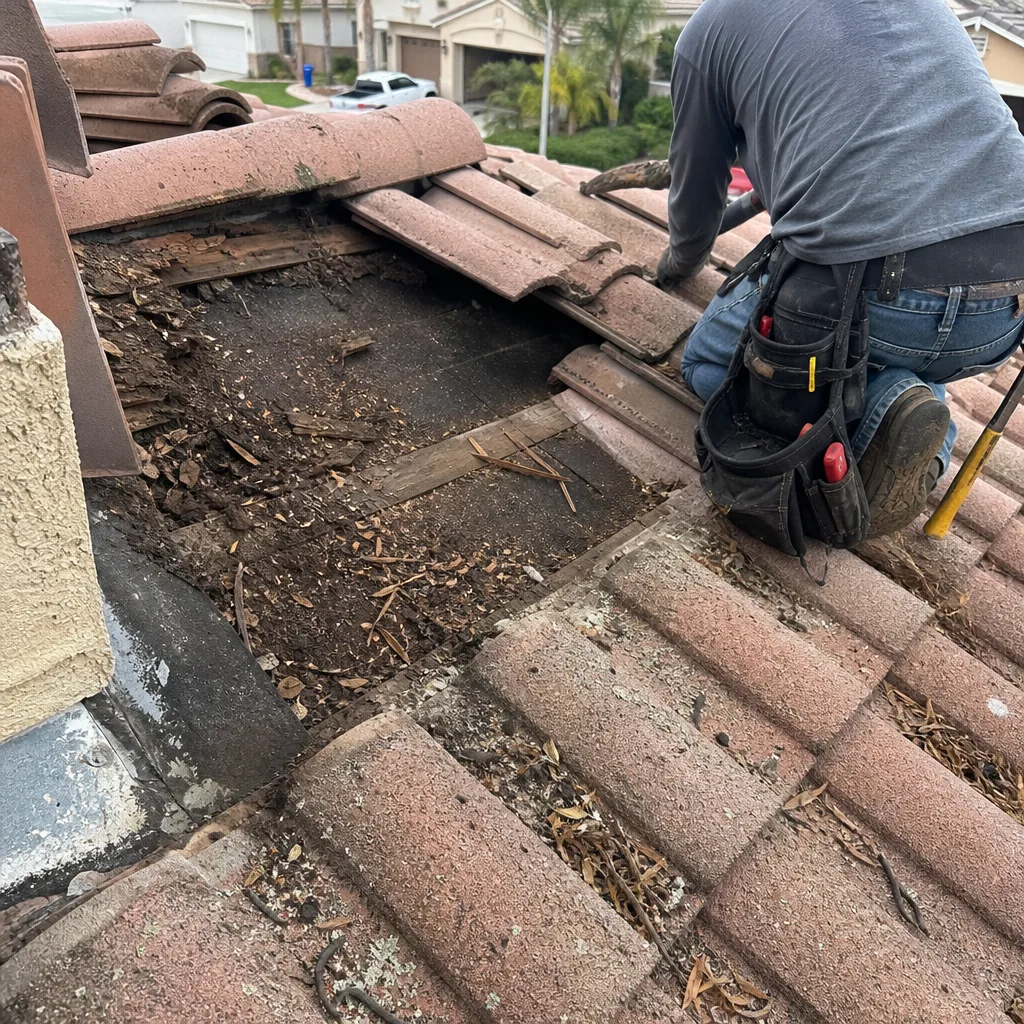 Before
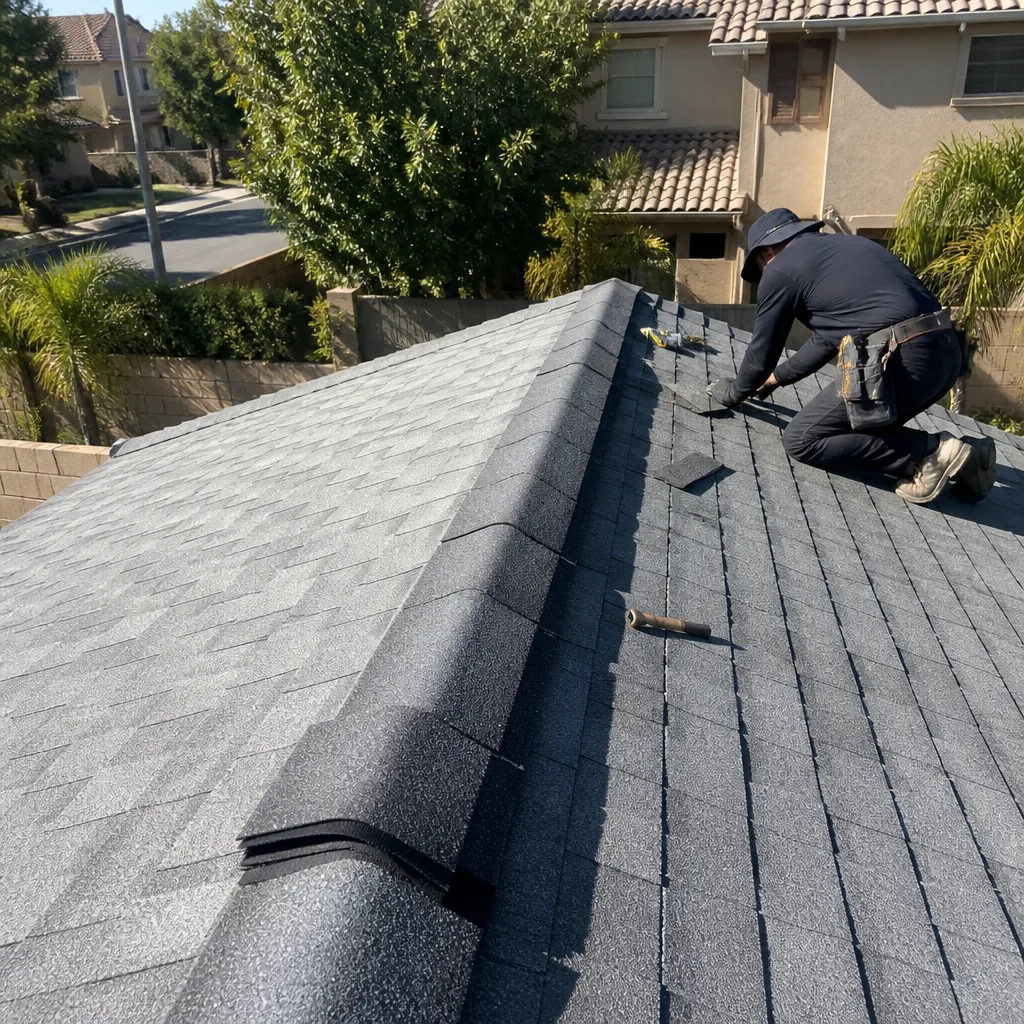 After
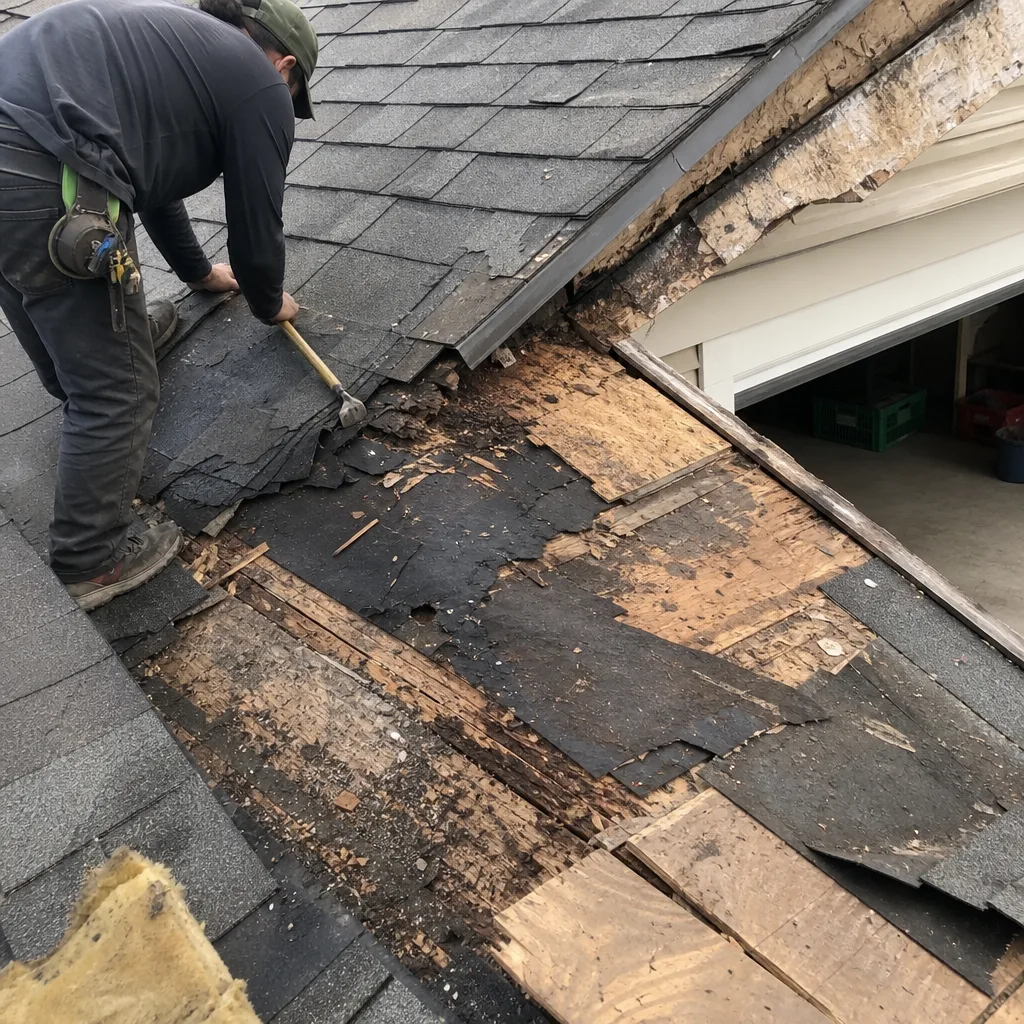 Before
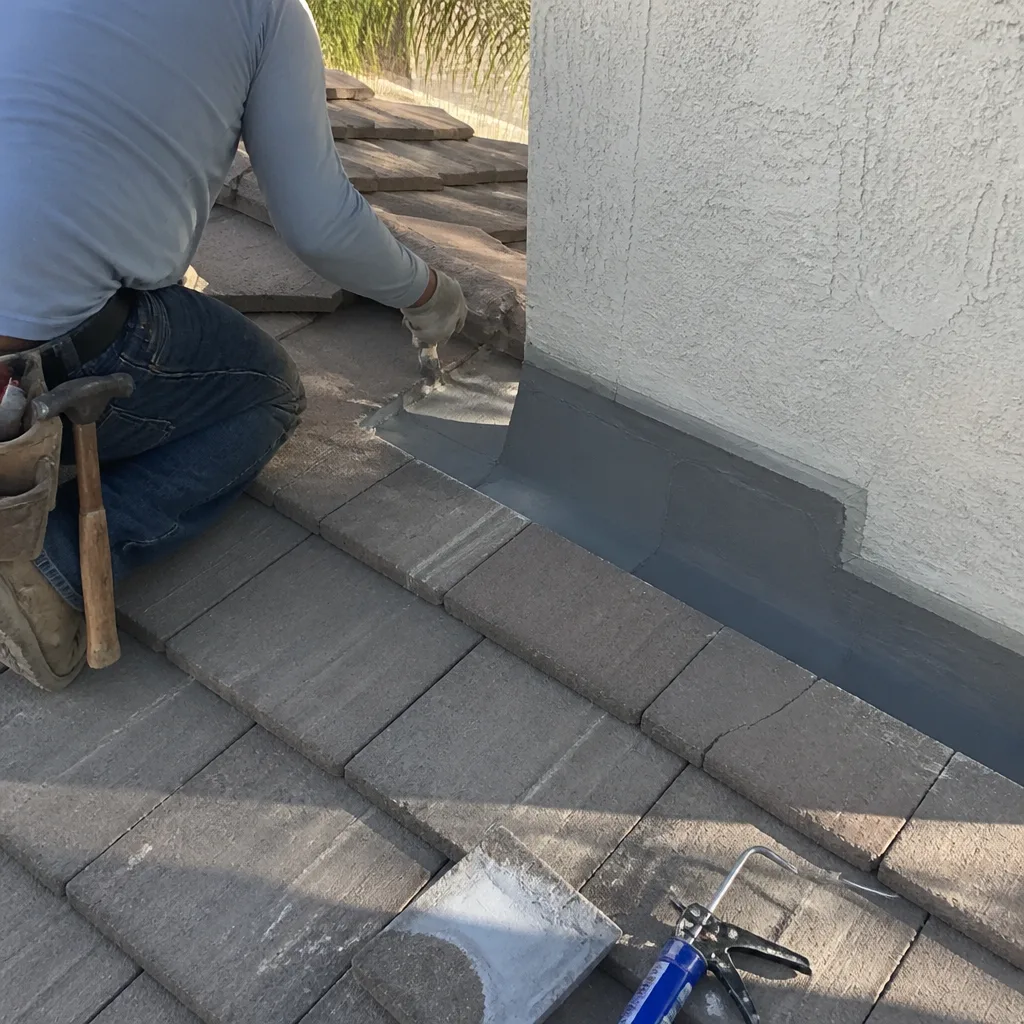 After