
Last updated October 30, 2026
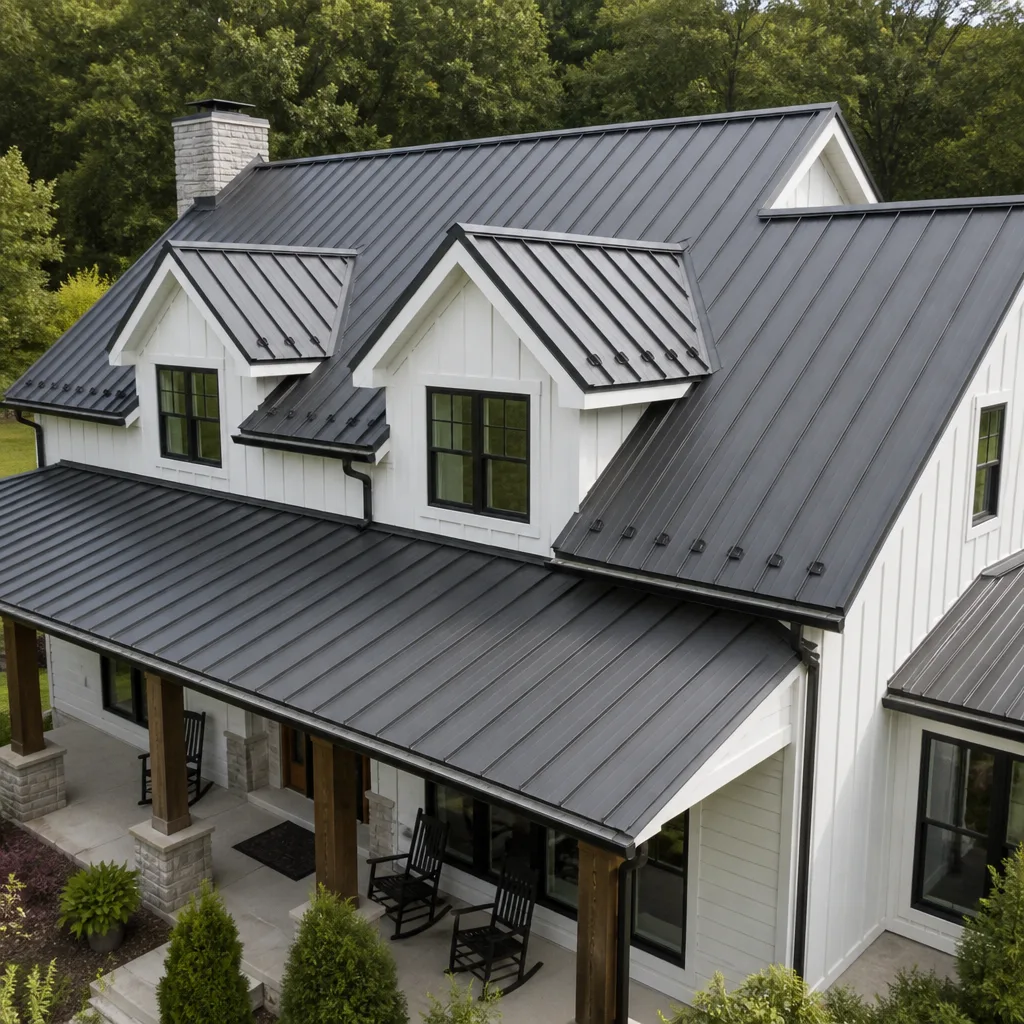 Metal roofing
 Architectural shingles
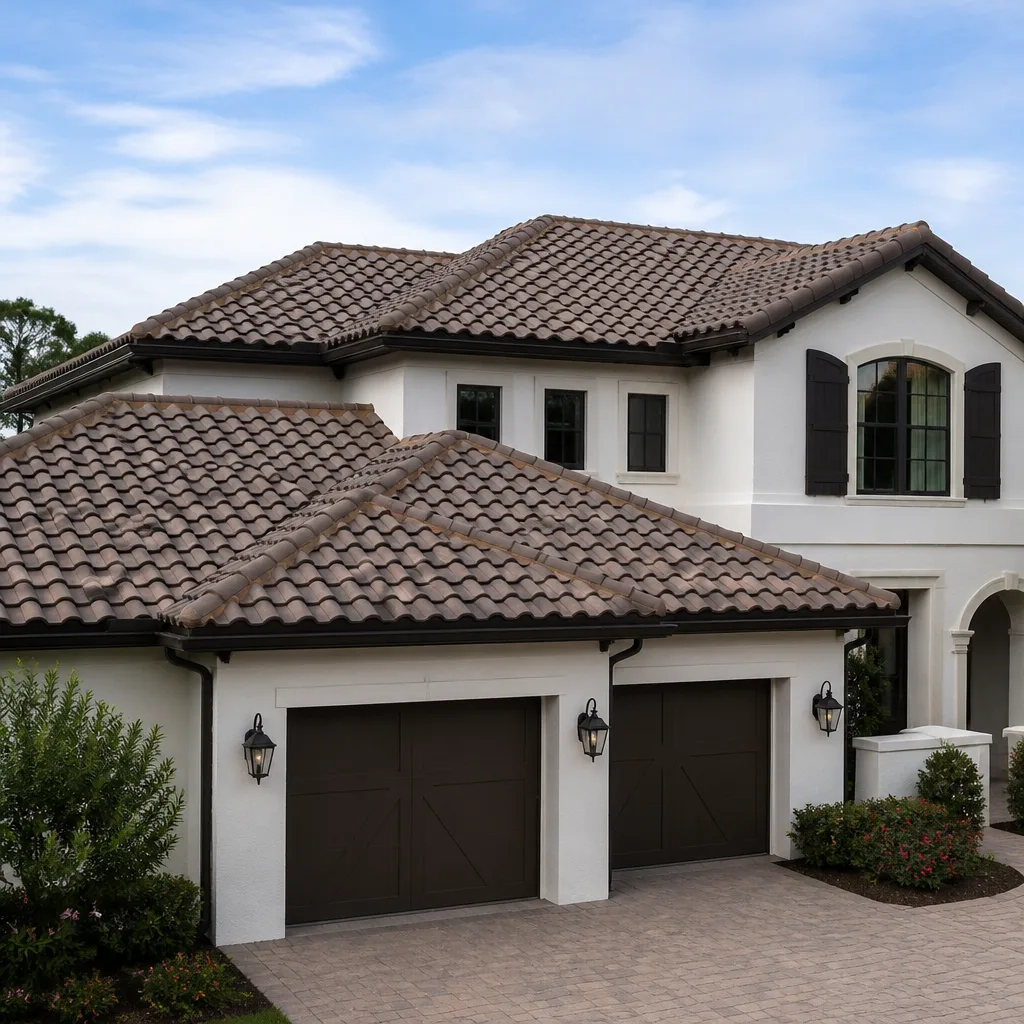 Tile roofing
 GAF
 Owens Corning
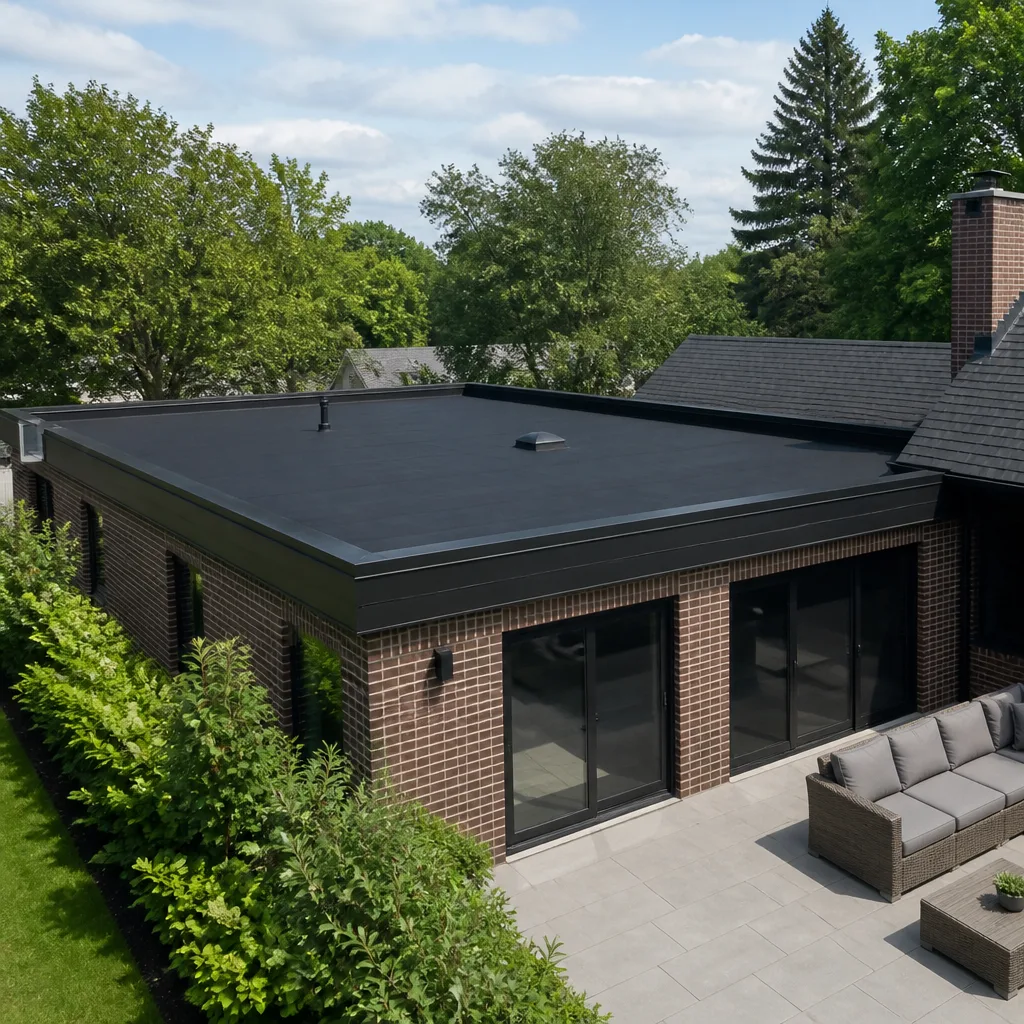 Flat & low-slope
Free roof inspection with deck photos before we talk money - GAF and Owens Corning certified installation
How to Hire a Roofing Contractor in Murrieta: A Step-by-Step Guide
Here’s something most Murrieta homeowners don’t realize until it’s too late: the biggest hiring mistake isn’t picking an unlicensed contractor. It’s picking a perfectly licensed general contractor who does roofs three times a year between kitchen remodels and fence replacements. A C-39 license proves someone passed a test. It doesn’t prove roofing is their daily job. This guide walks through how to separate the roofing specialists from the generalists in Murrieta, what documentation to demand, how to read an estimate line by line, and which red flags show up most often after our city’s wind events. For more, see our Roof Repair Maintenance Checklist for Murrieta Homeowners. You’ll leave with a hiring process you can actually use this week.
Styles & brands we work with
Quick Answer
To hire a roofing contractor in Murrieta, verify a current C-39 license through the CSLB website, confirm the contractor specializes in roofing rather than offering it as a side service, get three written estimates that break out line items like tear-off, underlayment, and flashing separately, and ask point-blank how many roofing jobs they completed in Murrieta last year. Never skip the written inspection report before signing, and don’t let a low bid substitute for a documented diagnosis of your roof’s actual condition.
Table of Contents
- Step 1: Verify the C-39 License and Read the History
- Step 2: Specialist or Generalist? How to Tell in Five Minutes
- Step 3: The Material Sourcing Questions That Reveal Everything
- Step 4: How to Read a Murrieta Roofing Estimate Line by Line
- Step 5: Use the Inspection Report as a Hiring Filter
- Step 6: Red Flags During Murrieta’s Post-Storm Contractor Surge
- Common Mistakes to Avoid
- When to Call a Professional
- Frequently Asked Questions
- The Bottom Line
Step 1: Verify the C-39 License and Read the History
California requires any contractor performing roofing work on a structure to hold a C-39 Roofing Contractor license issued by the Contractors State License Board (CSLB). But here’s the part most guides skip: a C-39 license is the floor, not the standard. Plenty of licensed general contractors hold a C-39 as an add-on. It lets them bid roof work legally. It doesn’t mean they’ve done meaningful roof work in the last twelve months.
Pull the contractor’s license at cslb.ca.gov. You’re looking for more than an active status. You want to see the license history: how long they’ve held it, whether there are any complaints on record, any disciplinary actions, and whether the license has ever been suspended. A clean history tells you something. A history with patterns of complaints about workmanship tells you more. In our experience in Murrieta, we’ve seen homeowners skip this step because they felt awkward asking a friendly contractor for their license number. Don’t. A contractor who hesitates to share a license number is telling you something you need to hear.
Also check that the license classification matches the work. A C-39 is roofing-specific. A B-General Building license does not permit standalone roofing work unless the contractor also holds the C-39. If someone shows up with only a B license and says they can handle your roof, that’s a CSLB violation waiting to happen, and more importantly, a signal that roofing isn’t their specialty.
Step 2: Specialist or Generalist? How to Tell in Five Minutes
The fastest filter is simple: look at the company’s service list. If the same contractor offers roofing, siding, gutters, window replacement, painting, and bathroom remodels, they’re a generalist. That’s not a character flaw. It’s a business model. And for a roof over your family, a generalist business model means roofing is one line item among twenty.
A roofing specialist’s entire revenue depends on getting roofs right. Every tool, every crew member, every training session, every warranty relationship exists for one trade. At Rosewood Roof Repair, we’re a roofing company that only does roofing. That means when we inspect a Murrieta home, we’re not looking for ways to upsell siding. We’re looking at the roof. Only the roof.
Ask the contractor directly: “How many roofing jobs did you complete in Murrieta last year?” A specialist can answer without blinking. A generalist will say something vague like “we do roofs all the time” or “quite a few.” Specificity is the tell. You want a number, a range, or a list of recent Murrieta neighborhoods where they’ve worked. If you’re just starting your search, our Rosewood Roof Repair home page explains our roofing-only focus in plain language.
Step 3: The Material Sourcing Questions That Reveal Everything
Most contractors stock one brand. Maybe two. That’s fine for them because it simplifies inventory and training. But it’s not fine for you if that brand doesn’t match your budget, your home’s wind exposure, or your warranty priorities. A contractor who installs only what they keep in the truck isn’t selling you a roof. They’re selling you their inventory.
The right material for your roof is the one that fits your home and your budget, not the one a contractor happens to stock. That’s why Rosewood carries a seven-brand portfolio: GAF, CertainTeed, Owens Corning, IKO, Atlas, Tamko, and Boral. That range spans value-focused options like Tamko and IKO up to premium lines like CertainTeed and Boral. You choose the tier. The roof gets built to your spec.
Here are the three material-sourcing questions to ask every contractor you interview:
- “Which shingle brands do you install, and why those?” If the answer is one brand because “it’s what we use,” that’s a red flag. If the answer includes multiple brands across price tiers, you’re talking to a contractor with options.
- “Can you show me manufacturer warranty paperwork before I sign?” Manufacturer-backed warranties, not just a contractor’s handshake, matter. GAF, CertainTeed, and Owens Corning back their products through certified installers. If a contractor can’t produce warranty documentation, that warranty may not exist.
- “What’s the difference in cost between your entry-level and premium shingle?” A specialist can quote real numbers. A generalist often can’t because they don’t price across tiers often enough to know.
Warranty terms vary by product and manufacturer. Always confirm coverage details at the time of your estimate, and get the warranty scope in writing before work begins.
Step 4: How to Read a Murrieta Roofing Estimate Line by Line
A professional roofing estimate doesn’t say “roof replacement: $18,000.” It breaks down exactly what you’re paying for, line by line. That breakdown is your first and best defense against hidden costs and change orders. Here’s what a proper Murrieta roofing estimate should include as separate items:
- Tear-off and haul: Removing the old roof down to the deck, loading it, and hauling it away. In Murrieta, this typically ranges from $1.50 to $2.50 per square foot depending on number of layers and roof pitch.
- Underlayment: The barrier between the wood deck and your shingles. Synthetic underlayment costs more than felt but performs better in Murrieta’s summer heat. This should be a separate line item, not buried in “materials.”
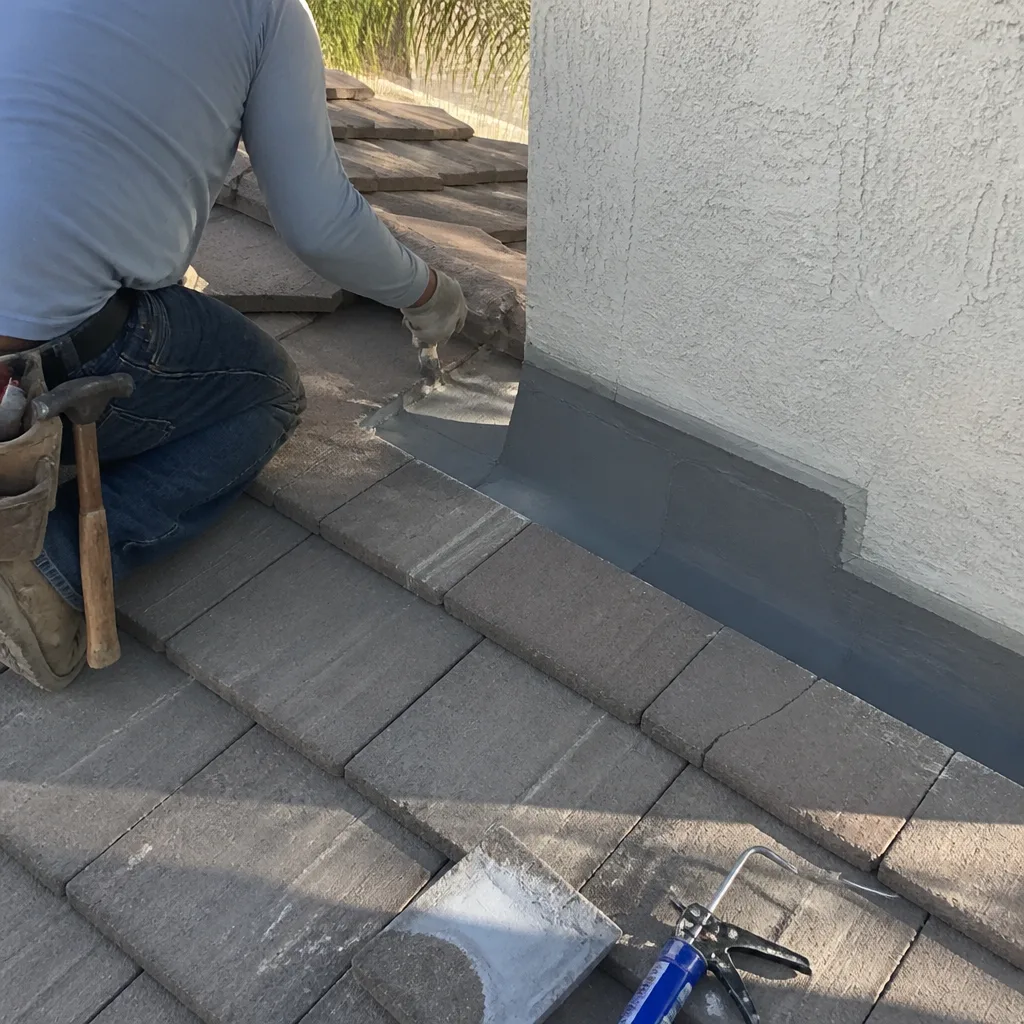
- Flashing: The metal pieces around chimneys, vents, skylights, and valleys. If flashing isn’t listed separately, ask why. Flashing failure is one of the most common leak sources in Murrieta homes, especially after the Santa Ana wind events we get east of the 215.
- Shingles or roofing material: The product itself, named by manufacturer and specific line. “Owens Corning Duration” is a real line item. “Shingle” is not.
- Ventilation: Ridge vents, box vents, or attic fans. If the estimate doesn’t mention ventilation, your roof may be built to trap heat, which shortens shingle life in Riverside County’s climate.
- Permits: Murrieta requires building permits for roof replacements. The estimate should state who pulls the permit and whether the fee is included or separate. A contractor who suggests skipping the permit is not doing you a favor.
When you compare three estimates, compare line items, not bottom lines. A lower bid that omits underlayment replacement or flashing isn’t cheaper. It’s incomplete.
Step 5: Use the Inspection Report as a Hiring Filter
Here’s a pattern we see regularly in Murrieta: a homeowner gets three bids, and the lowest bidder never actually walked the roof. For help spotting these issues early, read our Roof Repair Troubleshooting: Common Problems and How to Fix Them. They quoted from the ground or from satellite photos. No inspection report. No photos. No diagnosis. Just a price. And the price looks great because it’s based on assumptions, not reality.
The inspection report is your hiring filter. A contractor who produces a written report with photos, moisture readings where relevant, and specific findings about your roof’s condition is doing the job. A contractor who skips the inspection and goes straight to a bid is guessing. Guessing leads to change orders, surprises, and roofs that leak in the first rain after they’re “fixed.”
Here’s the process we recommend:
- Schedule a formal inspection. This should be a physical walk on the roof, not a drive-by. A proper Roof Inspection in Murrieta documents condition, remaining life, and problem areas.
- Get the written report. If a contractor won’t provide it before you sign, walk away.
- Use the report to get apples-to-apples bids. Three contractors using the same inspection findings should be pricing the same scope. If one bid is 40% lower, the scope is different, even if the contractor won’t admit it.
- Match the recommended repair to the report. If the report says “replace underlayment in the north valley due to moisture,” your estimate should list that work. If it doesn’t, ask why.
An inspection report also protects you after the job is done. If a new roof leaks six months later, your report and your contract are the documents that determine who fixes it and who pays.
Step 6: Red Flags During Murrieta’s Post-Storm Contractor Surge
Murrieta sits in a wind corridor. When storm season hits, homeowners from Copper Canyon to Greer Ranch wake up with missing shingles and leak lines running down bedroom walls. And within 48 hours, out-of-area crews show up. They knock on doors. They leave flyers. They offer same-week service at prices that seem too good to pass up.
Here’s why it matters: the contractor who appears after a wind event and disappears before your first summer heat wave has no incentive to honor a warranty. They’re working volume. Their business model is built on being in the right city at the right time, not on building a reputation that survives ten years in one place.
Specific red flags to watch for in Murrieta after a storm:
- Out-of-area license addresses: A CSLB record showing a contractor based in Sacramento, Phoenix, or L.A. doing “storm work” in Murrieta is a pattern, not a coincidence. Ask where their crews are based.
- Pressure to sign before insurance settles: A contractor who says “sign now, we’ll figure out insurance later” is putting you in a bad position with both your carrier and the contract.
- No local references: Ask for two Murrieta addresses they roofed in the last six months. Not Temecula. Not Menifee. Murrieta. If they can’t produce them, they have no local track record.
- Cash-only or large upfront deposits: California law limits deposits to 10% of the project cost or $1,000, whichever is less. Anyone asking for more is not following state law.
- Same-day “inspection” that finds catastrophic damage everywhere: A common scam is the urgent report of “structural issues” that require immediate full replacement. Get a second opinion from a contractor with no financial stake in fear.
For storm damage, you want a contractor who documents the damage, helps you work with your insurer, and then does the repair. Our Roof Repair in Murrieta process starts with documentation, not panic.
Common Mistakes to Avoid
- Hiring the first contractor who answers the phone: After a storm, speed feels like the priority. It isn’t. The roof will still be there in three days. A bad contract lasts years.
- Choosing the lowest bid without comparing scope: In Murrieta, bids that undercut the market by a wide margin almost always omit something: underlayment, flashing, permits, or proper tear-off. You’ll pay for it later.
- Skipping the CSLB license check: It takes five minutes online. A contractor who “has a license” but won’t give you the number is showing you exactly how they operate.
- Accepting a verbal warranty: “Don’t worry, we stand behind our work” is not a warranty. A warranty is written, specific about coverage and duration, and signed.
- Not confirming who pulls the permit: If a Murrieta roof replacement gets done without a permit, the homeowner owns the problem when it’s time to sell. Confirm it in writing.
- Hiring a generalist for a specialist job: The contractor who also does drywall and decks is not the contractor you want on a 20-year roofing investment.
- Ignoring the inspection report: A bid without a diagnosis is a guess. Don’t pay for guesses.
When to Call a Professional
Some situations don’t require a full contractor search. A visible shingle in the yard after wind, a small drip line, a loose piece of flashing: those are repair calls, not replacement projects. But certain signs mean it’s time to bring in a professional for an inspection right away.
Call a roofing specialist if you see: water staining on ceilings or walls with no other explanation, shingles that are curling or cracking across a wide area, granules collecting in your gutters, daylight visible through the attic boards, or any roof penetration (vent, chimney, skylight) showing rust or separation. After Murrieta wind events, missing shingles should be addressed quickly because the exposed underlayment is now your only barrier against the next rain.
For a roof replacement, the time to call is before you’re forced to. If your roof is 18 to 22 years old, getting an inspection now gives you time to compare materials and warranties rather than making a pressured decision after a leak. Rosewood Roof Repair offers free estimates in Murrieta. Call (844) 900-4167 to schedule one.
Frequently Asked Questions
A full tear-off and replacement for a typical Murrieta home currently ranges from $14,000 to $28,000 depending on roof size, pitch, material choice, and the number of layers being removed. See our Roofing Cost Breakdown: The Murrieta Homeowner’s Reference for 2026 for detailed pricing factors. Entry-level three-tab shingles from brands like Tamko or IKO sit at the lower end, while premium architectural lines from CertainTeed or GAF with upgraded underlayment and ventilation push toward the higher end. Call (844) 900-4167 for an exact quote: estimates are free, and we break down every line item.
Visit cslb.ca.gov and search by contractor name or license number. Confirm the license is active, the classification includes C-39 (roofing), and review the complaint and disciplinary history. A clean history over several years is what you want. Any unresolved complaints about workmanship deserve a direct conversation with the contractor before you sign.
A professional estimate based on a full inspection and written scope of work should not change unless you approve a change order. In Murrieta, the most common legitimate change order is discovering damaged decking or rotted fascia that wasn’t visible until tear-off. Those costs should be added transparently with documentation, not sprung on you at the end. Ask every contractor how they handle these discoveries before you sign.
Most single-family Murrieta roof replacements take two to five days from tear-off through final inspection, depending on roof size, pitch, and material. Complex custom homes or multi-layer tear-offs can stretch to a week. The permit process with the city can add several days before work begins. A contractor who promises a full replacement in one day is either lying about the scope or skipping steps.
Yes. Murrieta requires building permits for roof replacements, and the permit must be issued before work begins. The contractor should pull the permit, include the fee in the estimate, and pass the city’s final inspection. A contractor who suggests doing the work without a permit is asking you to carry the legal and resale risk alone. Don’t agree to it.
The difference is primarily the shingle product and the warranty backing it. Entry-level three-tab shingles often carry 20 to 30-year limited warranties from brands like Tamko or IKO. Premium architectural shingles from Owens Corning or CertainTeed can carry 50-year coverage or lifetime limited warranties, often including better wind ratings. Installation quality matters as much as product tier. A premium shingle installed wrong will fail faster than a budget shingle installed right. Get the warranty details in writing at estimate time.
The Bottom Line
Hiring a roofing contractor in Murrieta comes down to three documents: the CSLB license history, the written inspection report, and a line-item estimate that matches the report’s findings. A contractor who produces all three without friction is a contractor whose business model depends on getting roofs right. A contractor who resists any of them is showing you exactly what the next five years will be like. Take your time, compare scope not just price, and remember: the roof you install in Murrieta needs to survive 100-degree summers, Santa Ana wind seasons, and the occasional downpour all in the same year. A specialist builds for that. A generalist just nails shingles. For Roof Replacement in Murrieta, get a written estimate and a documented inspection before you decide.
Written by the team at Rosewood Roof Repair, serving Murrieta since 2014. Explore more guides & resources on our blog.
See the difference
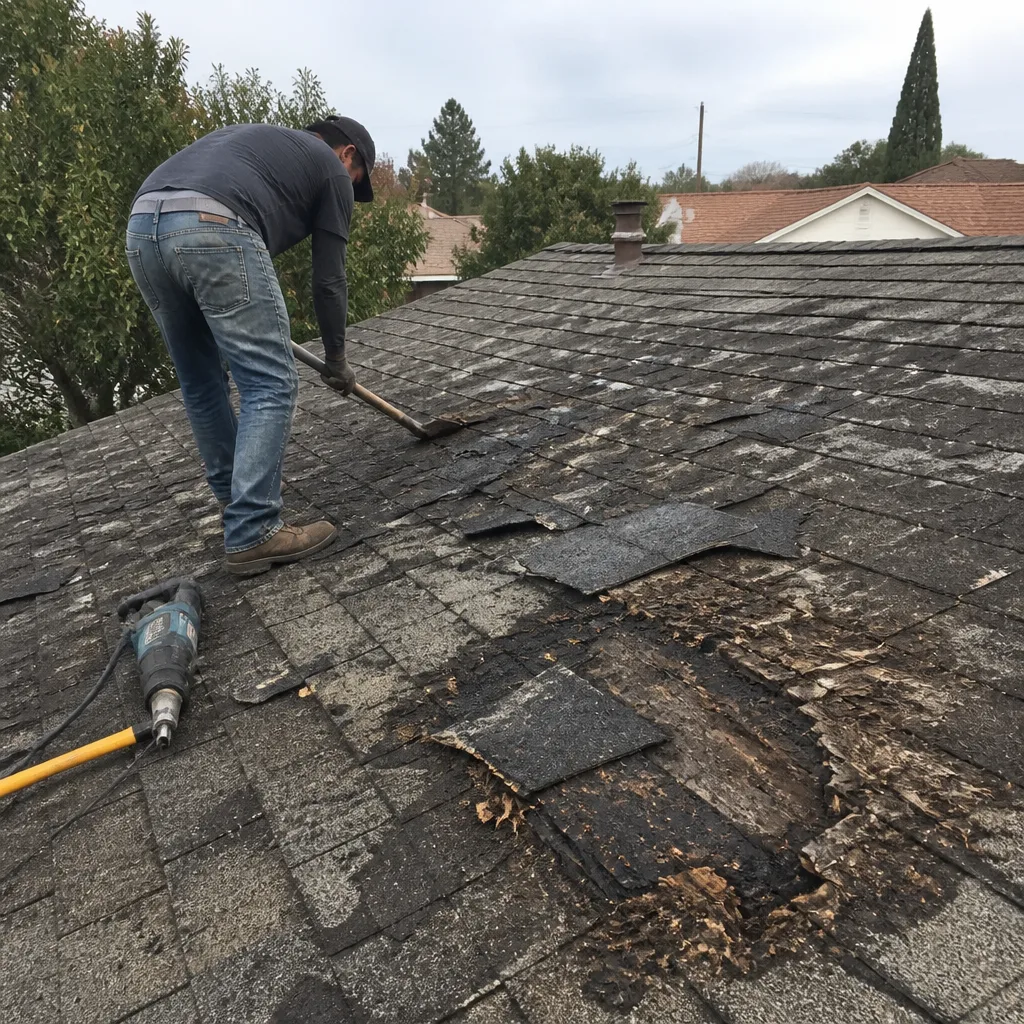 Before
 After
 Before
 After
 Before
 After