Last updated October 30, 2026
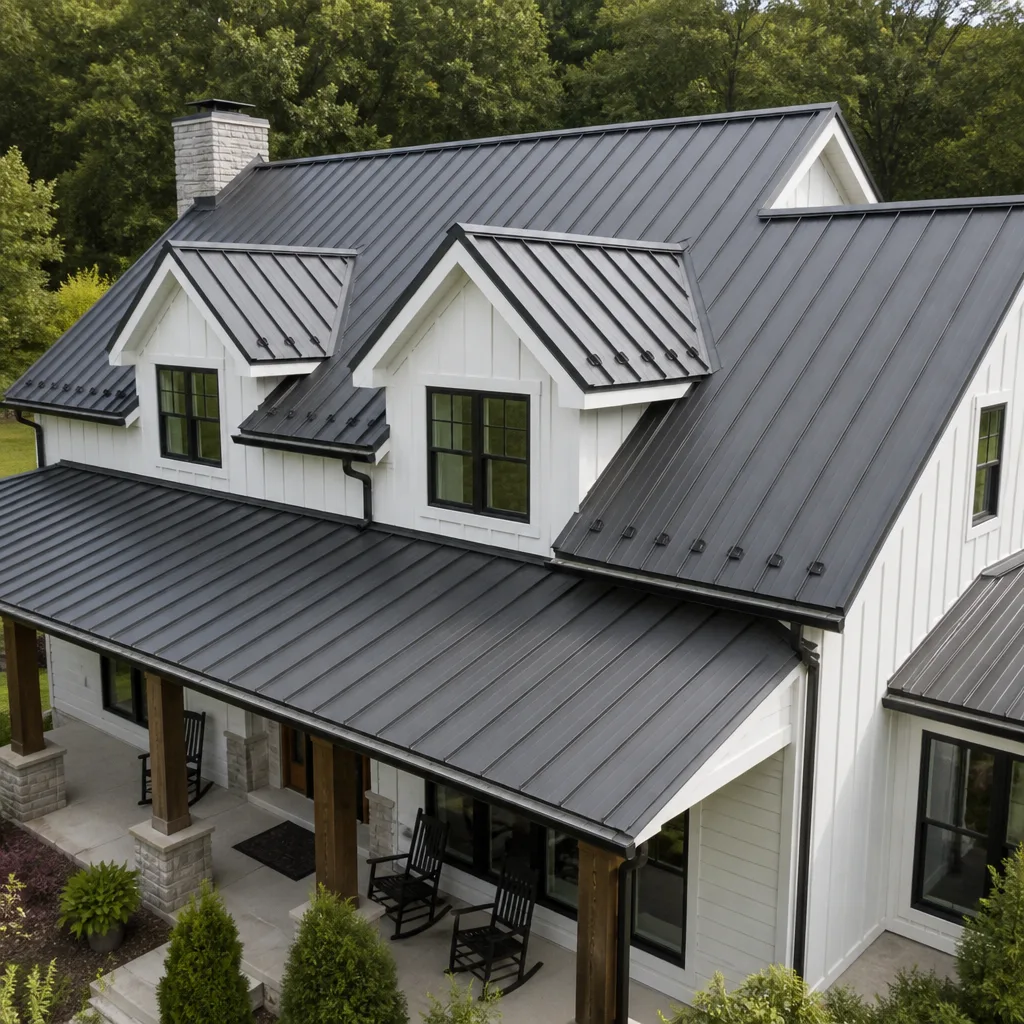 Metal roofing
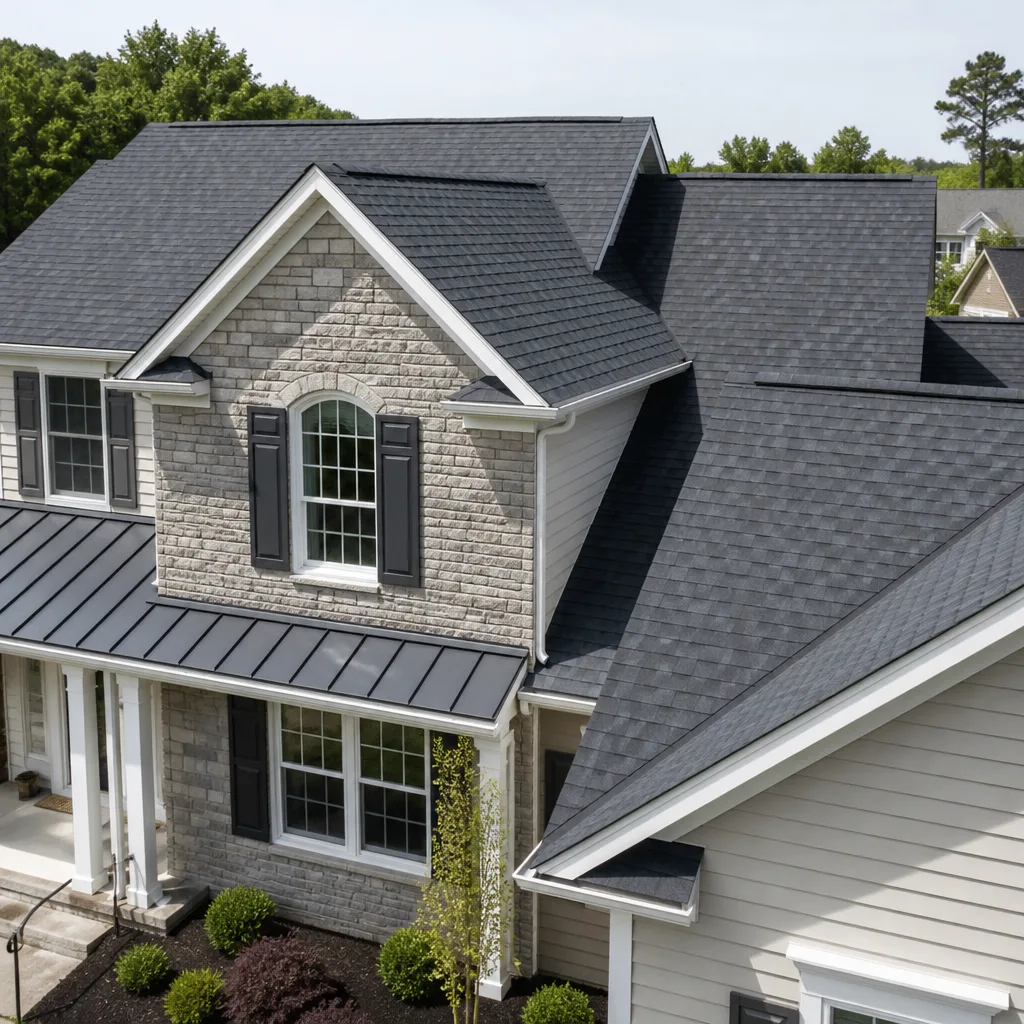 Architectural shingles
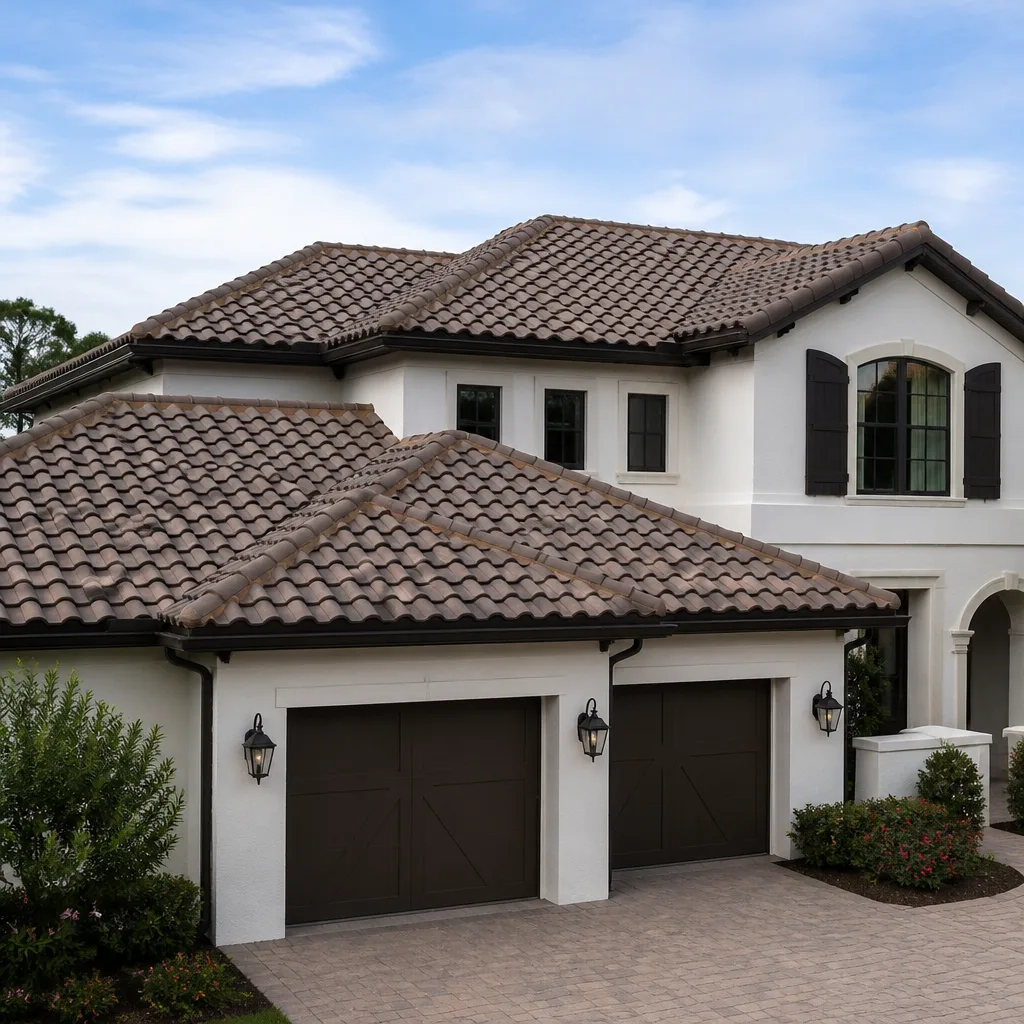 Tile roofing
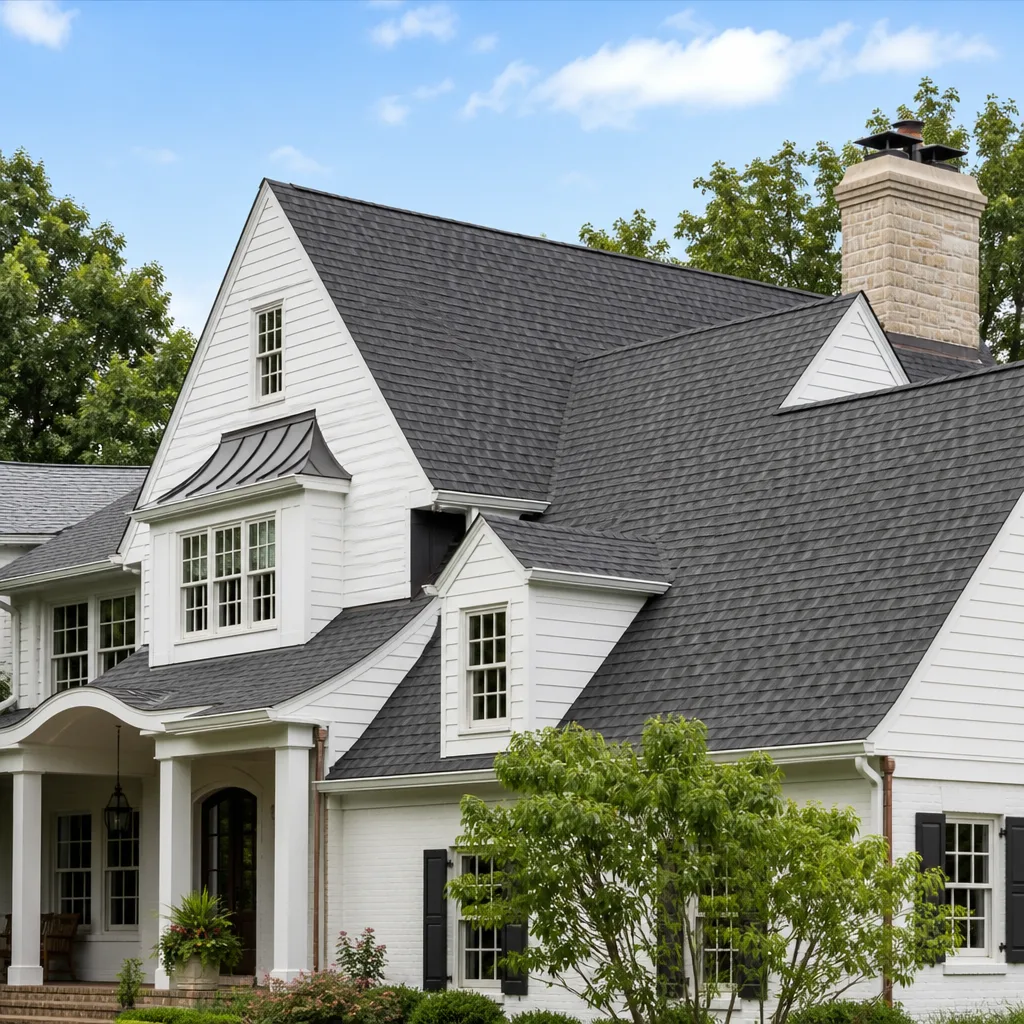 GAF
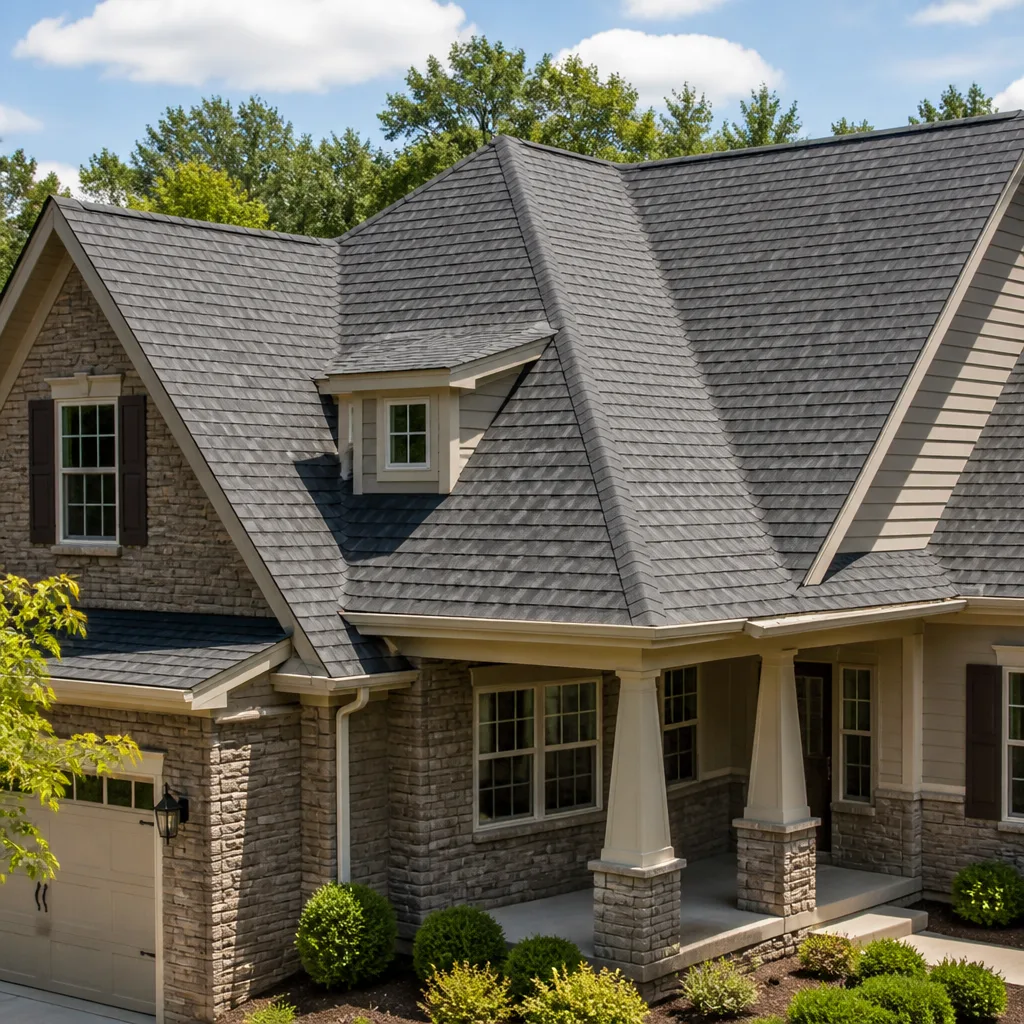 Owens Corning
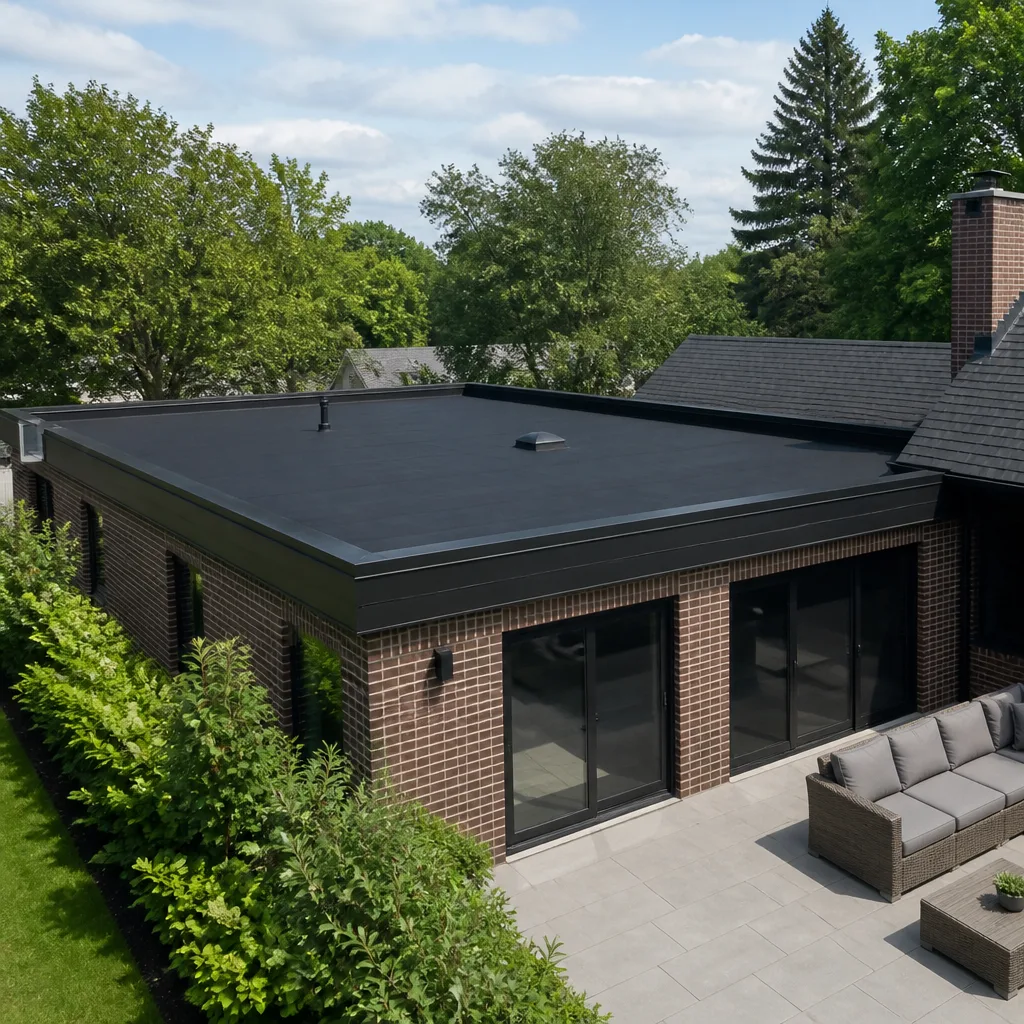 Flat & low-slope
Free roof inspection with deck photos before we talk money - GAF and Owens Corning certified installation
The Complete Guide to Roofing in Murrieta
Murrieta averages over 280 sunny days a year, which means your roof takes more direct UV exposure than nearly any roof in coastal California. Yet most roofing guides written for “Southern California” are calibrated for the coast, where marine layer and salt air are the real enemies. That’s a problem, because a roof in Murrieta fails differently than a roof in Carlsbad. This guide covers what actually happens to roofs in the Inland Valley heat cycle, which materials hold up, what repairs cost, and how to think about the full roof lifecycle on a Murrieta home. For a deeper dive, see our The Complete Roof Repair Guide for Murrieta Homeowners. You’ll leave knowing more about your roof than most contractors will tell you in a sales pitch.
Quick Answer
Roofing in Murrieta is shaped by intense inland UV exposure, thermal expansion from triple-digit summer days, and occasional torrential winter rain. The right roof depends on your home’s age, location relative to fire zones, and how long you plan to stay. A roofing specialist who carries multiple material brands can match product and warranty to your specific situation rather than selling you whatever single line they stock.
Styles & brands we work with
Table of Contents
- Why Murrieta’s Climate Demands Different Roofing Choices
- How Roof Age Changes What You’re Dealing With
- Material Performance in Murrieta: Tile, Composition, and Cool Roofs
- The Full Roof Lifecycle in Murrieta
- What Roofing Costs in Murrieta
- Understanding Roof Warranties: Manufacturer vs. Contractor
- How to Choose a Roofing Contractor in Murrieta
- Common Mistakes to Avoid
Why Murrieta’s Climate Demands Different Roofing Choices
Murrieta sits in the Temecula Valley, inland enough to escape the marine layer but close enough to the Santa Ana wind corridors to get real gusts in the fall. Summer days regularly hit 100 degrees, and roof surface temperatures climb far higher. A dark composition shingle roof in Murrieta can reach 150 to 160 degrees on a July afternoon. At night, that same roof drops back into the 60s. That daily swing of 90-plus degrees creates thermal expansion and contraction cycles that, over years, accelerate wear on shingle adhesives, fasteners, and underlayment.
What does that mean in practical terms? A 30-year architectural shingle may not give you 30 years in Murrieta. We’ve seen roofs in neighborhoods like Rancho Bella Vista and The Colony start showing granule loss and sealant fatigue at year 12 to 15, well before the manufacturer’s “rated life” suggests it should happen. That’s not a product defect. It’s the inland heat cycle working exactly as physics predicts.
Winter brings the second failure mode. Murrieta’s rainy season is short but intense. When a storm rolls through in January, it can drop two inches in a day on a roof that has been baked dry for eight months. That rapid moisture saturation, followed by another dry stretch, stresses sealants further. The combination of UV degradation, thermal cycling, and intermittent heavy rain means Murrieta roofs need attention on a slightly different schedule than the manufacturer’s generic guidance.
What This Means for Your Roof
- Expect slightly shorter real-world lifespan from any asphalt-based product than the “ideal conditions” warranty implies.
- Prioritize materials with strong UV resistance if your home has full southern or western exposure.
- Inspection frequency matters more in Murrieta than in coastal cities. Checking seals and flashing every 3 to 4 years catches problems before they become leaks.
How Roof Age Changes What You’re Dealing With
Murrieta’s housing stock spans roughly four decades now, and the roofing needs of a 10-year-old home in Greer Ranch look nothing like the needs of a 25-year-old home near Old Town. Understanding where your roof sits in its lifecycle changes whether you’re looking at maintenance, repair, or full replacement.
The 10-Year-Old Murrieta Home
Most newer master-planned neighborhoods in Murrieta, including Spencer’s Crossing and Greer Ranch, were built with concrete tile or architectural composition shingles. At the 10-year mark, the primary concerns are:
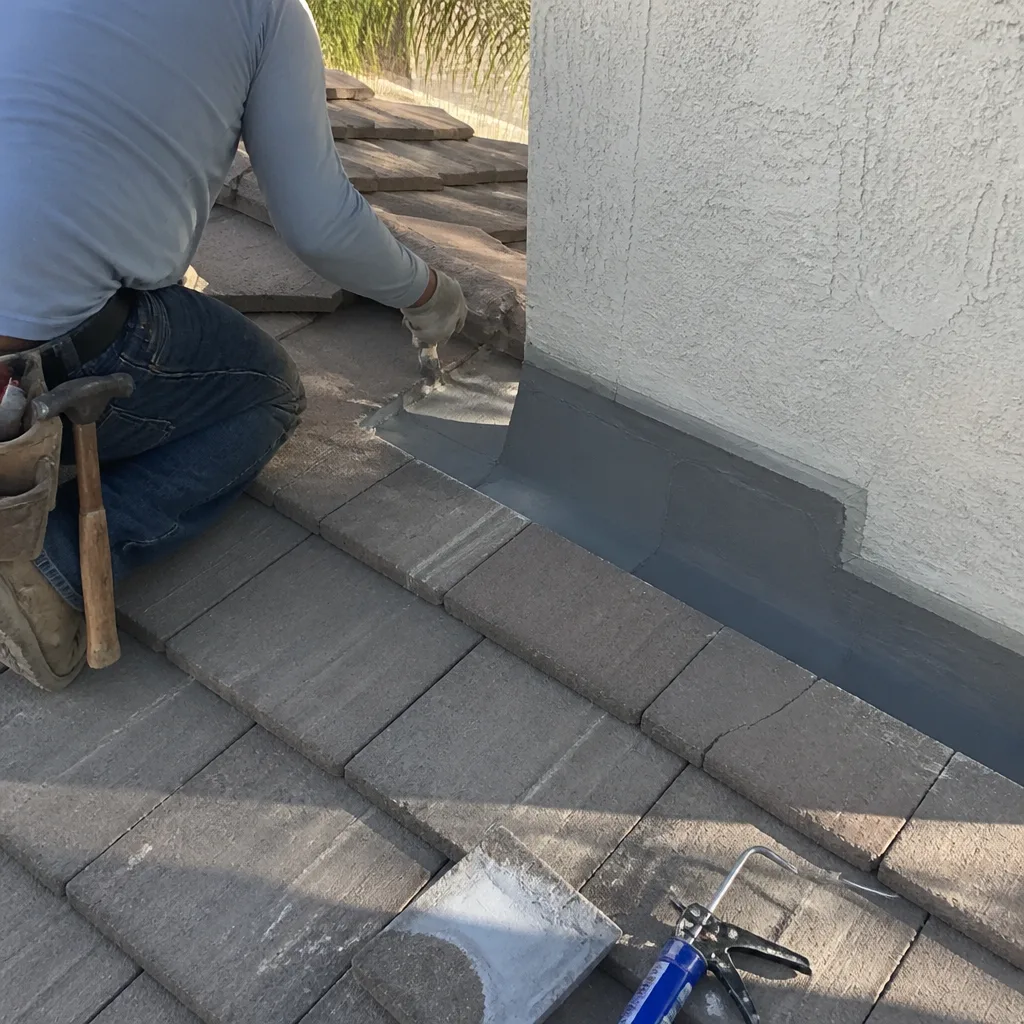
- Flashing deterioration: The metal flashing around chimneys, skylights, and wall intersections often shows wear before the field material does.
- Valley wear: If the roof has composition shingles, the valleys where two roof planes meet collect debris and water. Sealant breaks down here first.
- Original installation issues: Production builders install thousands of roofs efficiently. Sometimes efficiency means a nail pattern or underlayment detail wasn’t ideal. A 10-year inspection catches these before the manufacturer’s coverage window narrows.
At this stage, the right response is usually a targeted Roof Repair in Murrieta, not replacement. Fix the flashing, reseal the valleys, replace a handful of cracked tiles, and the roof has another decade in it.
The 25-Year-Old Murrieta Home
Homes built before 2000 in Murrieta’s original neighborhoods present a different picture. Many of these roofs are approaching or past the practical lifespan of their original materials. The questions shift from “what can we patch?” to “what does replacement cost and what should we install this time?” Our DIY vs Professional Roofing: The Murrieta Homeowner’s Decision Guide can help you weigh your options.
For these homes, the decision matrix is straightforward but important:
- Get a full inspection first. Not a free-drive-by look. An actual attic inspection, moisture readings, and a surface condition report. This is the foundation for every decision that follows.
- Check the underlayment. On a 25-year-old tile roof in Murrieta, the tile itself may look fine while the underlayment beneath it is failing. This is the most common surprise we find on older homes.
- Compare replacement cost against repair cost honestly. If you’re spending $4,000 a year on reactive repairs, a replacement starts looking like the cheaper option.
- Consider how long you’ll stay. A 10-year homeowner can justify premium materials and a full warranty. A 3-year homeowner should think about what a buyer will want to see on a home inspection report.
If you’re at this stage, start with a Roof Inspection in Murrieta before calling for bids. You want an independent assessment of condition, not a sales visit.
Material Performance in Murrieta: Tile, Composition, and Cool Roofs
The material decision is where Murrieta’s specific conditions really matter. What works in Orange County doesn’t automatically work here, and what works in Phoenix doesn’t translate either, because Murrieta still gets real winter rain and Santa Ana wind events.
Concrete and Clay Tile
Tile is the most common roofing material in Murrieta’s newer developments, and for good reason. Tile performs exceptionally well against UV exposure because the material itself doesn’t degrade from sunlight the way asphalt does. A concrete tile roof in Murrieta can last 50 years or more at the tile level.
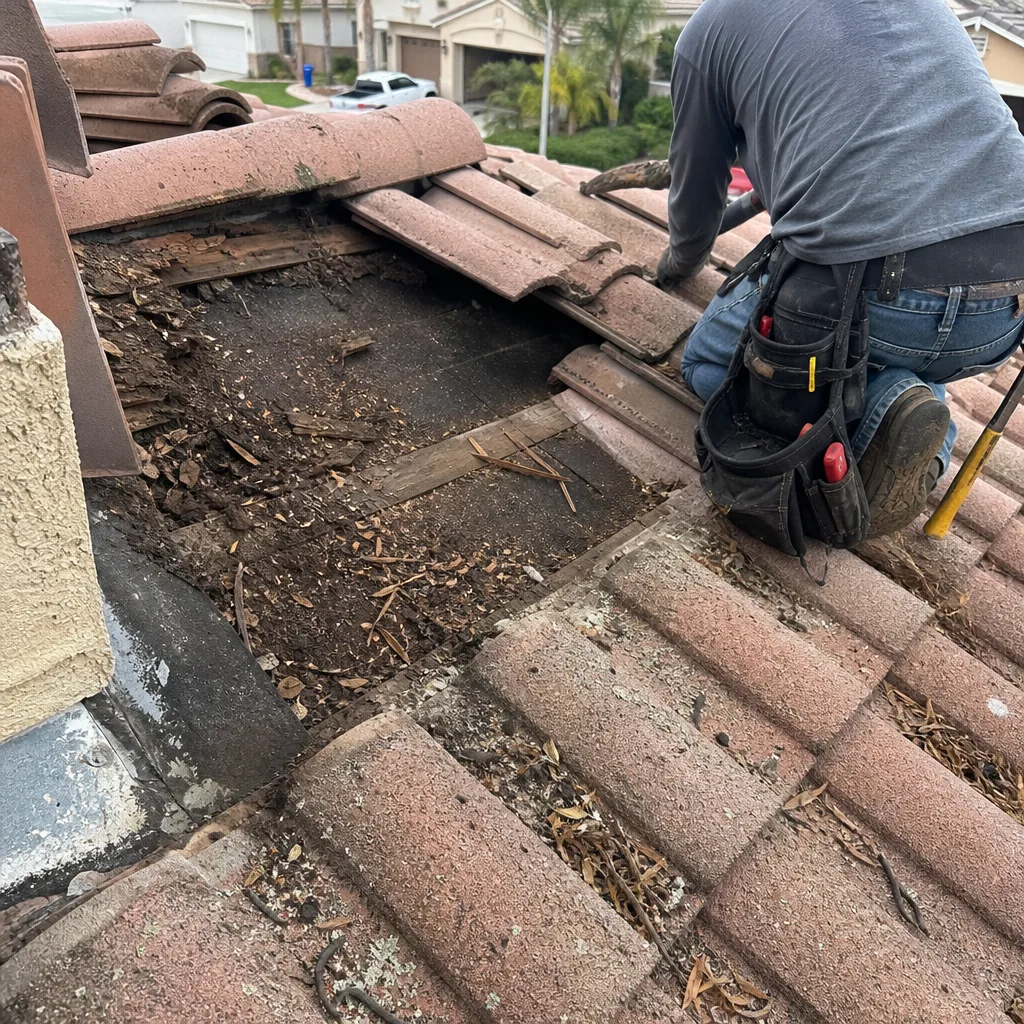
But tile has vulnerabilities here. The weak point is the underlayment beneath the tile, not the tile itself. Underlayment takes the water intrusion burden, and in Murrieta’s heat, felt underlayment dries out and becomes brittle over 20 to 25 years. When a tile roof leaks in Murrieta, the problem is almost never a broken tile. It’s failed underlayment underneath intact tile.
If you have a tile roof that’s 20-plus years old and it’s leaking, don’t let someone sell you a few replacement tiles and call it fixed. The issue is likely systemic. The correct fix is a lift-and-relay or full replacement, with new underlayment installed to current code.
Composition Shingles
Architectural composition shingles remain popular in Murrieta because they’re cost-effective and look good on most home styles. The tradeoff is lifespan. As discussed, inland UV and thermal cycling reduce real-world shingle life compared to coastal installs.
Brand matters here more than most homeowners realize. A value-line shingle from Tamko or IKO will protect your home adequately, but expect replacement sooner than a premium Owens Corning or Atlas line rated for high-wind and high-UV environments. The difference isn’t just marketing. Premium shingles use different asphalt formulations and granule bonding processes that hold up measurably better under sustained heat.
The key is matching the product tier to your timeline. If you’re staying 5 years, a value shingle correctly installed is a sensible financial decision. If this is your 20-year house, step up a tier. The per-year cost of the premium product is usually lower than doing the value product twice.
Cool Roof Coatings and Systems
Cool roof materials reflect more solar radiation and stay cooler on hot days. In Murrieta’s summer heat, a properly rated cool roof can reduce attic temperatures by 20 to 30 degrees, which translates directly into cooling bill savings.
Cool roof options in Murrieta include:
- Cool-rated composition shingles: Many premium shingle lines now include cool-roof color formulations that meet Title 24 energy requirements.
- Tile with cool-roof coatings: Light-colored tile naturally reflects heat, and specialized coatings can improve this further.
- Reflective coatings for low-slope sections: If part of your home has a flat or low-slope section, a white reflective coating is the standard Murrieta solution.
One caution with cool roofs: they keep attic spaces cooler, which is great for energy costs, but they don’t eliminate the need for proper attic ventilation. A cool roof plus inadequate ventilation still creates moisture problems in winter. The two systems work together, not as substitutes.
The Full Roof Lifecycle in Murrieta
A roof isn’t a static object. It’s a system that moves through predictable stages, and each stage in Murrieta calls for a different response. Understanding this lifecycle is what separates homeowners who get 25 years out of a replacement from those who get 15 and wonder why.
Stage 1: Installation and Early Years (Years 0-7)
The first seven years are the manufacturer’s window. Installation defects show up early: nail pops, seal failures, flashing errors. This is when warranty coverage is strongest, and it’s when a free annual visual check catches small problems before they compound.
In Murrieta specifically, watch for wind-related flashing damage during Santa Ana season. Fall gusts in the Temecula Valley corridor can lift shingle edges and shift tile. A roof that looks fine after installation may have subtle movement after the first few wind events.
Stage 2: Mid-Life Maintenance (Years 8-15)
This is when Murrieta’s climate starts creating real work. Sealants begin failing under repeated thermal cycling. Granule loss becomes visible on southern exposures. Valley areas show wear from debris accumulation and water flow.
The right response at this stage is a professional inspection, followed by targeted repair. In our experience, a mid-life maintenance visit on a Murrieta home typically finds:
- Two to four areas where sealant needs reapplication
- One or two flashings showing early rust or separation
- Debris accumulation in valleys or behind skylights
- Early granule loss on the most sun-exposed slopes
Addressing these items costs far less than the average homeowner expects, usually well under a thousand dollars. Ignoring them is how a $600 repair becomes a $2,500 repair two years later.
Stage 3: Repair Decisions (Years 15-22)
Between years 15 and 22, every Murrieta roof reaches a decision point. The field material may still look serviceable, but the supporting systems (underlayment, flashing, seals) are approaching the end of their functional life.
This is the stage where dishonest contractors sell unnecessary replacements and lazy contractors sell patch jobs that don’t solve the underlying problem. The honest answer depends on three factors: the condition of the underlayment, the integrity of the structural decking, and the homeowner’s timeline.
If underlayment is failing on a 20-year-old tile roof, replacement is the correct call, not because the tile is bad but because the waterproofing layer beneath it is done. Conversely, if underlayment is intact and the home is being sold, a repair may be the right financial move.
Stage 4: Replacement and Beyond (Years 22+)
At this stage, the question is rarely “if” but “when” and “with what.” A Roof Replacement in Murrieta on a 25-year-old home is an opportunity to resolve every issue at once: better materials, current code underlayment, improved ventilation, and a warranty that transfers to a future buyer.
The replacement decision also affects resale. Murrieta home buyers in 2025 are savvy about roof age. A home with a 24-year-old roof is priced accordingly, and a home with a recent full replacement carries a premium. If a sale is on your 3-year horizon, replacement timing matters.
What Roofing Costs in Murrieta
Roofing costs vary widely by material, home size, and existing condition, but Murrieta homeowners should have realistic expectations before soliciting bids. Here’s what we see across the Murrieta market as of 2025:
| Service | Typical Murrieta Range | Notes |
|---|---|---|
| Roof inspection | $200 – $450 | Free with many contractors if repair requested; paid inspection is more objective |
| Minor repair (flashing, sealant, single leak) | $350 – $800 | Depends on accessibility and extent |
| Mid-size repair (valley replacement, multiple flashing points) | $800 – $2,500 | Common on Murrieta homes at the 12-18 year mark |
| Full composition shingle replacement | $12,000 – $22,000 | Depends on home size, shingle tier, tear-off requirements |
| Full concrete tile replacement | $25,000 – $45,000 | Includes new underlayment, flashing, and code compliance |
| Tile lift-and-relay (underlayment replacement, tile reused) | $9,000 – $18,000 | Only viable if tile is in good condition |
These ranges reflect Murrieta’s market specifically. Labor costs in the Inland Valley run lower than coastal San Diego or Orange County, but material costs are identical because the same manufacturers supply the whole region. The difference is in installation labor and, to a lesser extent, permit fees.
Factors That Move the Price
- Roof pitch and height: Single-story, walkable roofs cost less to work on. Steep two-story roofs add safety equipment and labor time.
- Number of penetrations: Skylights, chimneys, vents, and solar mounts all require flashing work and add cost.
- Existing layers: If a previous owner installed new shingles over old ones, a full replacement requires tear-off of both layers, which adds disposal cost.
- Access: Tight lots, gated entries, and limited staging areas in some Murrieta communities affect equipment placement and time.
- Perimeter protection: Fire-zone adjacent homes may require specific code-mandated materials that add several dollars per square foot.
Understanding Roof Warranties: Manufacturer vs. Contractor
Every roofing proposal includes warranty language, but the terms of those warranties differ dramatically between manufacturers and contractors, and understanding the distinction protects you from expensive surprises.
Manufacturer Product Warranties
When a shingle or tile manufacturer warrants its product, it’s covering the material itself against defects in manufacturing. If the shingles crack, curl, or fail prematurely due to a factory defect, the manufacturer provides replacement material. The warranty term depends on the product line: 25-year, 30-year, 40-year, or lifetime coverage.
What manufacturer warranties typically do NOT cover: installation errors, improper ventilation, damage from foot traffic, storm damage, and in some cases, accelerated UV degradation in high-exposure climates like Murrieta’s. A 30-year shingle warranty doesn’t mean your roof is guaranteed for 30 years. It means the material is.
Manufacturer-Backed System Warranties
The more valuable warranty tier is the manufacturer-backed system warranty, available when a contractor is certified through a major brand’s program. These warranties cover materials AND installation labor for a specified period, because the manufacturer has audited the contractor’s work and stands behind it. This is where working with a contractor who carries partnerships with brands like GAF, Owens Corning, and CertainTeed becomes valuable. The warranty is backed by a billion-dollar manufacturer, not just a contractor’s handshake.
Contractor Workmanship Warranties
Most roofing contractors offer a workmanship warranty on their installation labor, typically 2 to 10 years. This covers errors in installation: misaligned shingles, improper nailing, flashing mistakes. The value of a workmanship warranty depends entirely on whether the company will still exist in 10 years. Murrieta has seen roofing companies come and go. A contractor who has been in the market for years and carries manufacturer certifications is far more likely to honor a warranty claim than a startup that undercut everyone on price.
Warranty terms are product- and manufacturer-dependent. Always confirm coverage details in writing at the time of estimate, including what’s excluded and what triggers a valid claim.
How to Choose a Roofing Contractor in Murrieta
This is the decision that determines whether your roofing project goes smoothly or becomes a nightmare. Murrieta has dozens of roofing companies, from solo-operators working out of a truck to established specialists. Here’s the process we recommend based on years of seeing what separates good outcomes from bad ones.
Step 1: Verify Roofing-Specific Focus
A company that lists roofing alongside siding, gutters, windows, painting, and remodeling is a generalist. Generalists can do acceptable roof work, but they’re not optimized for it. A roofing company that only does roofing means every crew member, every tool, and every process is built for the specific demands of roof work. In Murrieta’s climate, that specialization matters. Look for a company whose entire service list is roof-related.
Step 2: Check Material Options
This is the test most homeowners skip, and it’s the one that matters most. Ask the contractor: “What brands do you install?” If the answer is one brand, understand that their pricing model depends on that single product. They’re not selling you the right material, they’re selling you their material.
A contractor who carries multiple brands, including value options like IKO and Atlas alongside premium lines like Owens Corning, can actually match product to your budget and timeline. The right material for your roof, not just the one they keep in the truck. That’s the difference between a sales conversation and a consultation. Explore more guides & resources to keep learning.
Step 3: Review the Estimate Format
A legitimate roofing estimate should be line-item specific. It should list material quantities, material brands and specific product names, labor, disposal, permit fees, and any subcontractor costs. Vague estimates that say “roof replacement – $18,000” without breakdown tell you nothing about what you’re actually buying.
Ask whether the price includes permit fees. Murrieta requires permits for full roof replacements, and unpermitted work creates problems at resale. A contractor who suggests skipping permits to save money is not doing you a favor.
Step 4: Confirm Warranty Structure
Ask two separate questions: “What is the manufacturer’s product warranty on this material?” and “What is your workmanship warranty on the installation?” The answers should be different numbers and different coverage terms. If the contractor can’t clearly explain both, that’s a red flag.
Also ask whether the contractor is certified for any manufacturer-backed system warranties. This matters because it means the manufacturer has vetted the installation quality, not just sold the material. A manufacturer-backed warranty is genuinely stronger coverage than a contractor warranty alone.
Step 5: Trust Your Read on Honesty
If a contractor tells you every roof needs replacement without inspecting the attic, walk away. If they quote a price without looking at the roof structure, walk away. If they promise a timeline that seems impossibly fast, walk away. The honest answer in roofing is often “it depends until we look.” A contractor comfortable giving you an honest answer you don’t love is worth more than one who tells you exactly what you want to hear.
Common Mistakes to Avoid
Murrieta homeowners make the same set of errors year after year. Here are the ones that cost real money:
- Waiting for a visible leak before doing anything. By the time water is coming through the ceiling, the roof has been leaking for weeks or months inside the structure. The repair cost multiplies when decking and insulation are water-damaged.
- Choosing the lowest bid without comparing scope. A $10,000 difference between two roof-replacement bids usually means something is missing from the cheaper one: underlayment replacement, tear-off, permit fees, or warranty coverage. Compare line items, not headlines.
- Skipping permits on a full replacement. Murrieta enforces permit requirements, and unpermitted roof work becomes a sale-destroying issue during escrow. Permits also ensure the job gets inspected by the city.
- Replacing tile when the problem is underlayment. Homeowners with failing underlayment sometimes replace perfectly good tile because they don’t understand that the tile and the waterproofing layer are separate systems. A lift-and-relay can save thousands.
- Ignoring the attic. Roof health and attic ventilation are inseparable in Murrieta’s heat. A new roof installed over an improperly ventilated attic will fail prematurely and void the manufacturer’s warranty.
- Hiring a generalist for specialist work. You wouldn’t hire a general practitioner for heart surgery. A roofing-only contractor in Murrieta brings focused expertise that a handyman or general contractor cannot match.
- Making decisions without an inspection. Even a roof that looks fine from the ground in Murrieta can have hidden moisture damage, failed seals, or worn flashing that only an attic and surface inspection reveals. The inspection pays for itself.
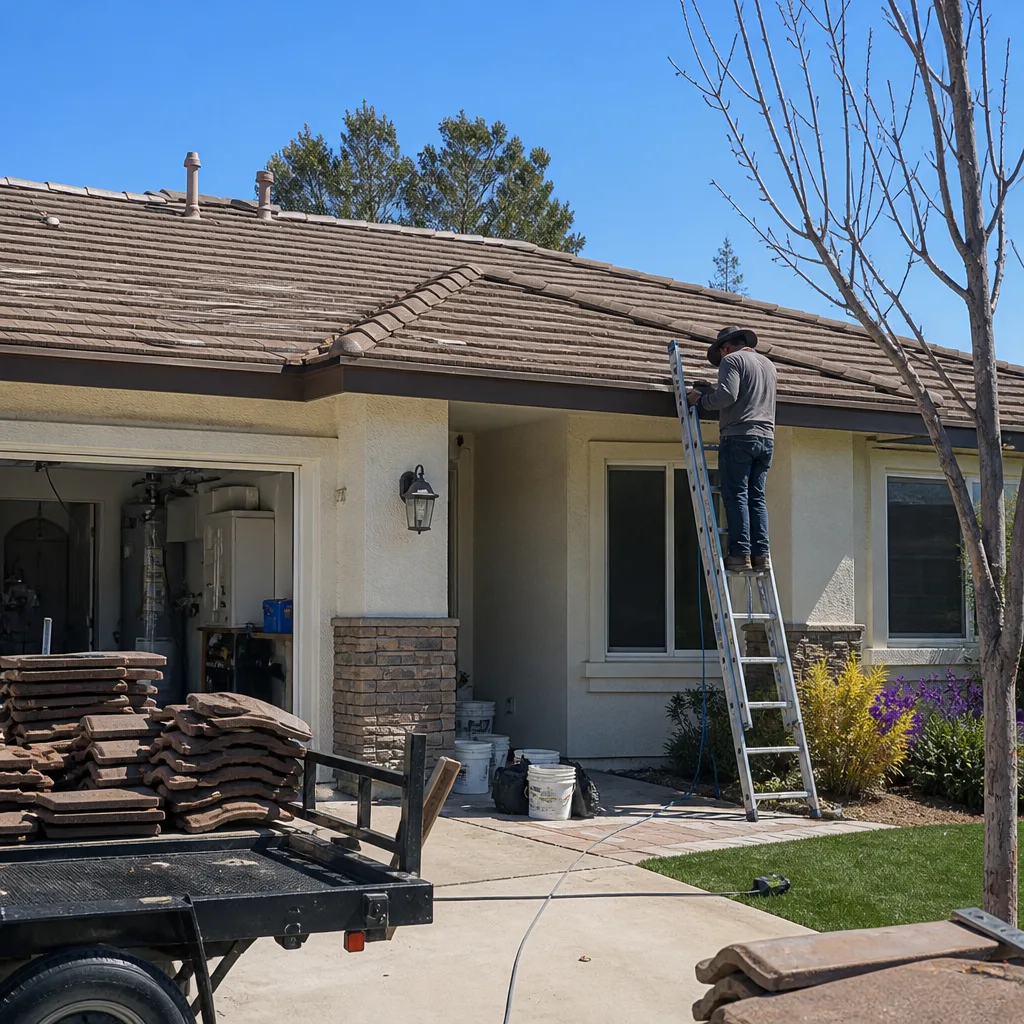
See the difference
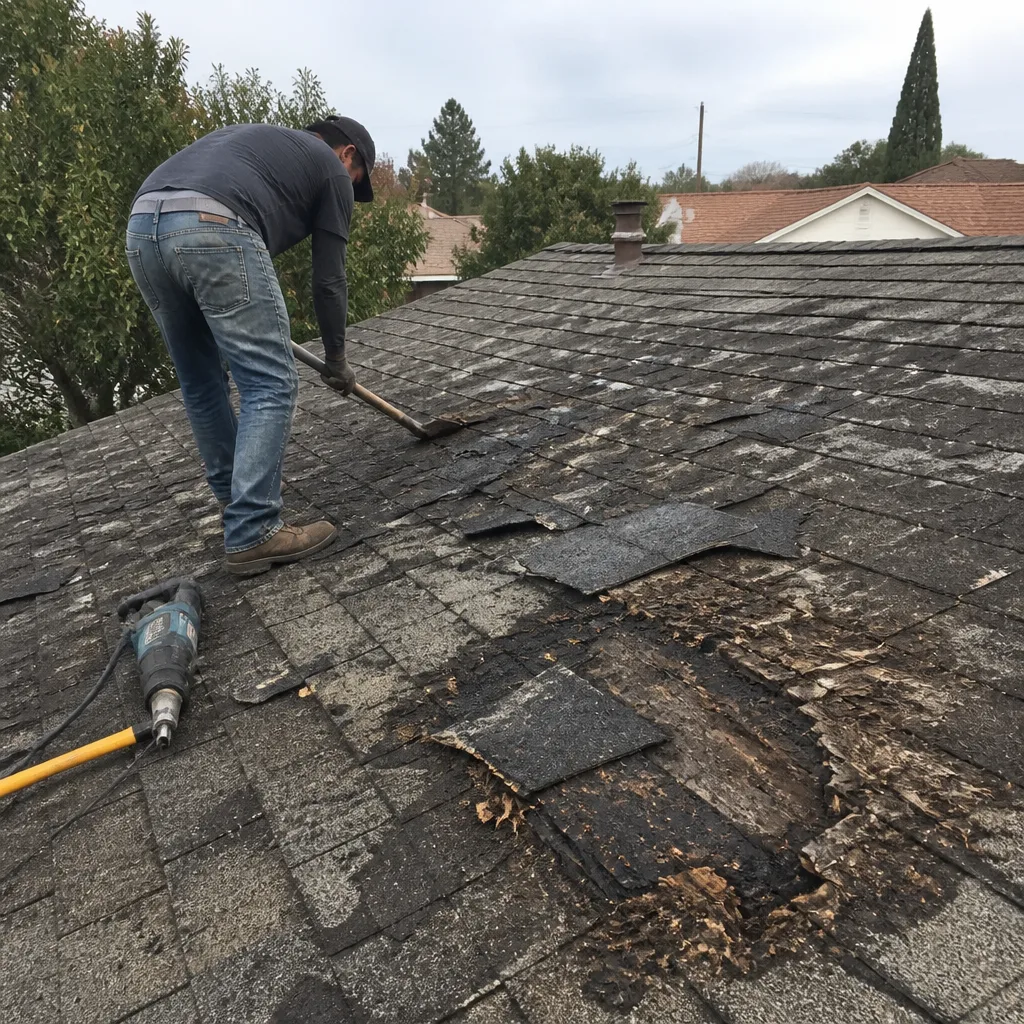 Before
 After
 Before
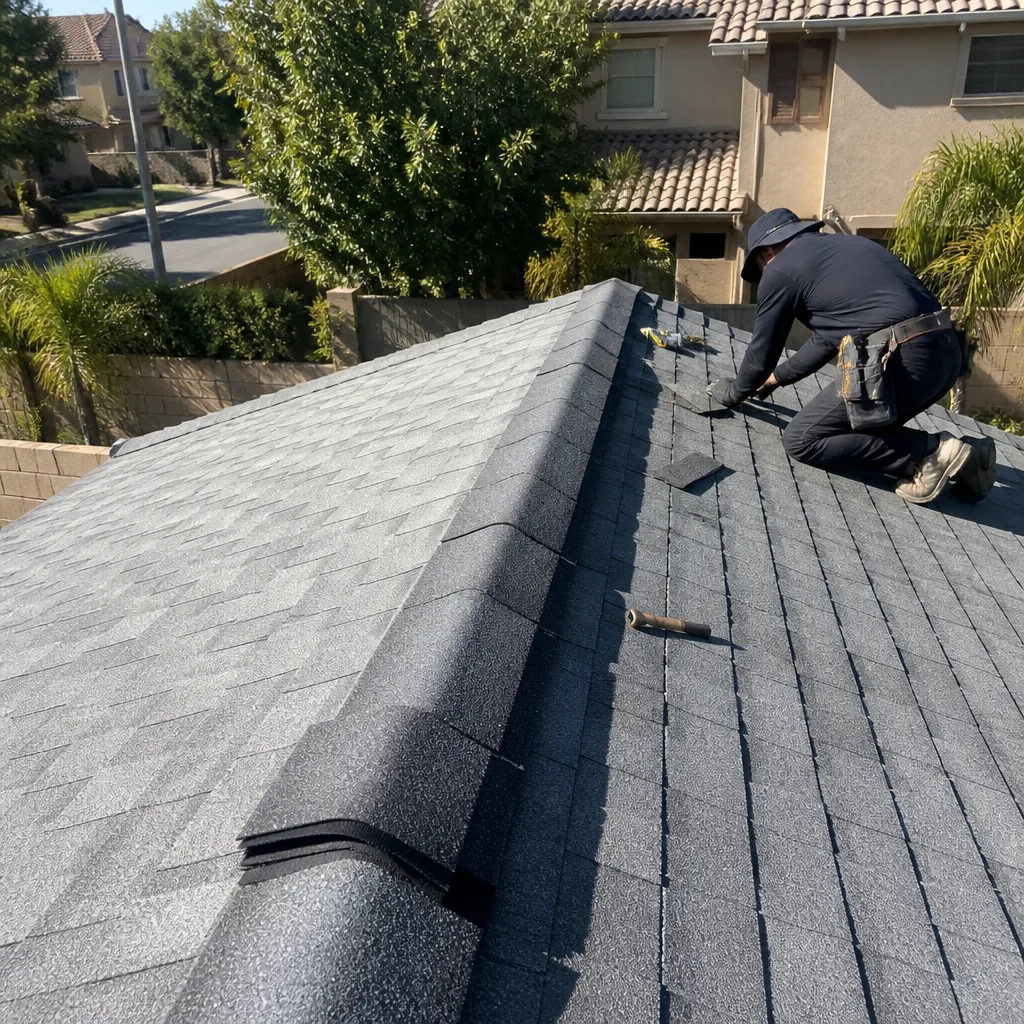 After
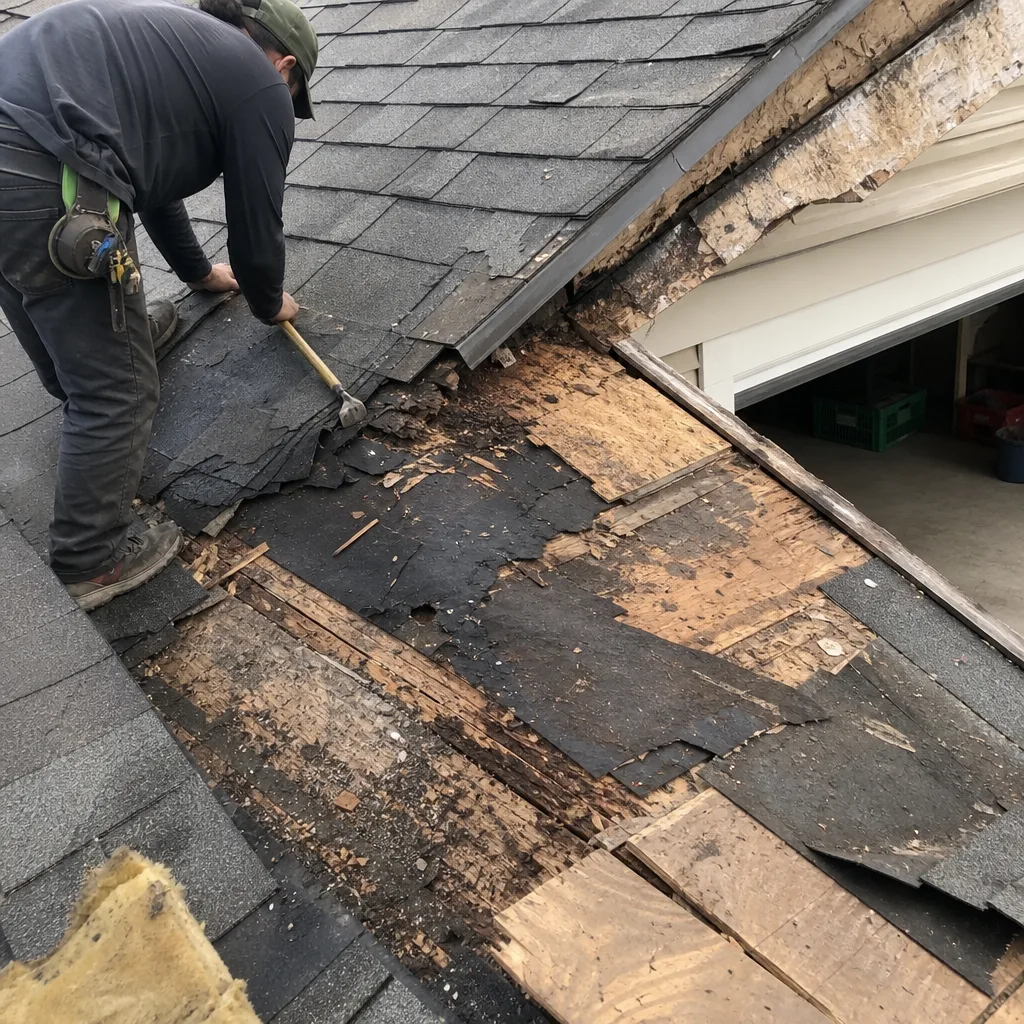 Before
 After
When to Call a Professional
Certain situations should never be handled by a homeowner. If water is actively entering your home, call a roofer that day. If you see daylight through your roof boards from inside the attic, call a roofer that day. If a major storm has passed through Murrieta and you see shingles or tile in your yard, a professional assessment is needed before water intrusion causes structural damage.
Beyond emergencies, call a professional when you’re at a decision point. A 15-year-old roof with visible wear deserves a professional inspection before it leaks. A home you’re buying needs a roof inspection during escrow. A home you’re selling benefits from knowing the roof’s condition before the buyer’s inspector finds it first. In every case, the sooner a roofing specialist looks, the cheaper the resolution. Rosewood Roof Repair offers free estimates in Murrieta. Call (844) 900-4167 to schedule yours.
Frequently Asked Questions
Concrete tile roofs in Murrieta typically last 40 to 50 years at the tile level, though underlayment beneath typically needs replacement at 20 to 25 years. Composition shingle roofs in Murrieta’s inland heat typically last 15 to 25 years in real-world conditions, even when the product carries a 30-year or lifetime rating. Actual lifespan depends on sun exposure, ventilation, and installation quality. Call (844) 900-4167 for an assessment of your specific roof.
Full composition shingle replacements in Murrieta typically run $12,000 to $22,000 for an average home, while concrete tile replacements run $25,000 to $45,000 depending on size, pitch, and material selection. A tile lift-and-relay with new underlayment typically runs $9,000 to $18,000. Exact pricing requires an on-site inspection. Estimates from Rosewood Roof Repair are free.
Concrete tile performs best overall in Murrieta because it resists UV degradation and handles thermal cycling well, provided the underlayment beneath is in good condition. Premium architectural composition shingles from brands like Owens Corning or Atlas are a strong value choice for homeowners planning to stay 15-plus years. Cool-roof coatings and materials reduce attic heat and cooling costs. The right choice depends on your home’s exposure, roof pitch, and budget.
No. Murrieta’s winter rains come in concentrated bursts, and a small leak can become structural water damage after a single storm. A leak that starts in November and waits until April has five months to rot decking, damage insulation, and create mold conditions inside walls. Repairs in early fall cost a fraction of what emergency repairs cost mid-storm. Call (844) 900-4167 now to get ahead of the next rain.
Yes. Roof Inspection in Murrieta for real estate transactions is a core service. We provide written condition reports that buyers, sellers, and escrow officers can use to negotiate. Inspections include attic access, moisture readings, surface condition assessment, and photographic documentation.
Yes. Full roof replacements in Murrieta require city permits, and we handle the permit process as part of our replacement scope. Permits ensure the work is inspected by the city at completion, which protects you as the homeowner and helps at resale. Any contractor suggesting a replacement without permits is putting you at risk.
The Bottom Line
Roofing in Murrieta isn’t the same as roofing in coastal California, and treating it like it is costs homeowners years of roof life. Inland UV, thermal cycling, and seasonal rain patterns create specific demands that call for material choices, inspection schedules, and repair timing calibrated to this valley’s climate. The right contractor is a roofing specialist with access to multiple material brands, not someone selling a single line with a single warranty. From inspection to replacement, one specialist handles it all. Seven brands, one company, your call. If your roof is at a decision point, start with a free estimate from a Murrieta roofing company that only does roofing.
Call (844) 900-4167 to schedule your free estimate, or visit our Rosewood Roof Repair home page to learn more about how we work.
Written by the team at Rosewood Roof Repair, serving Murrieta since 2014.